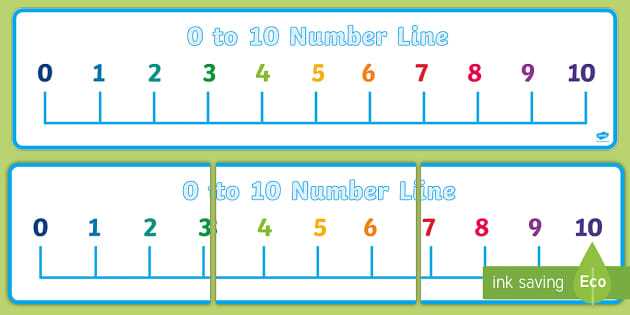
Using a visual scale with numbers from 1 to 10 is a straightforward way to help young learners grasp basic counting and order. For beginners, a visual guide where each number is placed in a linear progression allows them to understand the relationship between sequential digits. This tool is ideal for reinforcing simple arithmetic concepts, such as identifying numbers and counting up or down.
Start with a simple, easy-to-follow chart that clearly marks each digit. This helps children or anyone new to number sequencing to easily identify each value. By placing the numbers in a horizontal or vertical arrangement, learners can trace and count without confusion. A clear font or large, bold numbers can enhance visibility for better comprehension.
Incorporate hands-on activities with the scale. Encourage learners to use objects, such as blocks or buttons, to place them on the numbers, showing real-world application. This reinforces the concept of size and order by pairing physical items with abstract symbols, making learning both fun and interactive.
For additional reinforcement, consider using a similar tool for higher ranges, which builds confidence in progressing beyond 10. Start small, but gradually challenge users to count and understand larger sets as they become more comfortable. Consistent practice with a clear visual reference ensures faster recognition and mastery of numbers.
Easy-to-Use Visual for Counting 1-10
For young learners, having a clear, easy-to-read chart showing the numbers from 1 to 10 can make all the difference in building early math skills. Create a simple, horizontal chart with each integer spaced evenly across the page. This layout helps kids recognize the sequence and begin understanding numerical relationships without feeling overwhelmed.
Use large, bold numerals that are easy to trace. Depending on the age group, you might want to leave extra space between each figure, allowing room for hands-on interaction like writing or placing objects next to the digits for counting practice.
Incorporate visuals such as small items like apples, stars, or blocks alongside each number. This provides a tangible way for students to connect the abstract concept of counting with real-world examples. Such details support cognitive growth and make the learning process more engaging.
A simple variation could involve incorporating arrows pointing forward or backward, allowing students to visualize the progression from one to the next or practice skip counting by twos, threes, or other increments. This method offers an engaging way to transition from basic recognition to more advanced skills.
Finally, make the material easy to access by printing it in a format that can be placed on the wall or carried around in a learning binder. Having these visuals readily available throughout the day helps reinforce numerical concepts through repeated exposure in various contexts.
How to Create a Printable Number Line for Kids
Begin by drawing a straight horizontal segment on a piece of paper. Mark clear tick marks at equal distances, starting with 1 on the left side and finishing with 10 on the right. Ensure the space between each marker is consistent to allow easy understanding. Use bold, large numbers to label each marker, making them easily visible for children. For better clarity, add small circles or squares around each number to highlight their importance.
To make the visual more engaging, incorporate simple illustrations like small animals or objects under each number. This can help kids associate each value with a familiar image, which enhances their learning experience. Make sure the overall design is neat, with enough space between markers to avoid confusion. Once finished, print the design and laminate it for durability, so it can be reused in future lessons.