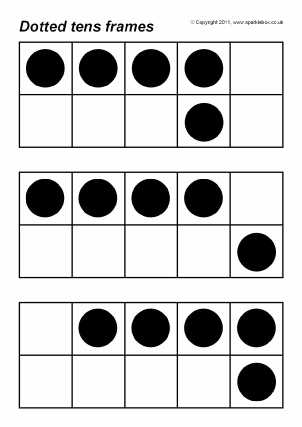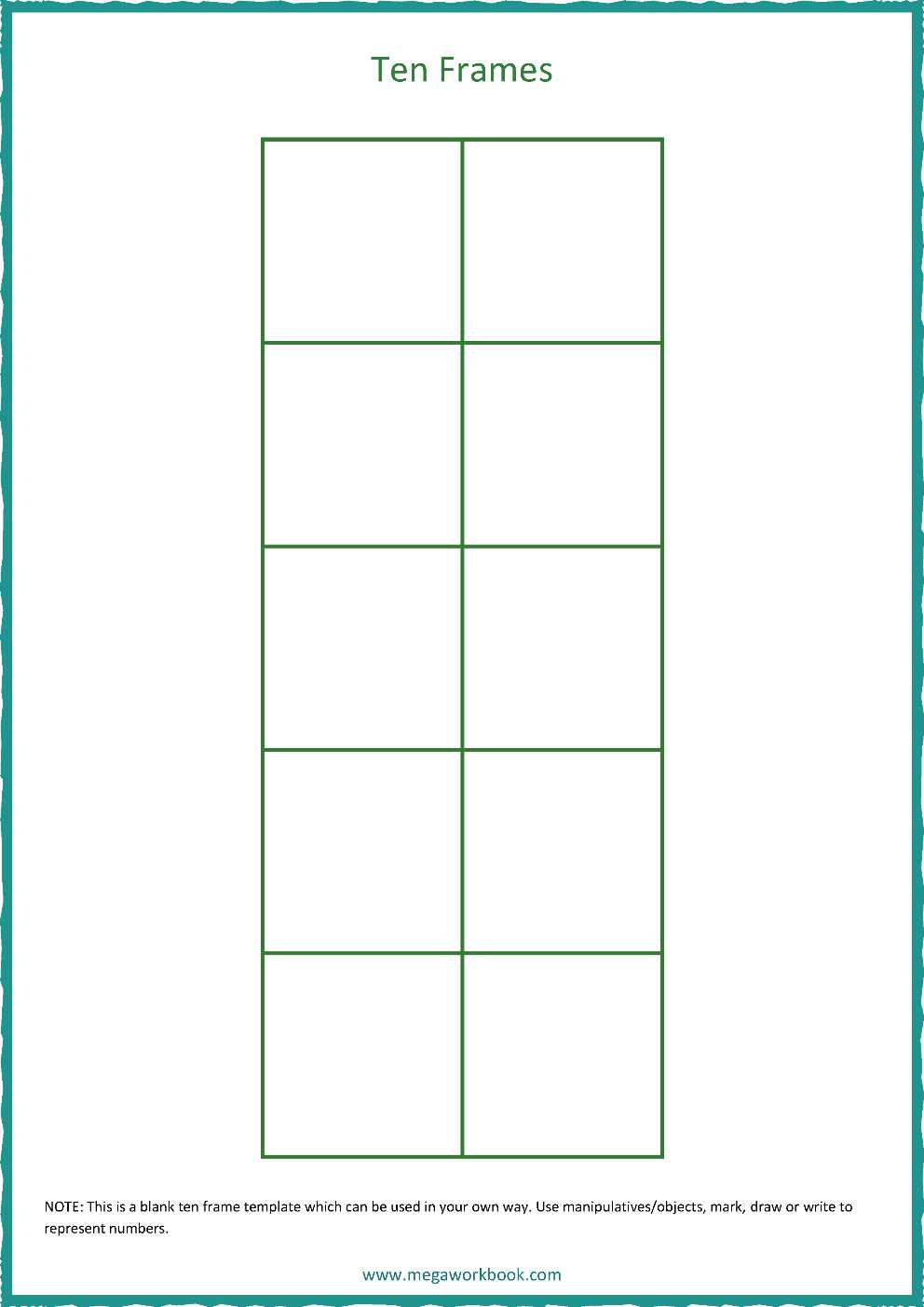
One of the most effective ways to teach young children basic counting and number recognition is by using visual aids like number grids. These tools help students connect abstract concepts with something concrete and easy to understand. Begin by introducing a simple chart divided into ten squares where children can place markers, such as counters or stickers, to represent different numbers.
When planning activities around these grids, make sure to include games that promote counting forward and backward. For example, place a certain number of objects in the squares and ask the child to count them aloud. As they add or remove items, they’ll practice number sequencing, reinforcing their understanding of numerals and quantities.
There are many free resources available to download these tools, making them accessible to parents and teachers alike. Whether printed on paper or used on digital devices, these charts provide a hands-on method for engaging students in early math activities. A wide variety of designs are available, with options to suit different learning needs and styles.
Incorporate these grids into daily activities by encouraging children to use them when solving simple math problems. As they progress, they’ll begin to understand the relationship between numbers and quantities, which is foundational for more advanced mathematical concepts later on.
10 Frames Printable Templates for Early Math Learning
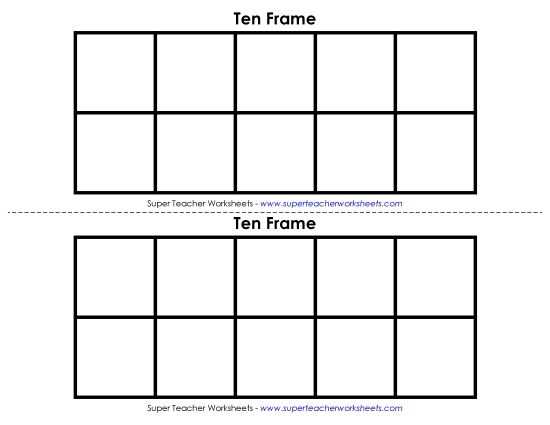
To help children grasp the concept of numbers, utilize grids that allow them to visualize quantities. These visual aids are structured with ten boxes, making them perfect for early counting exercises. Start by introducing one object in each box to reinforce the connection between numbers and quantities.
To practice number recognition, have children place counters or stickers inside each box. Begin with small numbers, gradually increasing as the child becomes more confident. By counting the items one by one, they will develop a solid understanding of how numbers correspond to actual quantities.
For a more interactive experience, let children use colored markers to color the boxes based on different criteria. For instance, color all boxes representing even numbers one color and odd numbers another. This simple approach helps children learn to distinguish between even and odd numbers in a hands-on way.
In addition to basic counting, you can extend the activity to simple addition and subtraction. Ask children to add or remove objects from the boxes and then recount them to see how the number changes. This exercise not only improves counting skills but also introduces them to the fundamentals of arithmetic.
These templates can be printed in different formats to meet the needs of different learners. Some versions might have empty spaces for children to fill in on their own, while others provide pre-filled boxes to simply count and reinforce the concept. The versatility of these templates ensures they can be adapted to suit various teaching goals.
With regular practice, children will gain fluency in counting, number recognition, and even simple operations. The hands-on nature of these templates keeps children engaged and provides a visual representation that enhances their understanding of numerical concepts. This method sets a strong foundation for future math skills development.
How to Use 10 Frames for Teaching Number Recognition
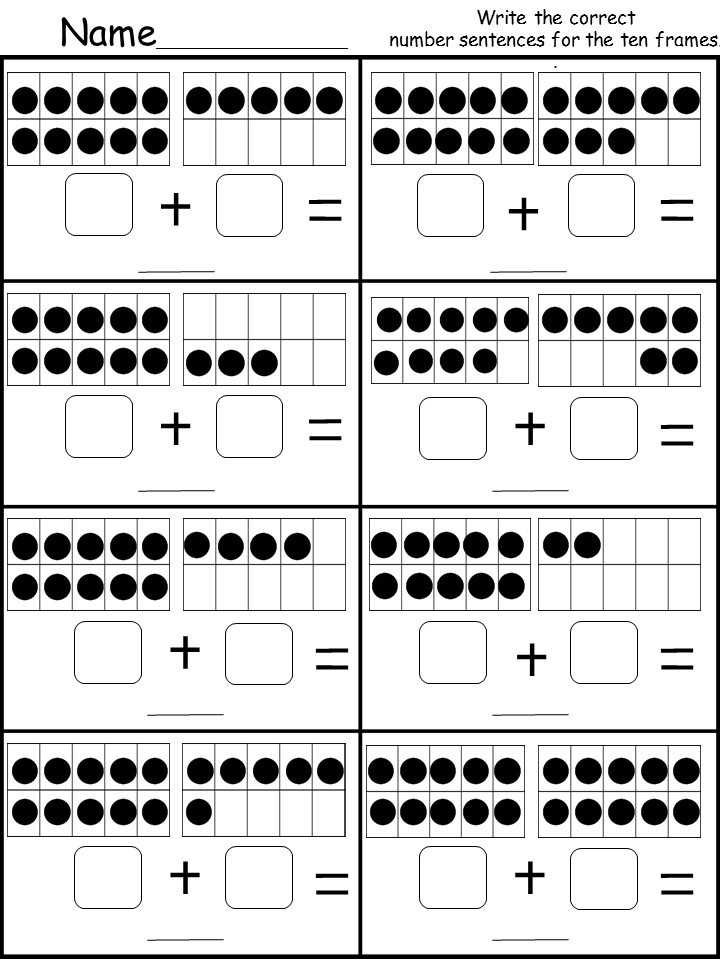
Begin by introducing the visual structure of the grid. Use it to represent numbers from 1 to 10, ensuring the child understands that each space within the grid corresponds to one unit. Start with small quantities and gradually increase as they become more familiar with the layout.
To reinforce recognition, place objects or counters inside the boxes, one by one. As you count the objects aloud, encourage the child to point at each item and say the corresponding number. This method solidifies the connection between the numeral and its value.
Use color-coding to make learning more engaging. For example, color all boxes representing even numbers in one color and odd numbers in another. This strategy visually reinforces the difference between even and odd numbers, making it easier for children to distinguish between the two.
Move beyond just counting by incorporating number sequencing. Ask the child to arrange the boxes in numerical order or place objects inside the boxes following a given sequence, such as “3, 5, 7.” This enhances their ability to recognize number patterns and order.
For an added challenge, encourage the child to fill in the grid with their own numbers. Start by filling in one box, then ask them to continue adding objects to the remaining spaces. This independent activity boosts their confidence and encourages problem-solving skills.
After practicing with numbers 1 through 10, extend the exercise by introducing simple addition and subtraction. Have the child add or remove objects from the grid and recount the total. This introduces them to early arithmetic while reinforcing number recognition.
Finally, incorporate activities that require the child to recognize numbers without the help of objects. For example, you can call out a number, and the child must fill in the corresponding number of boxes on their own. This helps them visualize numbers in abstract forms and prepares them for more complex math concepts later on.