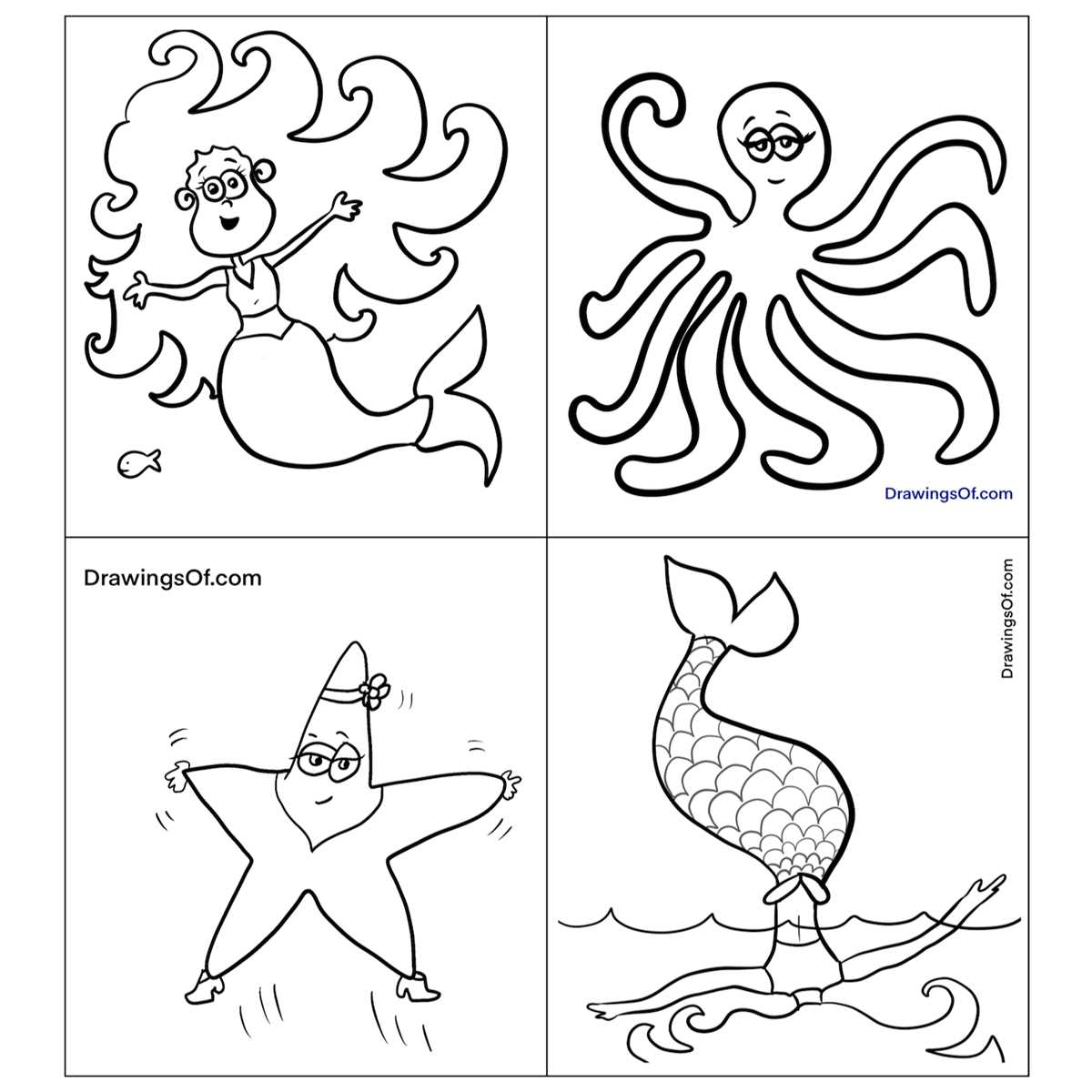
Start by selecting high-quality templates that capture intricate underwater scenes, such as mythical creatures and aquatic elements. These designs can be printed on various paper types to suit your artistic style. Choose thicker paper if you plan to use markers or paints to ensure better results and prevent any bleeding through.
To achieve a more engaging crafting experience, opt for designs that have detailed features. The addition of flowing hair, scales, and other patterns enhances the creativity of the activity. You can also adjust the size of the images to fit the frame or project you’re working on.
For added creativity, consider pairing these designs with other materials like glitter, sequins, or watercolors. These textures will bring the figures to life, making the overall project stand out. Experiment with different combinations of mediums to create a unique, personalized masterpiece.
Mermaid Pages Guide
Choose designs with varied levels of detail depending on the age and skill of the person doing the artwork. For younger children, select simpler illustrations with larger areas to fill in, while older children or adults may enjoy more intricate drawings featuring small details like scales or underwater scenery.
Make sure to use high-quality materials for your projects. Choose paper types that can handle your medium of choice. If using markers or paint, opt for thicker, heavier paper to prevent bleeding. For colored pencils, regular printer paper works well.
To enhance the experience, consider mixing colors and textures. Using markers, crayons, and colored pencils together can create beautiful depth and contrast in your work. Also, try experimenting with metallic or glitter pens to add a bit of sparkle to the fins, tails, or background elements.
For a fun and interactive project, add backgrounds to the designs. Draw underwater elements like seaweed, fish, or bubbles around the characters. This not only enhances the scene but also allows for greater creativity and storytelling.
If you’re looking to make your project more dynamic, consider using different mediums for different parts of the design. For instance, use watercolor for the background and colored pencils for the main character, giving a contrast of textures. This can make the finished piece look more interesting.
In addition to basic color choices, consider experimenting with shading and highlighting. Use darker shades around the edges to give depth and lighter shades to highlight certain areas. This technique helps bring the illustration to life and makes it appear more three-dimensional.
Once you finish the artwork, think about framing your creation or incorporating it into larger projects. These illustrations can be part of greeting cards, decorations, or even scrapbooks. Use your creativity to bring your designs into real-world applications.
Lastly, if you want to share your work with others, consider scanning and sharing digital copies. This allows others to enjoy the creations, and you can print additional copies for other projects or to gift to friends and family.
How to Print Pages for Art Projects at Home
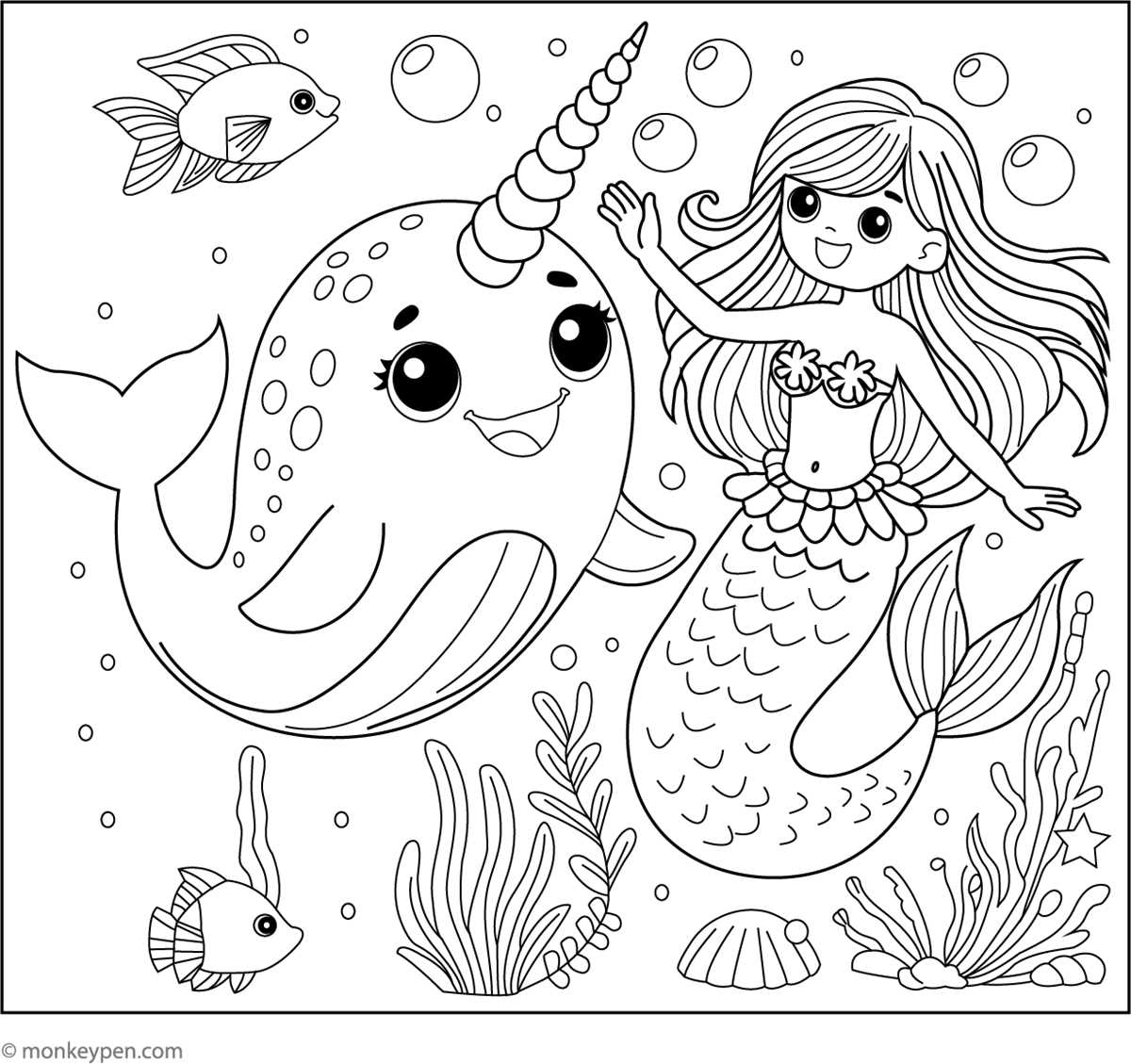
To print designs at home, start by selecting the file type you need. Ensure that the design is high-resolution (at least 300 DPI) for clear, crisp lines. Open the file in a program like Adobe Reader or any image viewer, and choose the “Print” option. Adjust the paper size in your print settings to match the dimensions of your design.
Before pressing “Print,” check your printer’s settings for color options. If you’re using colored pencils or markers, printing in black and white may work best. For a vibrant look, choose color printing. Make sure the printer is loaded with quality paper to avoid ink bleeding or paper jams. Once everything is set, hit print and enjoy your ready-to-color designs.