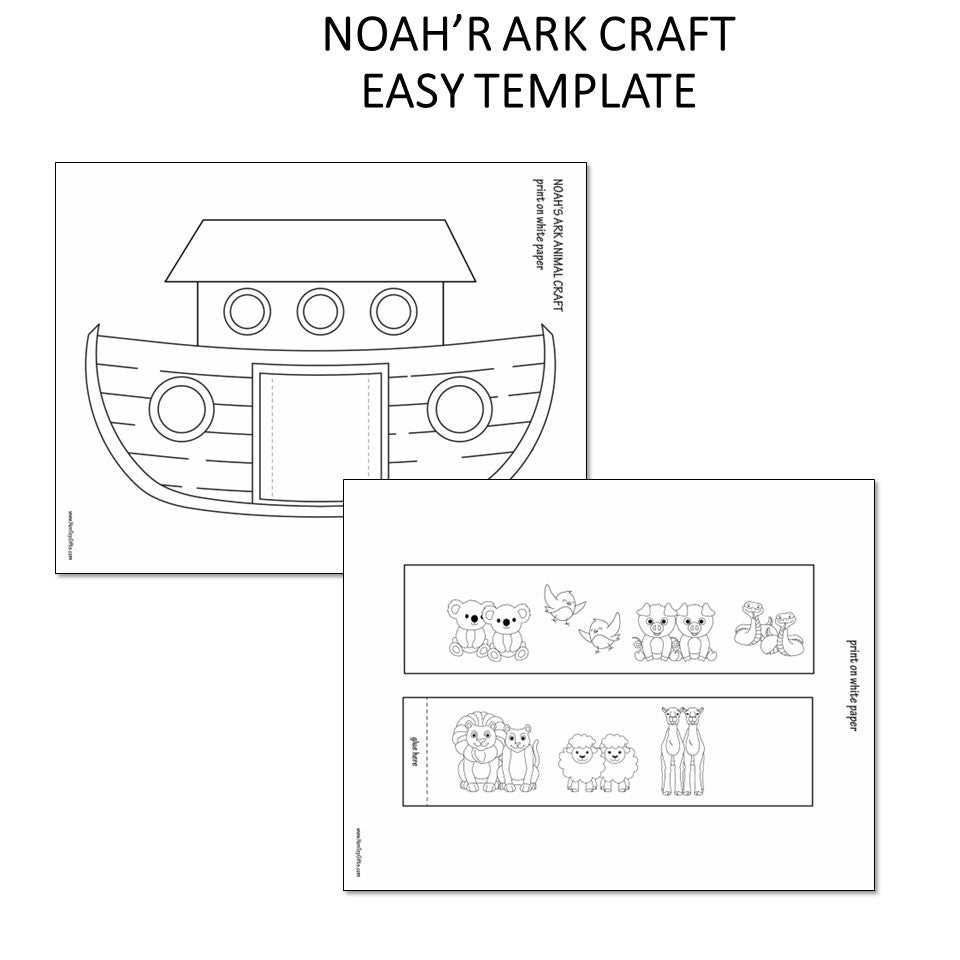
Looking for a fun and interactive activity for young learners? This engaging animal pairing project lets children connect pairs of animals with simple, hands-on tasks that build both creativity and fine motor skills. Using printed sheets, children can cut out different animal shapes and attach them together, creating pairs like lions with lions or elephants with elephants. This hands-on method helps develop visual recognition and motor coordination.
By providing kids with clear, easy-to-follow animal patterns, you can guide them through creating scenes where animals stay together. The activity promotes learning while offering a relaxed atmosphere for creativity. It also fosters teamwork as children can pair up and collaborate to cut, color, and assemble their creations.
For added fun, consider introducing animal facts during the activity. You can make the experience educational by explaining where these animals live or what they eat, turning it into both a creative and informative session. Not only do children get the chance to explore animal pairs, but they also get to learn about the diversity of wildlife around the world.
Designing a Fun Animal Boat Model for Kids
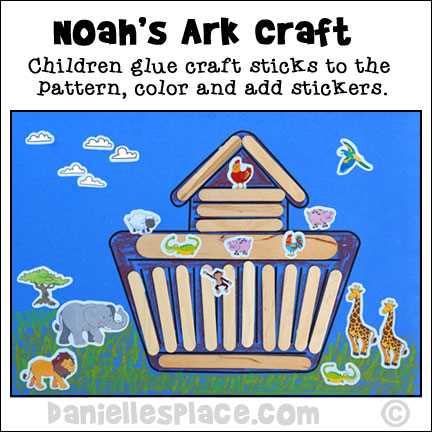
Start by selecting a template with easy-to-cut outlines of animals and a boat structure. Ensure that the shapes are simple enough for children to cut out without too much assistance. Using brightly colored paper or card stock enhances the appeal of the activity.
Once you have the pieces cut out, glue them onto a large sheet of sturdy paper or cardboard to create the boat. Choose a neutral color for the base to allow the animals to stand out, such as beige or light blue.
Next, encourage kids to color the animals. Provide a wide range of coloring materials, including markers, crayons, or watercolor paints. This allows each child to personalize the figures, adding details like patterns or spots to the animals.
For added fun, you can give children the option to create backgrounds. Draw clouds, a rainbow, or simple waves below the boat to make the scene more dynamic. You can also include simple trees or mountains to represent the environment.
After coloring, assemble the animals onto the boat. The goal is to place pairs of animals, allowing kids to count as they go along. This makes the activity both educational and entertaining.
To help make the project more interactive, consider including small movable parts. For example, you can attach the boat’s deck using a brad fastener, so kids can rotate it or open and close it, adding a tactile element to the experience.
Once everything is glued, the scene is ready for display. Hang it on the wall or place it on a table to showcase the finished models. Kids will feel proud of their creations, which also serve as a great learning tool about animals and teamwork.
How to Create a Simple Template for Kids
Choose a basic structure for the design. A large rectangle can represent the base, with a simple curved top to mimic a boat’s shape. This helps younger children focus on the key elements without getting distracted by too much detail.
For the animals, draw clear outlines of a few pairs, keeping the shapes simple–rounded bodies and basic facial features. Include enough space between each animal for easy cutting. Consider using large eyes and minimal detailing for younger hands to color and cut around.
Make the template engaging by adding a few nature elements like a rainbow or clouds. These can be drawn with smooth lines, giving the child a chance to color in sections without overwhelming them with intricate patterns.
If you want the structure to stand out, add a few straight lines for the floorboards of the vessel. These should be parallel, wide enough for the child to paint or color them without stress. Keep the overall look light and welcoming for kids to engage with.
For simplicity, avoid too many sharp edges in the drawing. Soft, flowing shapes will make the template more approachable. This also keeps the lines easy to follow, encouraging kids to work on their hand-eye coordination.
Lastly, print the template on sturdy paper. This ensures that the pieces hold up well during play or as a decor piece after it’s been colored. Let children use their favorite crayons or markers to fill in the design.