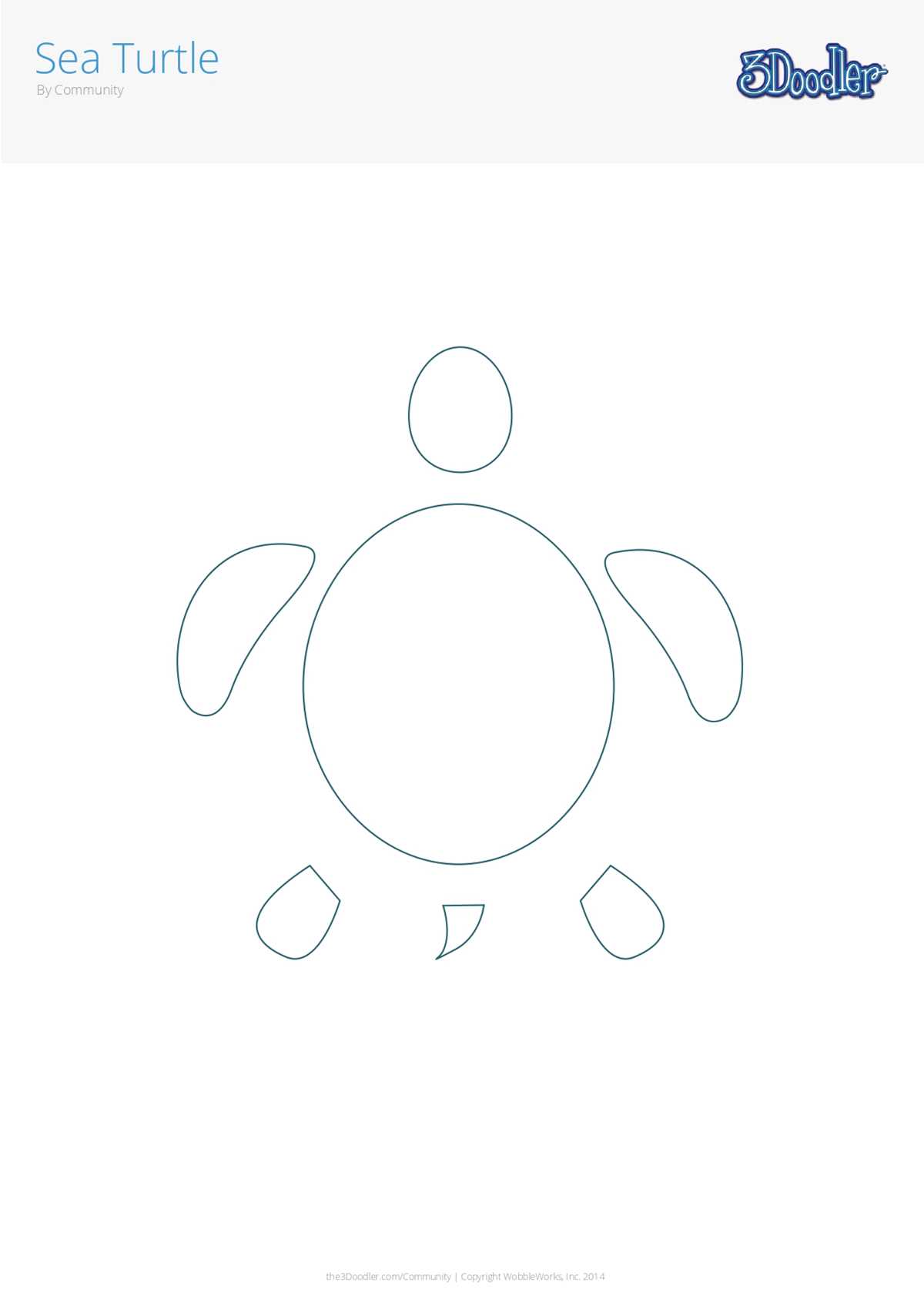
To begin creating with your 3D drawing tool, start by selecting a design or pattern that suits your needs. These designs serve as guides to shape your artwork, helping you stay within the lines while building detailed objects. For effective results, choose designs with clear outlines and defined shapes. This will make the drawing process easier and ensure your final creation looks professional.
When preparing to use your 3D drawing tool, it’s important to ensure you have a sturdy, smooth surface for the artwork. A well-defined template will allow you to trace the outlines easily and build the structure layer by layer. If the design requires precision, consider printing on thicker paper or light cardstock to ensure stability while you work.
Make sure to gather all necessary materials, including the drawing tool, filament, and a reliable template. Having everything prepared beforehand minimizes frustration and allows you to focus on your creative process. Once you’ve selected a design, follow each step slowly, starting with the outer shapes before gradually filling in the finer details.
3D Drawing Templates for Creative Projects
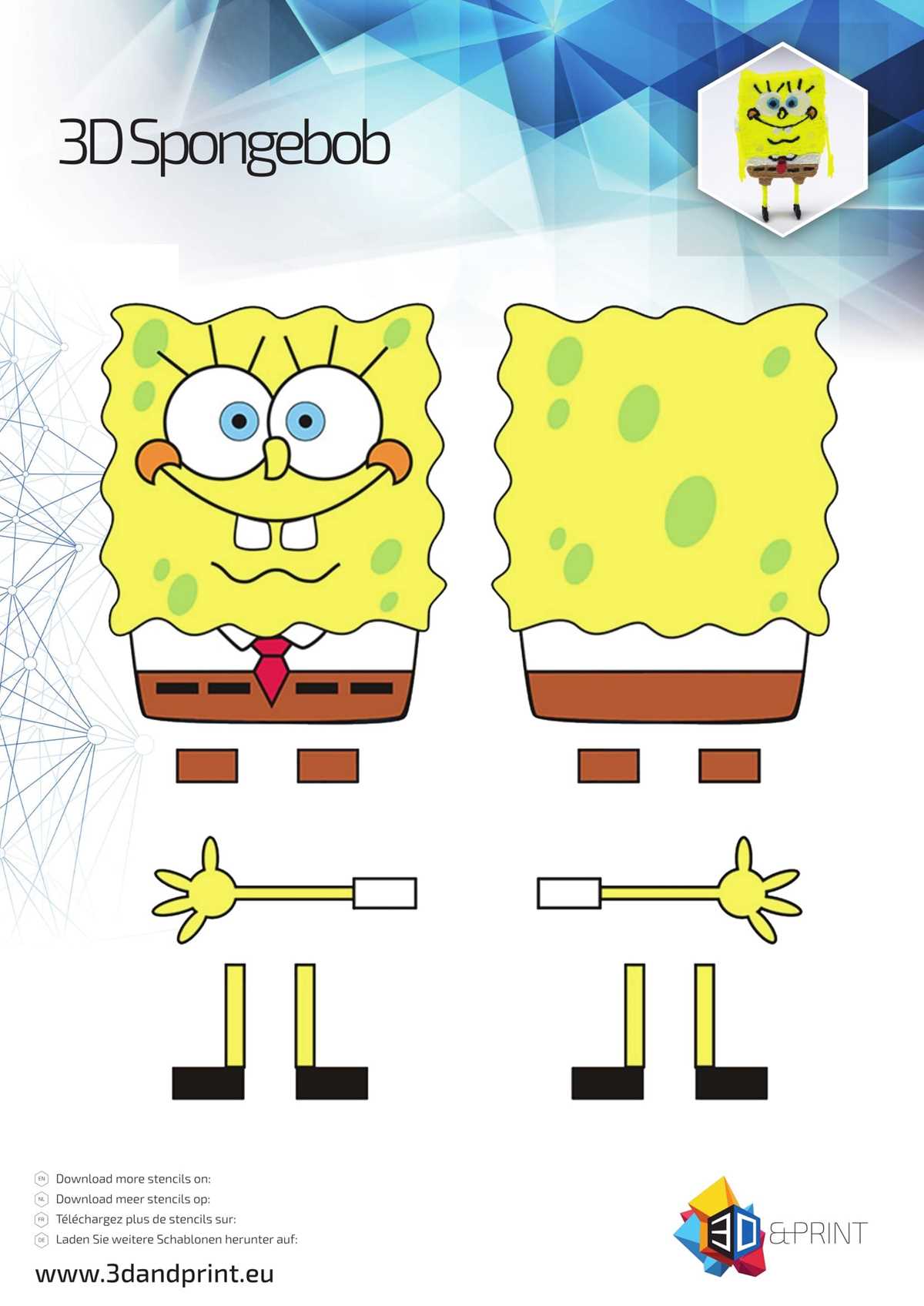
To achieve precision when creating designs, start by choosing a guide that reflects the complexity of the structure you wish to build. Simple geometric figures, such as squares and circles, are great for beginners. These basic forms provide the necessary framework for more intricate designs, ensuring that the lines and shapes come together smoothly as you layer the material.
If you’re looking to craft more complex models, opt for designs with detailed outlines and clear separations. Objects like flowers or animals require templates that define every curve and feature. This clarity helps you track your progress and build shapes with accuracy. Having a clear reference minimizes mistakes and ensures consistency across your work.
Another tip is to adjust the size of the design based on the project’s scope. Smaller figures, such as keychains or mini sculptures, are ideal for quick, simple designs. Larger creations, such as architectural models or large-scale decorations, require larger templates to ensure every element aligns perfectly. Always scale the design to your project’s needs.
When using your 3D drawing tool, ensure that the template you choose corresponds with the level of detail you want to achieve. If you’re working on a layered piece, consider the template’s ability to guide you through the step-by-step process. Having distinct sections helps break down the task, allowing you to focus on one aspect at a time without becoming overwhelmed.
Lastly, remember to use the right material for the task. While many templates work well with standard filaments, more intricate designs may require specialized materials like flexible filament or glow-in-the-dark options. This adaptability allows you to push the boundaries of your creativity while ensuring your creation is both visually striking and durable.
How to Choose the Right Template for Your 3D Drawing Project
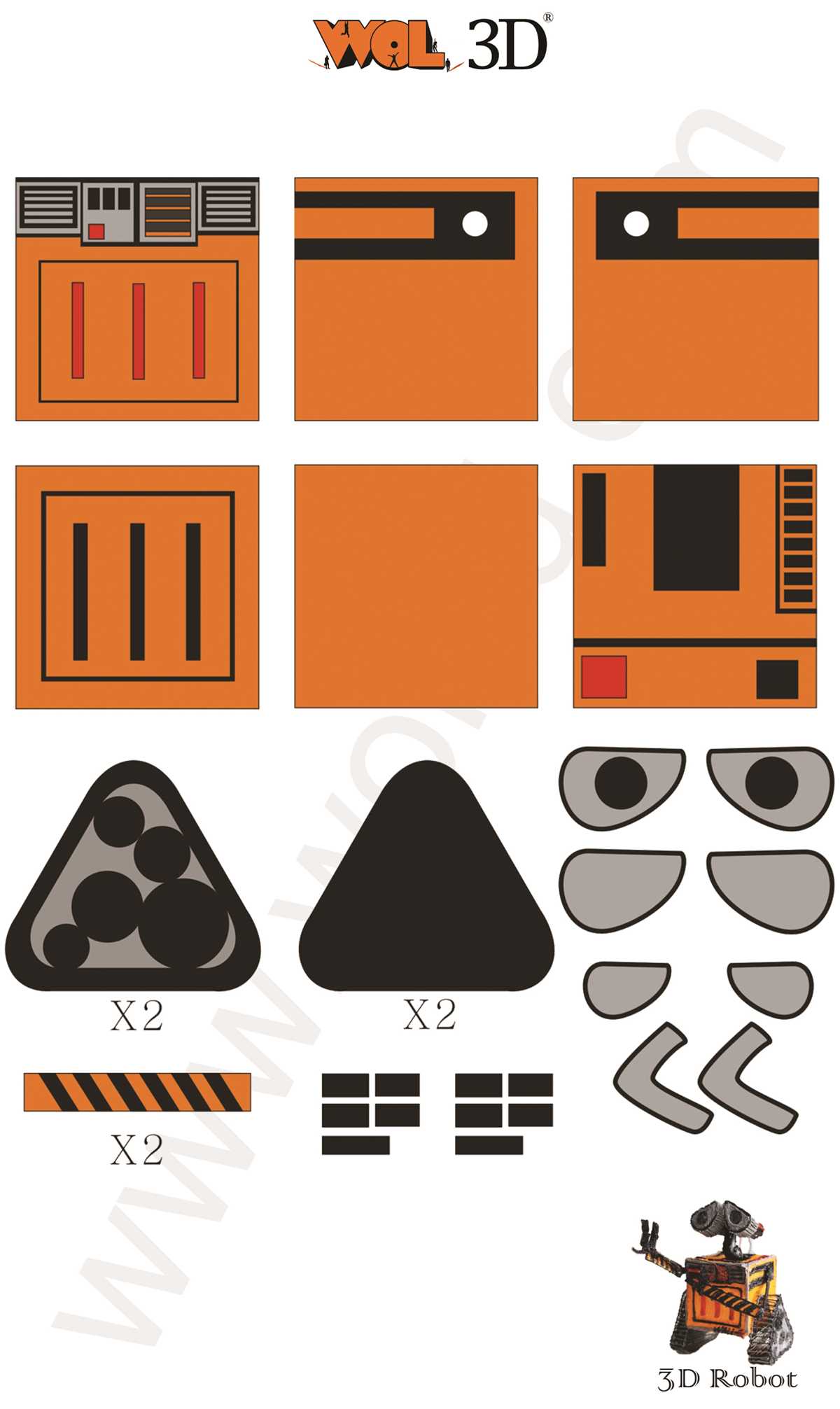
First, assess the complexity of the object you want to create. For beginners, opt for simple designs like geometric shapes or basic objects, such as cubes and spheres. These types of patterns offer clear guidelines that help you build a strong foundation before tackling more intricate models.
Consider the size of your project. Smaller models, like figurines or trinkets, require templates with fewer details, while larger designs, such as architectural structures or large sculptures, benefit from templates that provide more specific lines and guidance to ensure proper alignment and dimension.
If you are working on a detailed object, select a reference with well-defined features. Templates with intricate curves and sharp angles will guide you to achieve a high level of accuracy, especially in projects like animals, flowers, or buildings where precision is key. Look for designs that break down the structure into manageable parts.
Pay attention to the scale of your design. Many projects can be resized to suit your needs, but scaling down or enlarging can affect the overall appearance and stability. Make sure the template you choose is compatible with the desired final size of your creation to avoid distortion or difficulty in assembly.
Think about the material you’ll use. Some designs may require specific filaments for flexibility or strength, such as soft or transparent filaments for special effects. Ensure that the chosen pattern is suitable for the material you’re working with to get the best outcome for your project.
Finally, choose a template that matches your skill level. If you’re new to 3D drawing, start with templates that are easy to follow and don’t overwhelm you with unnecessary details. As your skills progress, move on to more complex patterns to push your creativity and technique further.