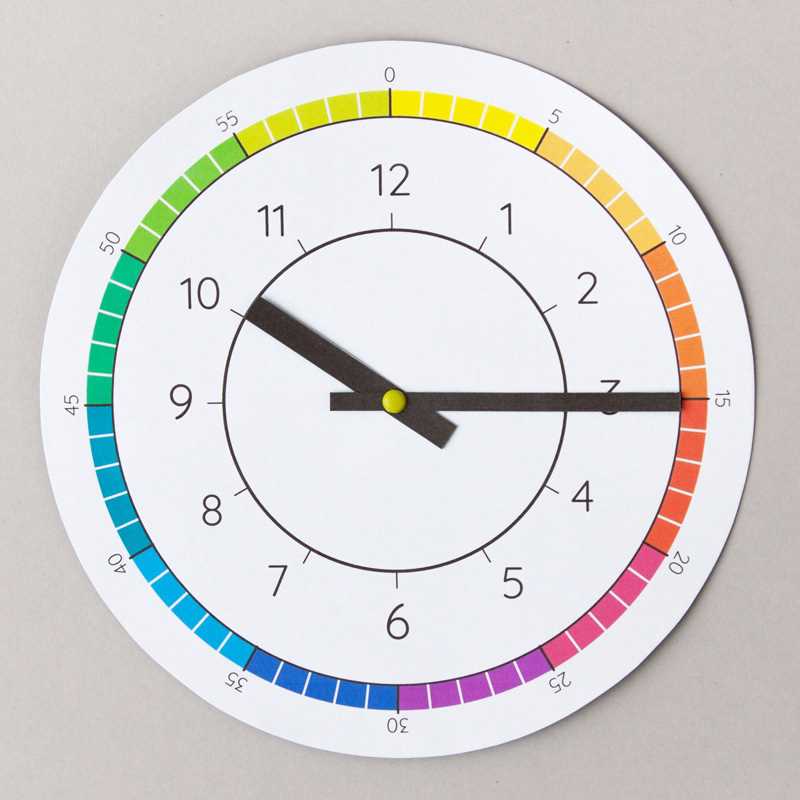
One of the best ways to help children or beginners grasp the concept of time is by using a visual aid that allows them to interact with the numbers and hands. A basic resource for this purpose is an easy-to-understand, customizable resource that features the key elements of a traditional timepiece. This can be printed and used as a hands-on learning tool.
To get started, download or print a design that includes numbered sections and areas where hands can be placed. Choose a design that allows for clear markers of both the hour and minute, making it easier to show the correlation between time segments. This can be an interactive learning experience for both young students and anyone interested in enhancing their time management skills.
Once you have the right resource, it’s important to engage in regular practice. Use it to show how the positions of the hands change as time progresses, and encourage practice with exercises like setting specific times or answering what time is shown. This not only builds time awareness but also improves memory retention in relation to this key skill.
Using a Time-Telling Resource for Education
One of the most practical ways to teach time to children is by providing them with an interactive resource. This can help them understand the concept of hours and minutes, and the correlation between the numbers and the movement of the hands. It is highly recommended to use an activity sheet that allows students to move the hands of the clock for hands-on learning.
Choose a sheet that includes both digital and analog representations, making it easier for learners to transition between different ways of telling time. This can provide a more comprehensive understanding as students will be able to compare the visual aspects of the two formats.
These activities can be used to show how different times correspond to each other. For instance, drawing attention to the hour hand’s position when it points to different numbers and explaining what that means in terms of real time.
To make the process even more engaging, you can have students practice with a set of tasks that require them to set the time for different scenarios. For example, “What time would it be if the big hand pointed to 12 and the small hand pointed to 3?” This helps reinforce the connection between the visual appearance of time and the actual understanding of time intervals.
After providing the basic tools, encourage learners to practice setting the hands on their own. Give them specific times to set and ask questions like, “What time is shown when the big hand is at 6 and the small hand is at 2?” This will help them become more confident in telling time.
As they gain familiarity, introduce more complex exercises such as “quarter past,” “half past,” and “quarter to” times. This builds on their foundational knowledge and challenges them to recognize smaller divisions of time.
Remember to regularly review and reinforce time-telling skills, using these resources in combination with verbal and written exercises. This approach will help learners retain information and apply their new skills in real-world situations, such as planning daily activities or following schedules.
How to Use a Time-Telling Resource for Teaching
To teach students how to read time, start by selecting a visual aid that clearly shows the hours and minutes. A resource with clearly marked numbers and hands can be very effective. Use it to introduce the basic concepts of time, such as the distinction between the short hand and the long hand. Demonstrate how the hands move and explain what each position represents.
Next, incorporate interactive exercises. Ask students to set the hands on a specific time and then check their answers. Encourage students to describe the time they have set and explain how they arrived at their conclusion. This hands-on practice will help reinforce the learning process.
As students become more confident with basic times, move on to more complex time-related tasks. Incorporate exercises that involve intervals like “quarter past” or “half past.” This will help them understand how minutes fit within the hour, and how they can read more detailed time representations.