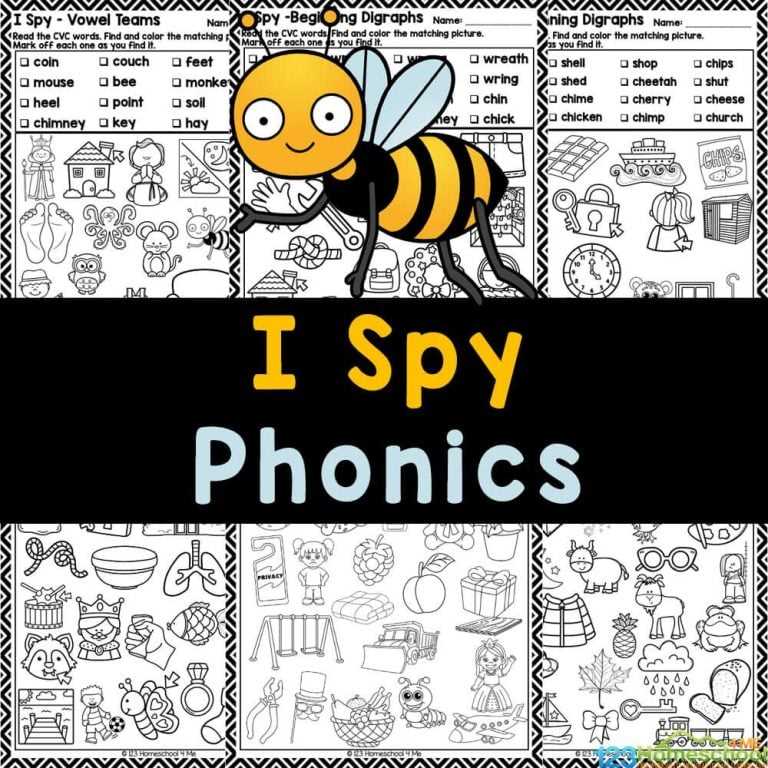
Select structured letter–sound activity sheets that isolate one decoding pattern per page and limit the total task count to 6–10 short exercises. For learners aged 4–5, use large lowercase and uppercase letter models (minimum 20 pt font), dotted tracing lines, and three-image sound matching tasks per row. For ages 6–7, add consonant blends, digraph pairs such as sh, ch, th, and controlled short reading lines capped at 25–30 words per page. Keep margins wide and spacing between answer lines at least 1.5 cm to support handwriting clarity.
Sequence decoding patterns logically: single consonants, short vowels, consonant–vowel–consonant words, then long vowel teams like ai, ea, and oa. Limit new spelling elements to two per sheet and reinforce them through three formats: sound identification, word construction with letter tiles, and sentence completion. Use black-and-white layouts with simple line drawings to lower ink usage and reduce visual distraction. Provide concise task directions under 15 words and position the answer key separately to allow self-checking. Track weekly accuracy percentages and introduce new grapheme patterns only after learners reach at least 85% correct responses across two consecutive practice pages.
Phonics Worksheet Printable for Structured Early Reading Practice
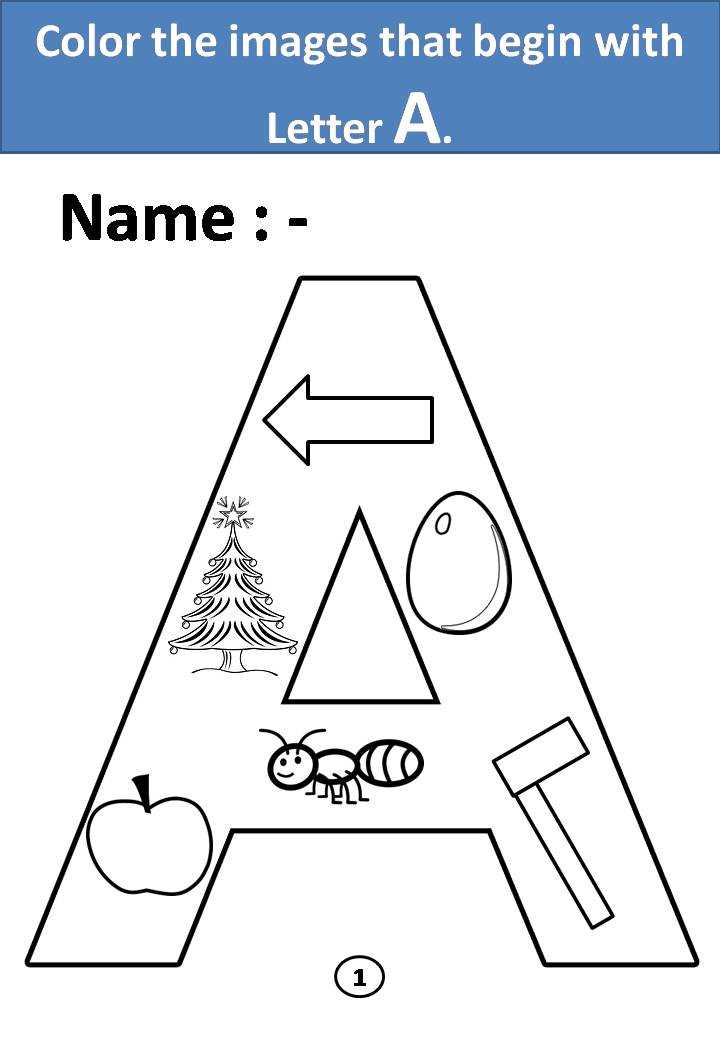
Use decodable reading sheets built around a fixed sound sequence (for example: /m/, /a/, /s/, /t/, /p/, /i/, /n/) and limit each page to 4–6 target graphemes to prevent overload. Arrange tasks in a predictable order: sound isolation, blending three-phoneme words, segmenting into boxes, then short sentence reading with controlled vocabulary. Keep word lists to 8–12 items per page and repeat each target pattern at least five times to secure retention.
Design each activity page with a clear visual grid: left column for single-sound drills, center for CVC blending, right for dictated spelling. Use 14–16 pt sans-serif fonts for early learners and maintain high contrast (black text on white background) to reduce visual strain. Include two lines for handwriting practice under each word so learners connect decoding with encoding.
Sequence tasks across a weekly packet: Day 1–short vowel /a/ with consonant-vowel-consonant forms (map, sat, tap); Day 2–contrast /a/ and /i/ (sat vs. sit); Day 3–introduce simple digraphs such as “sh” and “ch”; Day 4–mixed review of 20 cumulative words; Day 5–dictation of five short sentences using only previously taught spellings. Avoid introducing irregular high-frequency words until at least 80% accuracy is reached on controlled patterns.
Track accuracy with a simple scoring strip at the bottom of each sheet: blending (10 points), segmenting (10 points), spelling (10 points), sentence reading fluency (words per minute). Set a benchmark of 90% correct responses across two consecutive sessions before advancing to new grapheme-phoneme correspondences. For learners below benchmark, repeat the same pattern with new word combinations rather than adding unfamiliar spellings.
Incorporate minimal illustrations and avoid decorative backgrounds that distract from grapheme recognition. Use consistent icons–for example, an ear symbol for listening tasks and a pencil for spelling–to cue task type without extra text. Keep total completion time per page between 15 and 20 minutes to maintain focus and allow space for guided correction.
Provide cumulative review every third packet by recycling at least 60% previously taught sound patterns. Mix real words and simple pseudo-words to confirm decoding rather than memorization. Structured, sequential reading sheets built on controlled vocabulary and measurable progress markers create a stable framework for early literacy growth.
How to Select Phonics Worksheet Printables by Skill Level Letter-Sound Focus and Reading Stage
Choose reading practice sheets according to the learner’s current decoding ability, not by age or grade label. If a child can accurately identify 18–26 uppercase and lowercase symbols but struggles to connect them to sounds, select activities limited to 3–5 target graphemes per page with picture cues and tracing lines. If the learner blends three sounds orally without visual prompts, move to short CVC decoding drills with 6–10 items per row and no more than two new sound patterns per set.
Match the letter–sound focus to measurable skills. Use the following alignment as a filter before downloading or printing any literacy packet:
- Letter recognition stage: single-symbol identification, matching uppercase to lowercase, sorting by initial sound.
- Initial sound awareness: picture-to-letter matching, circling the first sound, 8–12 images per page.
- Blending stage: CVC grids, sound boxes (Elkonin boxes), cut-and-read strips with consistent vowel use.
- Digraph introduction: one digraph per sheet (sh, ch, th), 5–8 decoding items plus 3 short phrases.
- Long vowel patterns: controlled contrast (a_e vs. ai), minimal pair reading to prevent guessing.
Control visual density. Beginners need large font (minimum 36–48 pt for single letters), generous spacing, and no decorative borders. Early readers can handle two columns with 10–15 short words. Advanced beginners may work on half-page passages of 40–60 decodable words with 4–6 comprehension checks. Overloaded layouts slow processing and increase random guessing.
Check grapheme frequency and progression. Materials for initial stages should prioritize high-utility consonants (m, s, t, p, n, c) and short vowels before introducing less frequent letters such as q or x. A structured sequence prevents confusion caused by mixing long vowels, digraphs, and blends on the same page. Avoid sheets that combine more than one new spelling pattern unless the learner has reached at least 90% accuracy with the previous set.
Adapt tasks to the reading stage rather than repeating identical drills. For pre-readers, include coloring by sound, letter formation tracing, and sound isolation with images. For emerging readers, provide blending ladders (sat → sit → sip → tip) and word building with letter tiles. For early independent readers, add sentence-level decoding and simple punctuation practice. Each stage should shift from recognition to production to fluent reading.
Measure difficulty through response format. Multiple-choice formats reduce cognitive load and suit learners with weak recall. Open-ended writing tasks require stronger sound segmentation skills. Timed reading strips (30–60 seconds) are appropriate only after accurate decoding is consistent. If error rate exceeds 20% on two consecutive sheets, reduce pattern complexity rather than increasing repetition.
Include cumulative review every 3–5 sets. A balanced literacy packet might follow this structure:
- Two pages targeting a new sound pattern.
- One mixed review page combining previous sounds.
- One short decodable paragraph using only taught correspondences.
This spacing strengthens retention without overwhelming working memory.
Select materials that allow quick assessment. Look for answer keys, scoring guides, or built-in progress checks such as “read 20 words, record errors.” Track accuracy percentage, blending speed, and types of mistakes (substitution, omission, reversal). Use these data points to determine whether to advance to blends and vowel teams or revisit single-sound mastery.