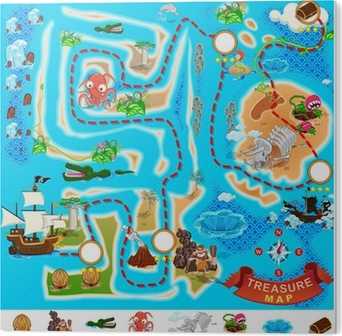
If you’re looking to add excitement to a kids’ party or classroom activity, designing a scavenger hunt is an engaging way to keep everyone entertained. By utilizing a downloadable blueprint, you can create a fun and immersive experience with minimal effort. These designs can be easily printed at home and are perfect for crafting an interactive exploration game.
To get started, find a suitable layout that reflects your theme. Many templates come with illustrations such as palm trees, caves, and landmarks that will capture your participants’ attention. Once printed, you can personalize it by adding clues, obstacles, or rewards to the path. This flexibility allows for both simple and intricate challenges depending on the age group or complexity you wish to create.
After printing your adventure design, consider including hidden messages or riddles that will guide your participants along the route. Enhance the experience by offering small items or tokens as prizes for solving each stage. This not only makes the activity more rewarding but also reinforces problem-solving skills and teamwork among participants.
How to Create an Exciting Adventure with a Custom Adventure Map
Start by selecting a design template that fits your theme. For a classic treasure hunt, choose one that features an island with marked landmarks, hidden routes, and obstacles like rivers or mountains. You can find such layouts online or design your own by hand or using software.
Once you’ve chosen the template, it’s time to personalize it. Add unique features such as secret caves, abandoned ships, or a hidden chest where the final clue leads. Customize the layout to match the difficulty level of your participants–simpler routes for younger players and more intricate paths for older ones.
After customizing the layout, print it out on sturdy paper or cardstock for durability. This will ensure the map holds up during the hunt and is easier to handle. You can even distress the edges of the paper to create an aged effect, enhancing the sense of mystery and adventure.
To make the hunt more engaging, include hidden messages or riddles on the routes. These clues could guide participants from one landmark to the next or lead them to small rewards along the way. For example, a clue could read: “Look beneath the old oak tree, the next hint is where X marks the spot.”
Consider using symbols like skulls, compasses, or anchors to mark key locations. These visuals not only add a thematic touch but also make the map more intuitive to follow. You can even involve some physical props, such as a magnifying glass, to decipher secret codes or reveal hidden marks.
Once the hunt is underway, use a timer or checkpoints to add a sense of urgency. Players can be challenged to complete the route within a set time, or each new clue can have a time limit to keep the excitement high. Make sure to offer small rewards as participants find each clue to keep the momentum going.
For added fun, consider creating themed roles for players, like a captain, navigator, or lookout. Each participant can be assigned tasks based on their role, which adds a layer of interaction and teamwork. This will make the event more social and encourage collaboration as they decode clues together.
Finally, after the hunt, gather everyone to review the completed adventure. Share the story of the journey and celebrate the success of the participants. This reflection will give everyone a sense of accomplishment and make the experience memorable for everyone involved.
How to Download and Print the Adventure Blueprint
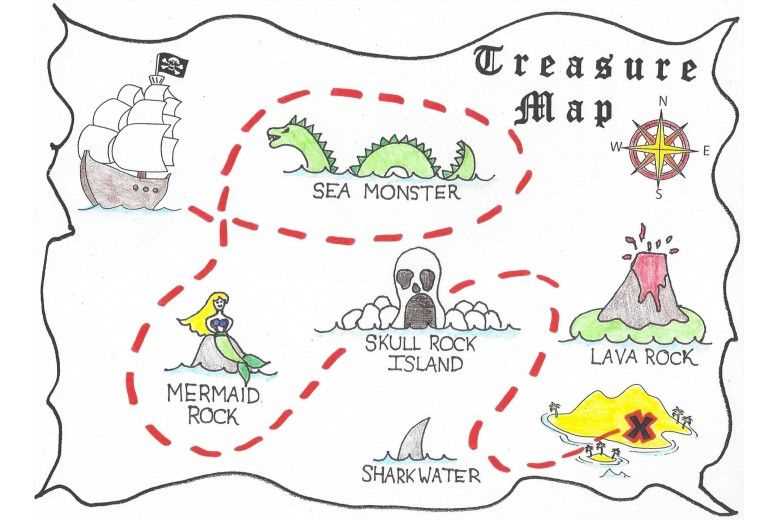
To get started, search for a suitable layout that matches your theme. Websites offering creative resources often have various designs, from simple ones to more intricate illustrations with detailed landmarks. Once you find the design that fits your needs, download it to your computer or device.
Ensure the file format is compatible with your printer settings, typically PDF or JPEG. Most devices will support these formats, but you can use software like Adobe Reader or Preview to open them. If you’re working with a different format, check that your printer software can handle it before proceeding.
Next, choose your print settings. It’s recommended to print on thick paper or cardstock to give the blueprint durability for repeated use. Select a high-quality print option to ensure the text and images are crisp and easy to read. Adjust the scale if necessary, especially if you want to make the blueprint larger or smaller.
Before printing the full version, do a test print on regular paper to ensure the layout is aligned properly. This way, you can avoid wasting materials in case there are any issues with margins or resolution. Make any necessary adjustments and then proceed to print the final version.
Once the design is printed, you can personalize it further by adding your own symbols, riddles, or details that fit your theme. Use markers or colored pencils to highlight specific areas or create paths. If you want to age the design, lightly burn the edges with a match or use tea bags to stain the paper for an antique effect.
Now that your blueprint is printed, it’s ready for use! You can laminate it for added durability or roll it up like an ancient scroll for that authentic touch. Keep it in a safe place until you’re ready to set up your adventure and start the hunt.