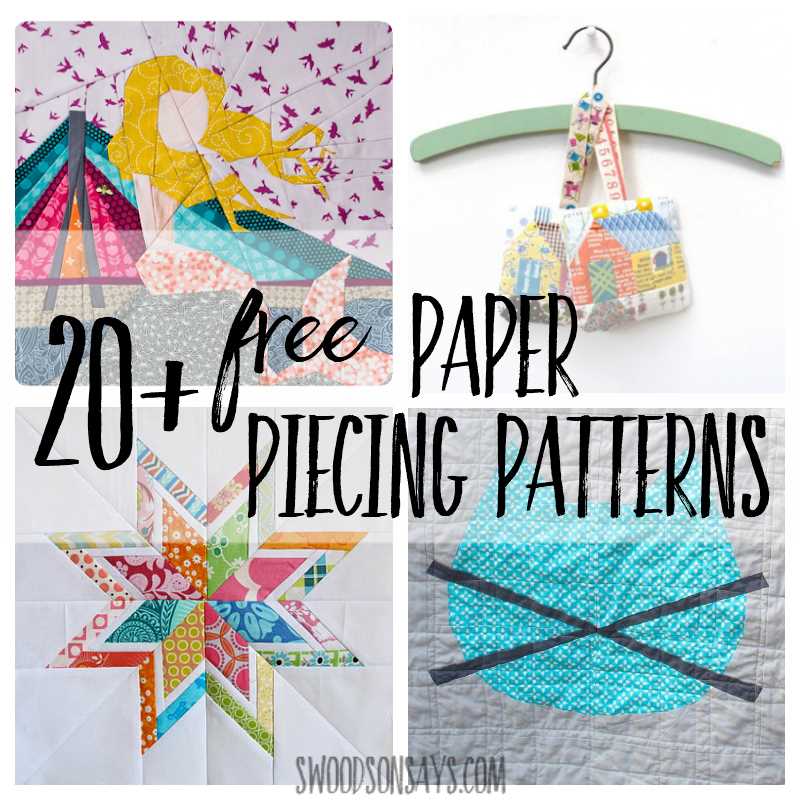
Download foundation quilt block patterns in PDF format at 100% scale, then verify the 1-inch test square before cutting fabric. Accurate scaling prevents distortion and keeps seam allowances consistent at 1/4 inch across all sections.
Use thin copy sheets (around 70–80 gsm) for easier removal after stitching. Heavy stock increases perforation resistance and can pull stitches out during tearing. Shorten stitch length to 1.5–1.8 mm so the needle creates fine perforations along seam lines.
Cut fabric pieces at least 1/2 inch larger than each numbered section to allow full coverage after folding. Press seams with a dry iron set to cotton temperature, lifting instead of sliding to avoid shifting layers.
Store downloaded block layouts in labeled folders by size, such as 6-inch, 8-inch, or 12-inch units. Keep printed masters flat in protective sleeves to reuse the layout multiple times before producing additional copies.
Free Printable Paper Piecing Templates
Download foundation quilt block layouts in PDF format at full scale, then confirm accuracy using the 1-inch calibration square before cutting fabric. A mismatch of even 2–3 mm will cause block alignment problems during assembly.
Select thin copy sheets between 70–80 gsm for easier tearing after stitching. Thicker stock resists perforation and may distort seams while removing backing. Adjust stitch length to 1.5 mm to create closely spaced needle holes along seam lines.
Prepare fabric pieces larger than each numbered section by at least 1/2 inch on all sides. This margin prevents exposed edges after folding. Follow this sequence:
- Place first fabric piece right side up under section 1
- Align second piece right sides together
- Sew directly on the printed line
- Trim seam allowance to 1/4 inch
- Press open before adding the next section
Organize digital block diagrams by size category such as 6-inch, 8-inch, or 12-inch units. Label folders by theme including geometric stars, animals, or seasonal motifs to speed up project selection.
Use an add-a-quarter ruler for accurate trimming along fold lines. This tool maintains consistent seam allowances across complex angular designs.
After stitching all sections, carefully tear away the foundation from the back, pulling along seam lines rather than against them. Remove small fragments with tweezers to keep stitches intact before joining completed units into a quilt top.
How to Download and Print Paper Piecing Patterns at Correct Scale
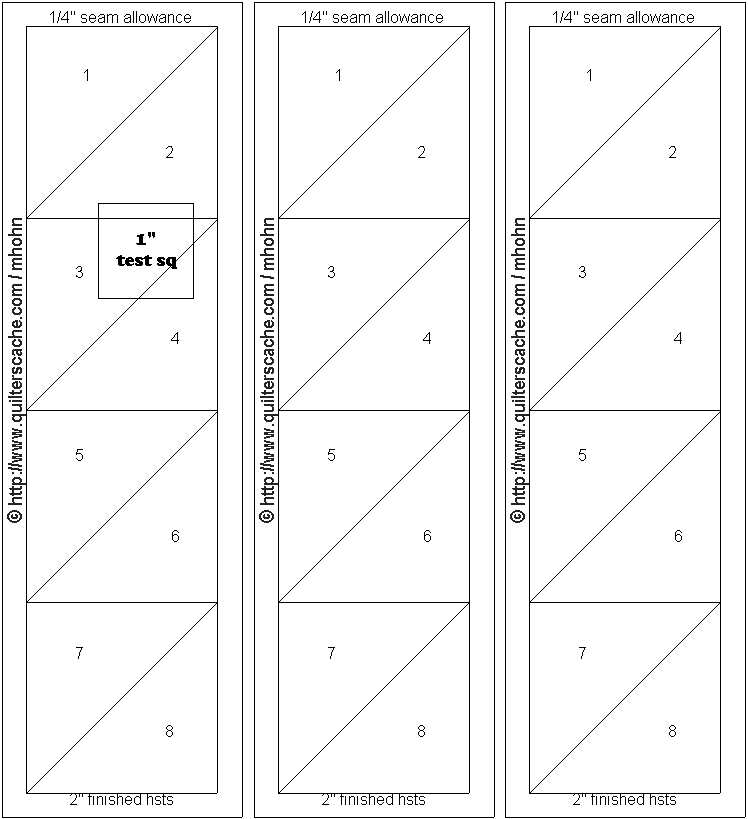
Download the quilt foundation layout in PDF format and open it in a desktop viewer such as Adobe Acrobat rather than a browser preview to prevent automatic scaling.
Check for a calibration box, usually marked as 1 inch or 5 cm. Print a single test sheet using “Actual Size” or 100% scale. Measure the box with a ruler; it must match the indicated dimension exactly.
Disable options such as “Fit,” “Shrink oversized pages,” or “Scale to printable area.” These settings reduce pattern size and distort seam allowances, causing blocks to finish smaller than expected.
Select standard A4 or US Letter format based on the file specifications. If the layout spans multiple sheets, enable alignment marks and trim margins precisely along indicated lines before taping sections together.
Use thin copy sheets between 70–80 gsm to simplify removal after stitching. Heavy stock resists tearing and can stretch stitched seams when detached.
Set printer quality to standard or high resolution to keep seam lines sharp. Faint lines make stitching accuracy difficult, especially in complex geometric sections.
Print only the required number of copies for the project. Keep one master copy unmarked for future use, stored flat in a clear sleeve.
Recheck scale accuracy each time you change printer settings, switch devices, or update drivers. Minor adjustments in software can alter output dimensions without visible warning.