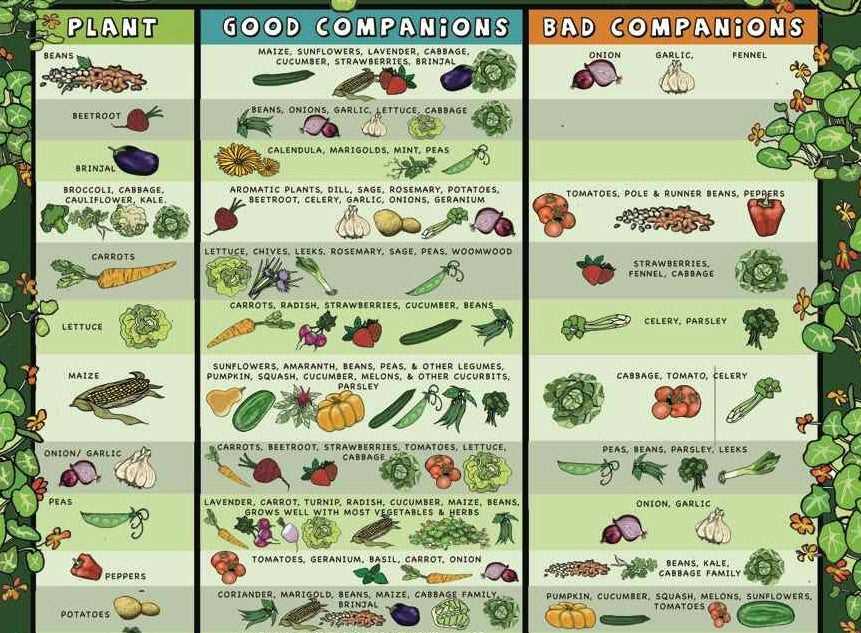
To boost the health and yield of your garden, select plants that thrive together. Some species repel harmful pests or enhance each other’s growth, making their proximity highly beneficial. For example, tomatoes and basil not only complement each other in flavor but also help deter pests like aphids and mosquitoes. The right combinations of vegetables, herbs, and flowers can significantly improve the quality of your crops.
Before organizing your garden layout, consider the specific needs of each plant. Certain vegetables such as carrots and onions benefit from being grown side by side, as they help mask each other’s scents, confusing pests. On the other hand, beans and peas fix nitrogen in the soil, which is great for leafy greens like lettuce and spinach. Knowing which plants work well together is key to creating a balanced, thriving garden.
Utilize a guide for plant pairings to streamline the selection process. These guides provide clear recommendations for plant groupings that increase soil health, deter pests, and promote strong growth. By referring to such resources, you can ensure that each section of your garden is optimized for success. When planning your next planting season, be mindful of your garden’s overall ecosystem and aim to mix species that offer mutual benefits.
How to Maximize Your Garden with Strategic Plant Pairings
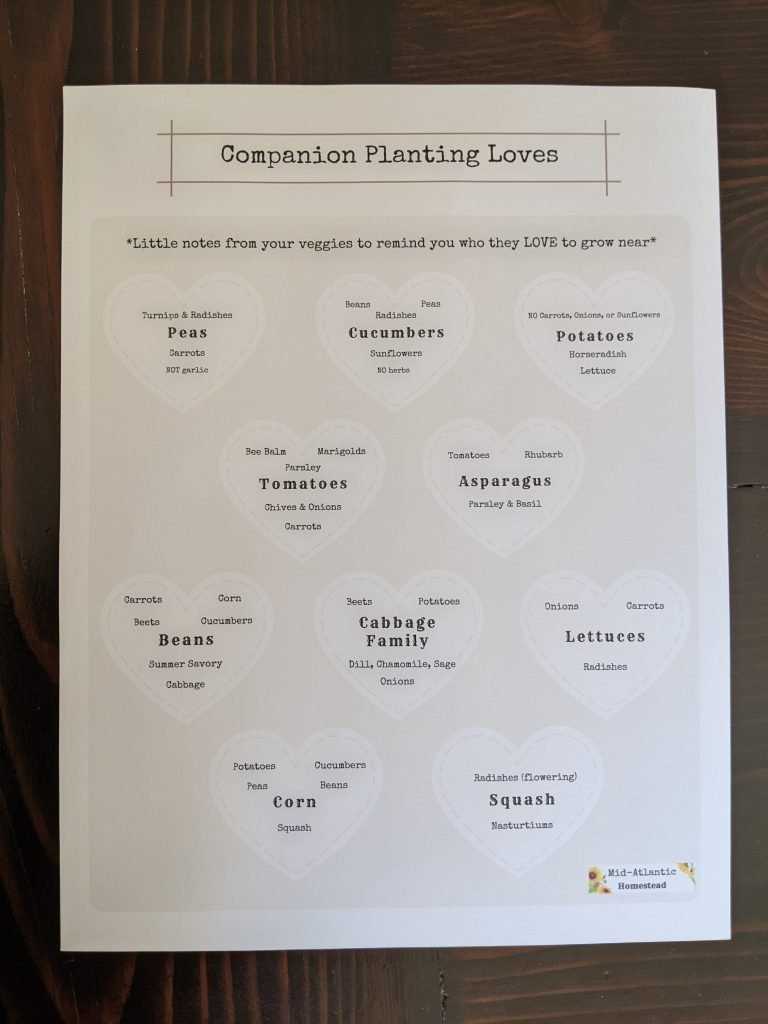
For a thriving garden, start by selecting plants that work together. For instance, beans are excellent for enriching the soil with nitrogen, which helps leafy greens like lettuce grow better. Pairing them ensures healthier plants and better yields. Look for combinations where each plant supports the other in some way, whether it’s pest control, nutrient sharing, or enhancing growth conditions.
One popular combination is tomatoes and basil. Not only do they grow well together, but basil helps deter pests like mosquitoes and aphids that commonly affect tomatoes. In turn, tomatoes provide basil with a bit of shade, keeping it from wilting in the heat. This mutually beneficial relationship creates a balanced garden environment.
Another helpful pairing is carrots and onions. These two are ideal partners because they have different growth habits that don’t compete for the same nutrients. Onions help deter pests like the carrot fly, while carrots benefit from the onion’s presence by keeping the soil looser and better aerated for their roots.
If you’re looking to improve soil quality, consider mixing peas or beans with other vegetables. These plants fix nitrogen in the soil, enriching it for the other crops nearby. Beans, for example, can be paired with corn to not only improve soil fertility but also create a natural support system as the corn grows tall, providing a structure for the beans to climb.
However, be cautious when combining certain plants. For instance, avoid planting beans with onions or garlic, as they can inhibit each other’s growth. Similarly, some plants like cabbage and tomatoes don’t mix well and may stunt each other’s growth. Carefully research plant relationships before making your selections.
Keep in mind the space each plant needs. Some crops, like squash and melons, require a lot of room to spread out. If space is limited, try growing these alongside more compact plants like radishes or leafy greens, which take up less room and can thrive in the shade of the larger crops.
Always check the light and moisture requirements of different plants before placing them together. For example, most herbs need full sunlight, while leafy greens like spinach and lettuce grow better in partial shade. Understanding these needs ensures that your plants will thrive in their respective environments.
By carefully selecting plants that work well together, you can boost the health and productivity of your garden. Using a guide to help pair vegetables, herbs, and flowers will streamline the planning process, ensuring that each plant is in its ideal spot. Whether you’re a beginner or experienced gardener, thoughtful plant combinations can make a significant difference in your garden’s success.
How to Choose Compatible Plants for Your Garden
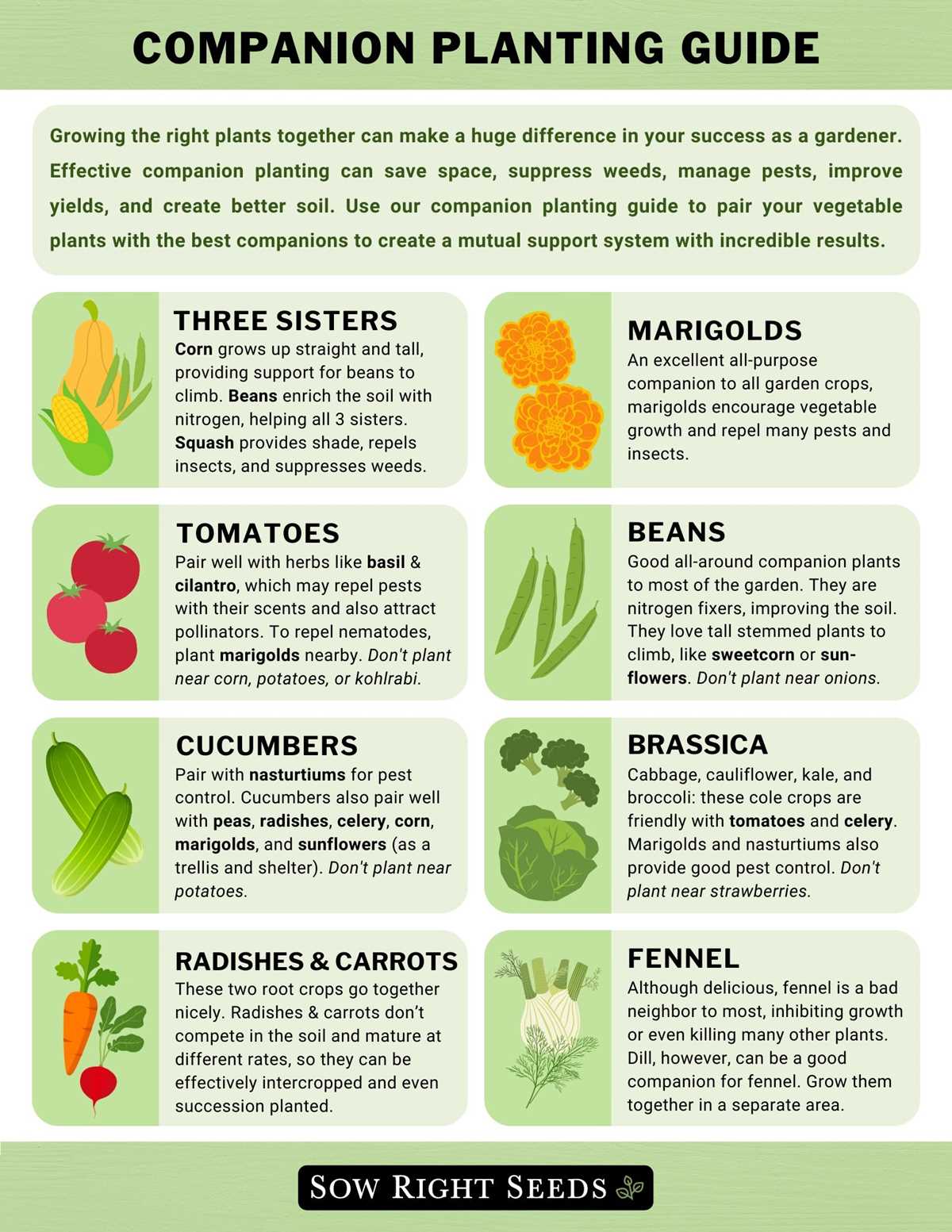
Start by selecting crops that complement each other’s growth requirements. For example, tomatoes and basil thrive in similar conditions and can help each other grow. Basil repels pests like aphids, which commonly affect tomatoes, while tomatoes provide basil with partial shade. This creates a balanced environment that benefits both plants.
Consider the space needs of each plant. Tall crops like corn provide support for beans to climb, while beans also improve soil quality by fixing nitrogen. However, avoid pairing plants that have similar root structures or nutrient needs, as they may compete for resources. Corn and beans are ideal partners because they utilize space differently and complement each other’s growth.
Take into account light and moisture preferences. Some vegetables, like lettuce and spinach, do well in partial shade, while others, such as peppers and squash, require full sunlight. Group plants with similar needs together to ensure they all thrive. If your garden has limited sunlight, place taller plants where they won’t overshadow shorter ones that need more light.
Research natural pest deterrents. Certain plants, like marigolds, can help repel harmful insects. Planting marigolds near vegetables like tomatoes and peppers can deter pests that commonly affect these crops. Similarly, planting garlic or onions near carrots can protect them from carrot flies. By combining plants with natural pest-repelling properties, you can reduce the need for chemical pesticides.
Finally, consider the growth cycle of each plant. Some plants, like early-season greens, can be harvested before others, leaving space for slower-growing crops. This staggered planting approach ensures that your garden remains productive throughout the season without overcrowding. Pay attention to the timing of each crop to maximize space and yield.