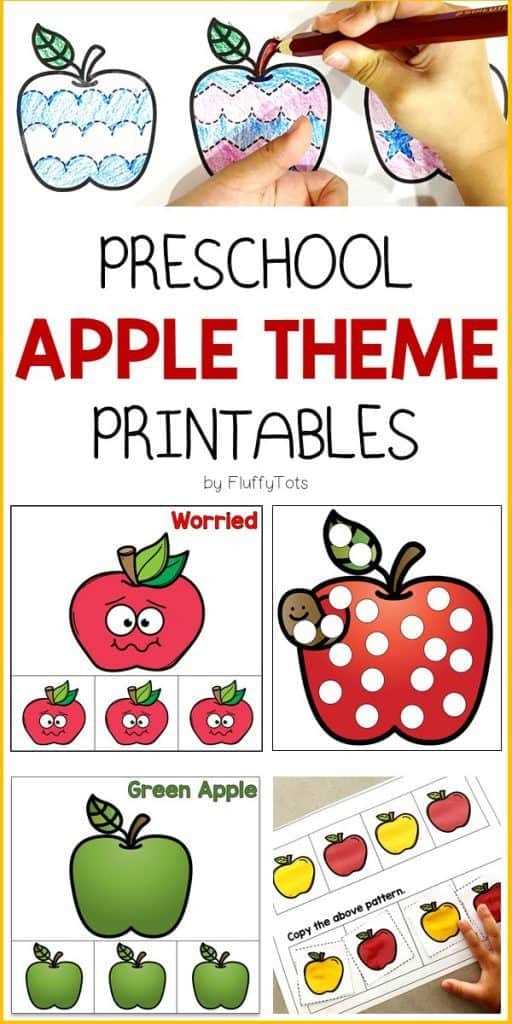
Using themed activity sheets featuring fruits or nature imagery can be an excellent way to introduce young learners to various concepts. From simple number recognition to identifying shapes and colors, these materials can make learning both fun and memorable. For example, worksheets that incorporate illustrations of popular fruits offer a playful and interactive method to explore topics like counting, sorting, and even basic addition.
To effectively use these resources, consider adapting them to different learning stages. For instance, you can start with color-by-number tasks for the youngest children, which helps with both color recognition and following instructions. For older students, activities can expand to more complex puzzles or matching exercises that encourage critical thinking and fine motor skills development.
For hands-on learners, these worksheets can also be paired with craft projects. A drawing task or cut-and-paste activity involving shapes and colors can enhance creativity while reinforcing the concepts introduced in the printouts. Incorporating this combination of visuals and hands-on tasks ensures that students engage with the material in a multi-sensory way, which is particularly beneficial in the early stages of education.
Apple Themed Worksheets for Early Learners
Using fruit-themed activity sheets is an engaging way to help young learners build foundational skills in a fun and interactive way. Activities centered around popular fruits can teach counting, color recognition, and letter formation. For example, a simple worksheet with images of various fruits encourages students to count the number of apples and write the corresponding number. This allows for easy integration of both math and literacy skills in one exercise.
Coloring exercises featuring apples or other fruits are another effective method to teach color identification. You can provide children with a worksheet where they color different fruits according to specified instructions, such as “Color the apple red.” These activities not only strengthen color recognition but also improve fine motor skills as children practice coloring within the lines.
For more advanced learners, you can incorporate word-matching tasks. For instance, a worksheet with images of fruits can feature matching exercises where children draw lines to connect the word “apple” to its corresponding image. This enhances their ability to recognize simple words and associate them with objects, reinforcing early literacy skills.
Incorporating sorting activities into fruit-themed lessons is another useful strategy. Provide worksheets where children are asked to group apples with other similar fruits based on size, color, or type. Sorting helps children understand classification and develop their critical thinking and problem-solving skills.
Finally, integrating creative tasks like drawing or cut-and-paste exercises can further engage children. A worksheet could prompt them to draw their own apple trees or create a fruit basket by cutting out apple shapes and pasting them onto a larger sheet of paper. These activities not only help with creativity but also improve hand-eye coordination and spatial awareness.
How to Use Fruit-Themed Worksheets to Teach Early Math Skills
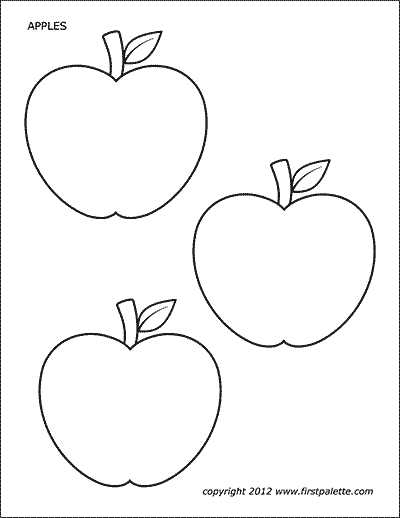
Start by introducing simple counting activities using pictures of fruits. For instance, a worksheet can display several fruit illustrations and ask children to count the number of items in each group. This reinforces the concept of counting while making the process engaging. These tasks help children practice number recognition and basic arithmetic, like adding or subtracting a certain number of fruits.
Incorporate sorting and categorization exercises to teach young learners about different sets. For example, provide a worksheet where children are asked to sort various fruit images by their size or color. This teaches them about categorization and patterns, key skills in early math education. Sorting also helps build logic and reasoning abilities, which are foundational to understanding more complex math concepts.
For addition and subtraction practice, design worksheets with fruit-themed word problems. Create scenarios like, “You have three apples. If you get two more apples, how many do you have now?” These exercises develop problem-solving abilities and introduce early mathematical operations in a fun and relatable way. Word problems using real-world contexts like fruits make math more tangible for young students.
Another strategy is to teach basic geometry with fruit shapes. Create activities where students are asked to identify and trace basic shapes such as circles, squares, and triangles using fruit images. This improves shape recognition and spatial awareness, which are important for future math learning. Children will also gain fine motor skills by tracing the fruit shapes on paper.
Finally, use worksheets with fruit-based comparison exercises. For instance, ask children to compare groups of fruits to determine which group has more or fewer items. This introduces early concepts of comparison, which is a precursor to understanding greater than, less than, and equal to signs. These activities are simple but effective for building the foundational math skills necessary for future learning.