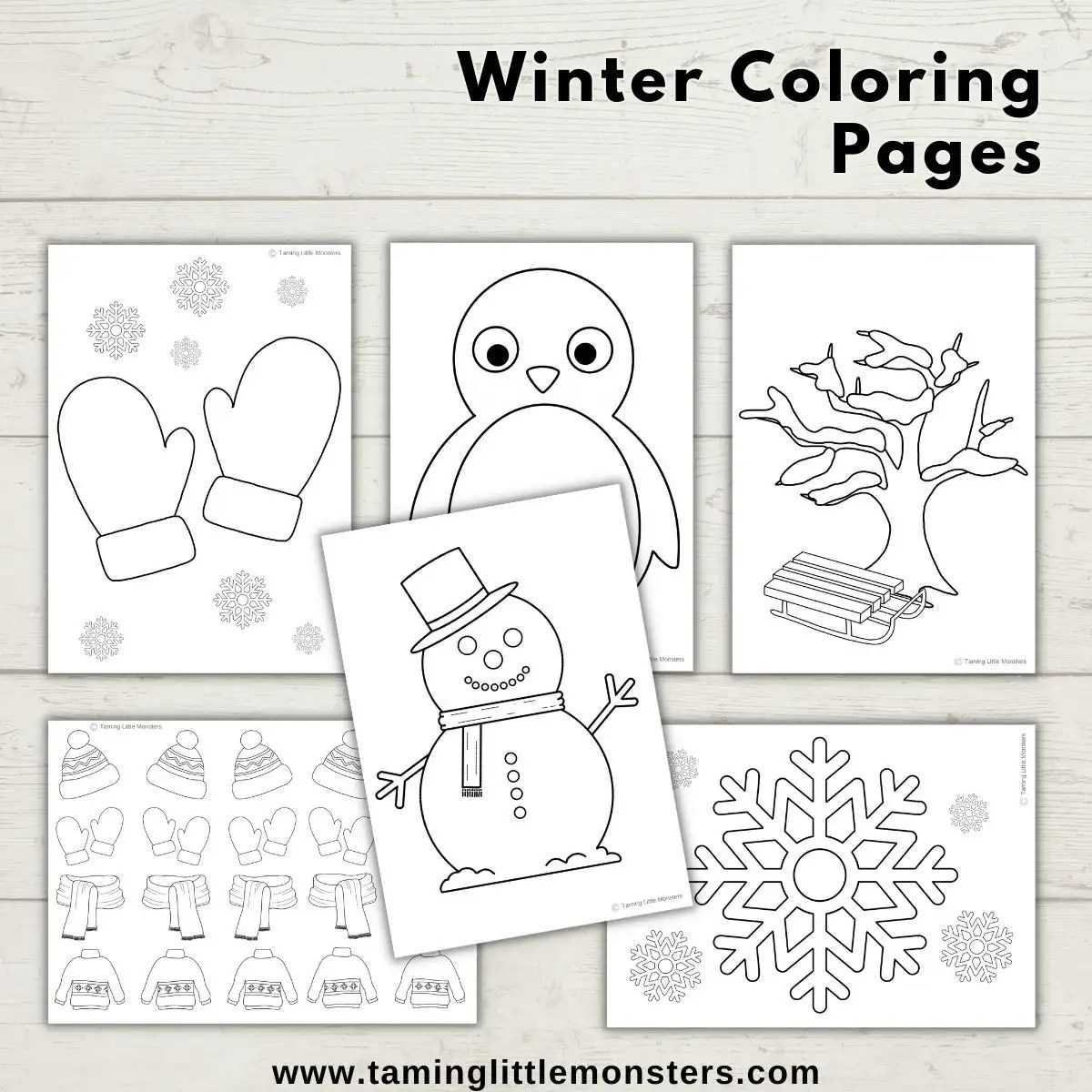
Start by selecting simple yet engaging designs. Opt for outlines that are clear and easy to understand, with minimal detail. Young children benefit from images they can fill in quickly, building their confidence and enjoyment as they work. Choose themes that resonate with them, such as animals, nature, or shapes, which are more likely to keep their attention focused.
Once you’ve selected the right designs, print them on durable, thick paper. This ensures that the pages hold up to repeated handling and adds a more professional feel to the activity. Consider using materials that are easy to wipe clean, especially if your child is working with crayons or markers that may smudge easily. This simple preparation can make a big difference in maintaining a positive experience.
Incorporate these activities into your daily routine to maximize learning and fun. Create opportunities for your child to engage with different colors and textures, helping them develop fine motor skills and hand-eye coordination. Encourage creativity by discussing different color choices and helping them connect the activity with their environment or storybooks they’re familiar with.
How to Choose the Best Sheets for Young Children
Start by picking simple designs with large, recognizable shapes. Avoid intricate details that could overwhelm young kids. Focus on clear outlines of animals, everyday objects, or basic patterns like stars or hearts. Simple images help little ones feel confident as they engage with the activity and complete their task.
Consider the level of engagement. For early learners, choose designs that allow them to explore colors but don’t require too much precision. Shapes with big spaces between lines help them develop their motor skills without frustration. As they grow, you can introduce more complex images with smaller details.
Choose a variety of themes to keep things interesting. Rotate between educational themes like numbers, letters, or nature to encourage learning while having fun. Themes like weather, seasons, and animals often capture children’s attention and expand their understanding of the world around them.
Ensure the content is age-appropriate. Avoid overly detailed or abstract illustrations that might confuse or discourage a young child. Stick to designs that match their cognitive and developmental stage. For toddlers, opt for familiar shapes, colors, and large patterns that they can easily recognize and relate to.
Use designs that are visually appealing. Bright, contrasting colors and bold shapes attract children’s attention and make the activity more enjoyable. Look for pictures that feature elements they see every day, such as toys, pets, or family members, to make the experience feel more personal and engaging.
Finally, consider the ease of access. Ensure that the designs are easy to print and display. Choosing ones that are already set up with simple formatting can save time and frustration. Also, make sure the sheets are available in a size that is manageable for little hands to hold and work on comfortably.
Tips for Printing and Preparing Sheets for Young Children
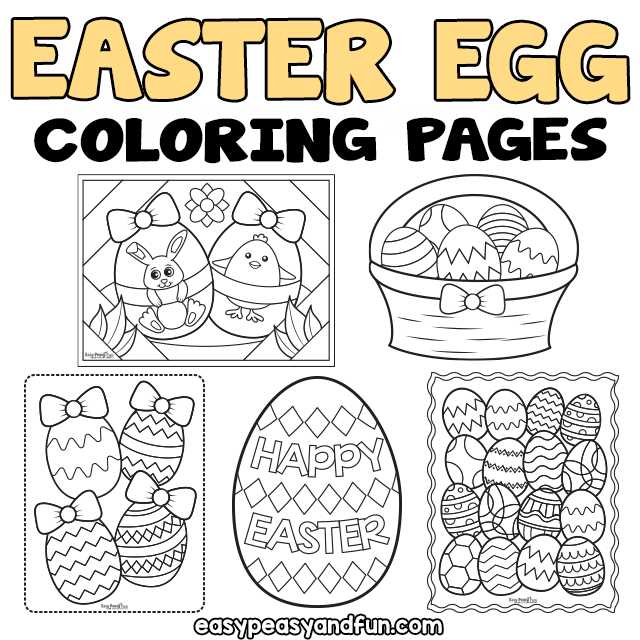
Use a high-quality printer to ensure that the designs are crisp and clear. A printer with good resolution will produce images that are easier for kids to color in, as fine details and lines will be more defined.
Choose the right paper type. Opt for thicker sheets that are less likely to tear during the activity. Cardstock works well, as it provides a sturdy surface for coloring and prevents bleed-through from markers.
Adjust the size of the images based on your child’s motor skills. Larger illustrations are better suited for younger kids, as they can easily fill in bigger areas. If you want to make the activity more challenging, consider resizing images to offer more intricate designs for older children.
Before handing the sheet to your child, make sure it is well-aligned and securely placed in the printer. Any misalignment could result in cut-off lines or distorted designs, which might frustrate the child.
If your printer offers the option, use draft or economy mode to save ink. This will not only reduce printing costs but also ensure that the colors are light enough for young children to use markers, crayons, or colored pencils without any difficulty.
Once the sheet is printed, prepare the workspace. Set up a comfortable and safe environment with proper lighting and enough space for the child to spread out and focus on the task at hand. Make sure the materials–such as crayons, markers, and erasers–are within easy reach.