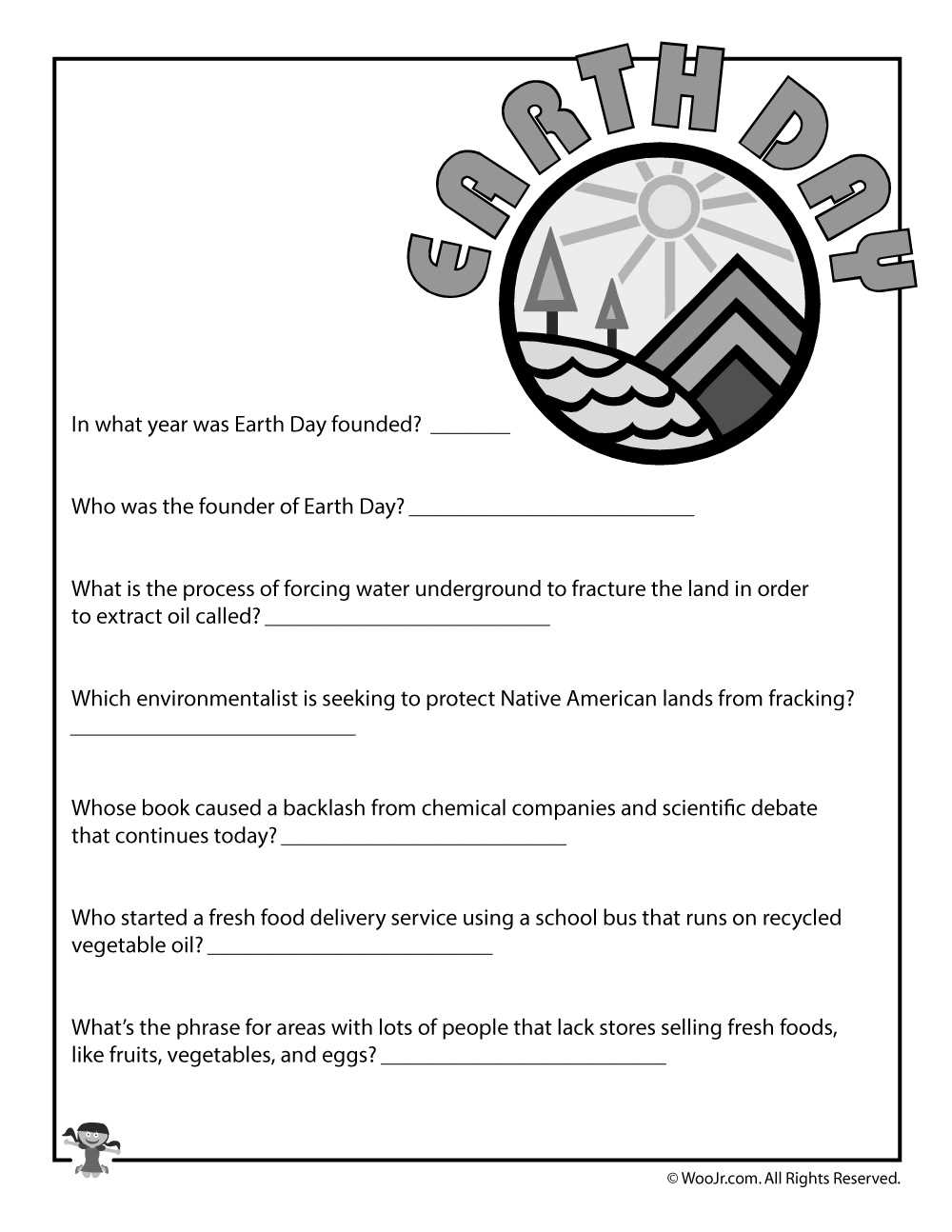
Start by selecting activities that help young learners connect with nature and understand the importance of sustainability. Providing fun and engaging tasks such as puzzles, matching games, and coloring sheets encourages children to think critically about the environment and their role in protecting it.
Focus on including hands-on activities that teach eco-friendly habits. For example, include exercises that allow students to categorize recyclables, track their water usage, or design their own gardens. These activities not only increase awareness but also give children practical ways to make a difference in their communities.
For teachers and parents, access to high-quality resources is key. Look for free resources that offer a variety of exercises tailored to different age groups, making sure that the content is both educational and enjoyable. With a bit of preparation, these materials can be integrated into lessons or used as fun extras for home activities.
Eco-Friendly Activities for Kids and Students
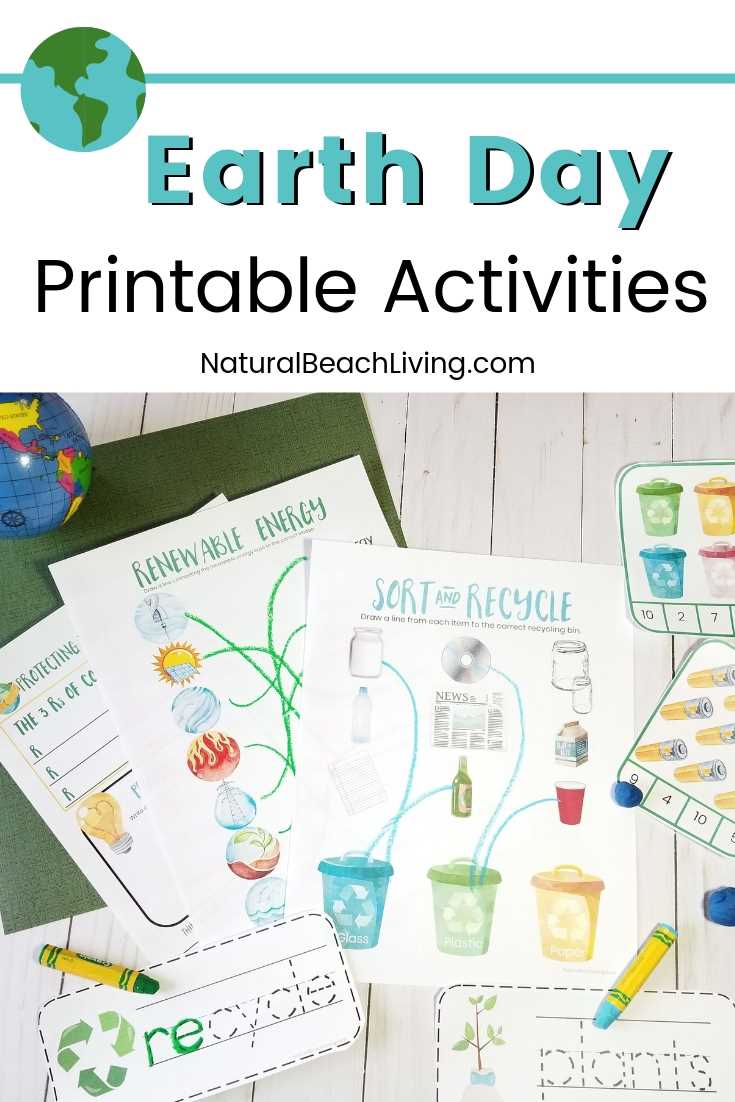
Start by offering children activities that help them understand the importance of conservation. Coloring pages and matching games can illustrate key concepts such as recycling, water conservation, and reducing waste. By associating fun with environmental awareness, you can spark long-term interest in sustainability.
Incorporate exercises where kids track their daily habits and assess how they impact the planet. Simple tasks, like counting the number of plastic bottles used in a week or measuring how much water is wasted, create an opportunity for young learners to reflect on their environmental footprint.
Another effective approach is using creative design activities, such as building imaginary eco-friendly homes or designing a green community garden. These exercises not only engage children but also encourage them to apply their knowledge of sustainability in a practical way.
Parents and teachers can find these activities online, with a variety of free resources available for different age groups. Choose materials that match the developmental stage of the child, ensuring that they are both educational and enjoyable. Younger children might prefer simple puzzles or coloring pages, while older students can work on more detailed challenges.
Make sure to include a mix of individual and group activities. For example, one student might work on creating a recycling chart for their home, while another participates in a group project to clean up a local park. This diversity in tasks helps children connect with the idea of community action while still promoting individual responsibility.
Additionally, create an environment that encourages ongoing learning. Give children the opportunity to present their findings or completed tasks to others. This not only reinforces their understanding but also encourages them to share what they’ve learned with their peers or family.
By introducing these activities, you provide children with the tools they need to understand their environmental impact. The key is to make the learning process enjoyable and interactive, ensuring that it stays memorable and meaningful. Start with simple, engaging tasks, and gradually build on those experiences with more complex ones as the child grows.
How to Choose the Best Activities for Different Age Groups
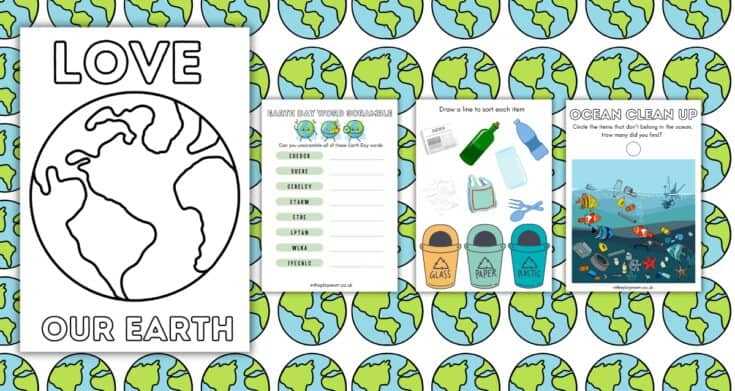
When selecting educational tasks for younger children, simplicity is key. Focus on interactive and colorful activities that will engage their imagination, like matching games or simple puzzles. At this stage, the goal is to introduce them to basic environmental concepts, such as recycling and the importance of plants, in a fun and approachable way.
For elementary school-aged children, it’s ideal to combine creativity with hands-on learning. Look for activities that allow them to draw, color, and complete short exercises that involve counting or categorizing. Tasks like sorting recyclable materials or designing a sustainable garden can help them make practical connections between their actions and environmental impact.
Older students can benefit from more detailed challenges that require critical thinking. Offer tasks such as creating reports on energy use or researching how different materials affect the environment. These assignments will help them develop a deeper understanding of the issues and solutions related to sustainability, encouraging them to think critically about their role in protecting the planet.
Always consider the developmental stage of the group you’re working with. Younger children require more visual stimulation and guided steps, while older students can handle more independent and complex tasks. Tailoring activities to their abilities ensures that the experience remains engaging and educational without overwhelming them.