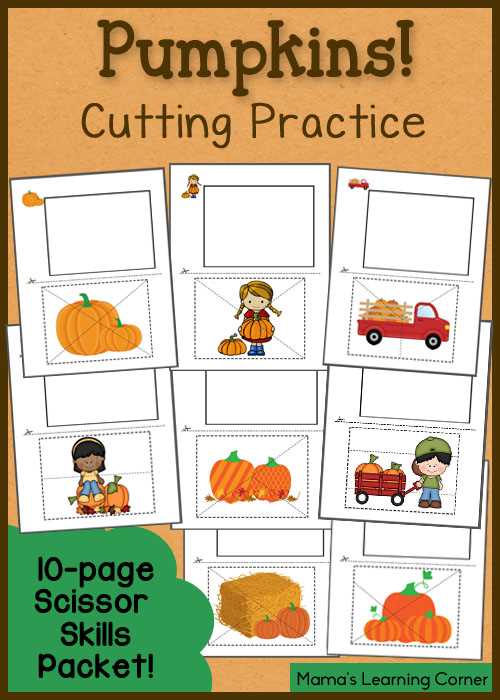
Start with basic shapes such as straight lines, zigzags, and curves. These designs help children develop control and confidence with their scissors. Keep the lines bold and distinct to guide them while they cut. For younger children, begin with large shapes to ensure they are comfortable handling the scissors before moving to more intricate patterns.
As children improve, introduce more detailed shapes, such as circles and triangles. This progression will challenge them to refine their hand-eye coordination and improve their precision. Ensure that the tasks remain fun by incorporating themes that interest them, such as animals, flowers, or their favorite characters.
Using a variety of materials like colored paper or thick cardstock will add a tactile element to the experience, allowing kids to adjust their grip and cutting technique. Rotate through different textures to prevent boredom and keep them engaged. Combine these activities with creative projects like collages to encourage further exploration and practice.
Building Fine Motor Skills for Kids
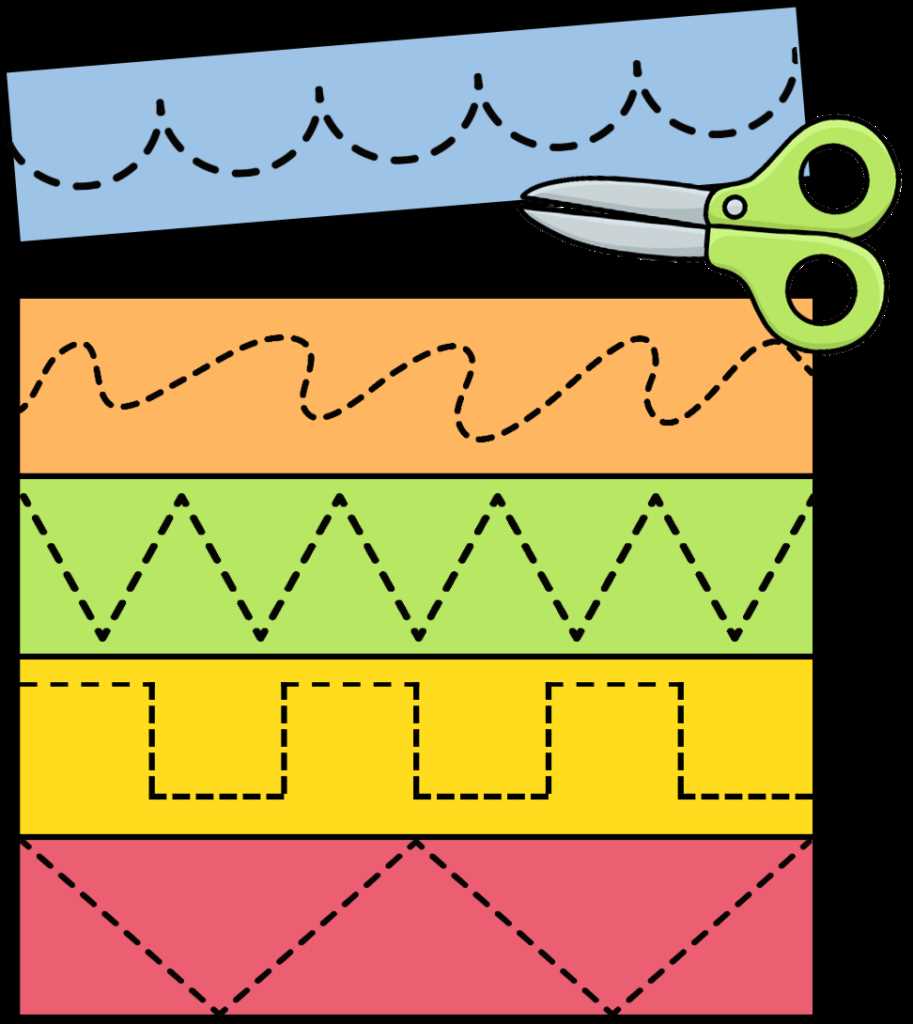
Start with simple, large shapes for children to follow, such as straight lines, wavy curves, and zigzags. This helps them develop the hand control needed for more precise tasks. Choose bold, dark outlines to guide their cutting motions and give them a visual path to follow. Work on one shape at a time to help them focus on their technique.
Introduce more complex patterns as their confidence grows. Simple circles, triangles, and squares will challenge them to refine their motor skills. Gradually increase the difficulty by introducing curved lines or shapes with corners, helping kids improve their cutting accuracy and control.
Use different textures and paper types to vary the challenge. Thicker paper may be harder to cut through but will require more precise hand movements, while thinner sheets are easier for beginners. Encourage kids to practice with both materials to adapt to different textures and refine their grip strength.
Combine these tasks with creative activities such as scrapbooking, card making, or collages. This way, children can apply their new skills in fun, hands-on projects that engage their creativity. Keep the activities short and varied to maintain their interest and prevent frustration.
How to Select the Right Cutting Templates for Young Learners
Start with simple, large shapes such as straight lines, wavy lines, and large geometric figures. These basic forms are perfect for beginners as they are easy to follow and help build confidence. Choose templates with bold outlines to guide the child’s movements and offer visual clarity.
Introduce gradual difficulty. Once the child is comfortable with simple shapes, move to more complex ones like circles, triangles, or zigzags. These shapes will help develop fine motor skills and hand-eye coordination, preparing them for more intricate designs in the future.
Consider the material being used. Thicker paper requires more effort to cut, which helps children develop hand strength, but may also cause frustration. Start with thinner paper and then transition to thicker stock once they feel more confident. This progression keeps them engaged without overwhelming them.
Avoid templates with too many intricate details. Complex designs can lead to mistakes and frustration. Instead, focus on templates that have clear and easy-to-follow lines, and leave enough space for children to make mistakes and learn from them. Simplicity is key at the beginning.
Mix in some fun designs that reflect the child’s interests, like animals, nature, or familiar objects. When children are excited about what they are cutting, they are more likely to remain focused and motivated. Incorporating their favorite themes can make the learning process more enjoyable.
Consider offering templates with both straight and curved lines. The diversity of shapes will keep their attention while improving their dexterity. Alternate between the two to prevent monotony and challenge them to practice more varied movements with the scissors.
Lastly, keep the templates easily accessible and make them part of regular practice. Having a stack of pre-prepared designs ready to go can encourage daily or weekly cutting sessions. Consistency and repetition are important for developing muscle memory and improving cutting technique.