For an authentic touch in your design projects, consider using natural-looking water features. By focusing on replicating realistic moisture formations, you can enhance any creative endeavor, from invitations to educational materials.
Start by selecting high-resolution reference images of natural moisture accumulations, such as droplets on leaves, glass, or fabric. These examples provide insight into texture, light reflection, and shadow play. Recreate these effects digitally using vector graphics software that supports precise adjustments.
For added realism, focus on simulating the interaction between light and surface curvature. The reflections and distortions created by moisture give each water sphere a unique appearance, which is critical for a lifelike result. Fine-tune transparency levels and gradients to match the way light interacts with the water’s surface.
Finally, ensure that the final result is versatile for various printing methods. Whether you’re producing invitations, posters, or decorations, test different formats to ensure crisp detail reproduction. Avoid overly large files that may compromise print quality by sticking to vector-based designs whenever possible.
HTML
Creating Water Droplet Patterns for Printing
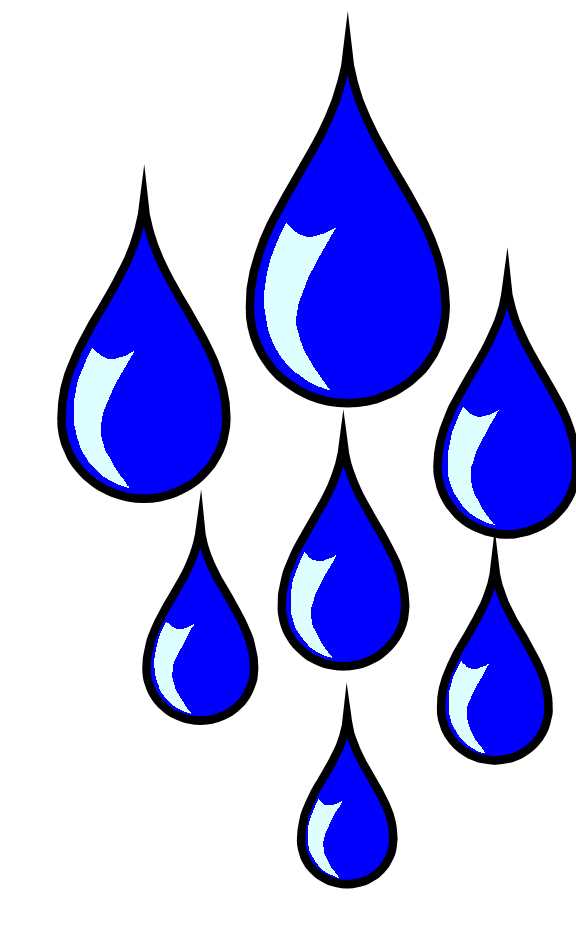
For a realistic and captivating design, use vector-based software to create custom shapes resembling water droplets. These can be adjusted for size and opacity to reflect various states of moisture accumulation. The beauty of these patterns lies in their ability to be scaled without losing clarity, making them versatile for different projects. Consider adding a subtle gradient fill to mimic the way light interacts with water.
If you’re looking to print them on materials like paper or fabric, opt for high-quality printers that support fine detail. Using thicker paper or fabric ensures that the patterns will not distort or fade easily. You can experiment with alignment and layering to create dynamic compositions that simulate the randomness of moisture collecting on surfaces.
Lastly, try adjusting the placement of these elements in a way that adds visual flow to your work. Whether you’re designing for a mural, fabric pattern, or stationary, careful positioning can enhance the natural look of water accumulating. Don’t hesitate to mix different sizes of droplets to achieve a more organic effect, and consider soft shadows for depth.
Choosing the Right Paper for Crafting Water Effects
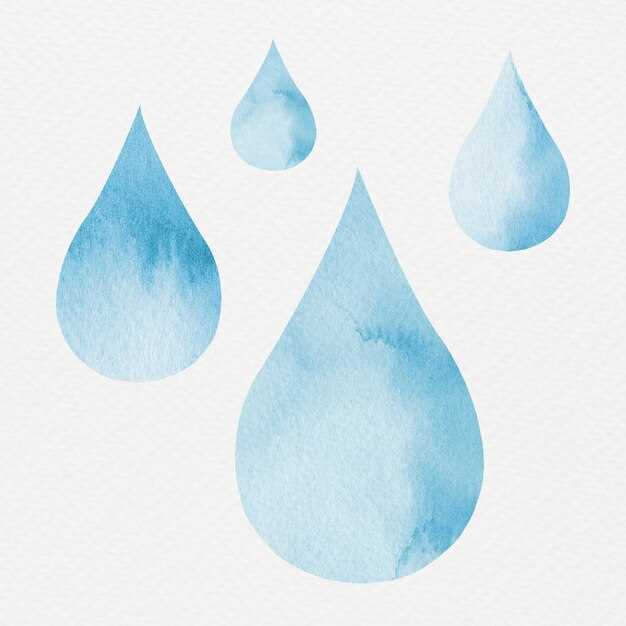
For creating water-inspired designs, it’s key to pick a paper that holds up well under printing pressure and offers crisp detail. A smooth finish, like that of satin or glossy papers, provides a clean and bright appearance, highlighting the delicate shapes. If your design includes gradients or subtle shading, this type of finish will ensure your colors appear more saturated and lively.
In contrast, textured paper with a matte finish may absorb more ink, resulting in a more muted effect. While this might seem undesirable, it’s a great choice for artistic effects where you want softer transitions and less stark contrast. It also enhances the tactile feel of the print, making it ideal for projects meant to be handled or framed.
Consider weight and thickness. A heavier paper, such as 300 gsm or more, offers more stability and durability, preventing warping or bending during the printing process. For delicate patterns, you may want to choose a lighter, finer stock to achieve a lighter and airier feel, which can replicate the illusion of gentle movements.
- Coated papers: These are best for high-quality prints with precise details and vibrant colors.
- Uncoated papers: Offer a more natural finish and are excellent for textured effects or artistic endeavors.
- Specialty papers: Consider watermarked or handmade options if you’re aiming for unique designs with a luxurious feel.
Lastly, do a test print before committing to a large run. The ink interaction with your chosen paper can vary, and a quick test will help you determine if the texture or finish delivers the desired look without compromising the integrity of your design.