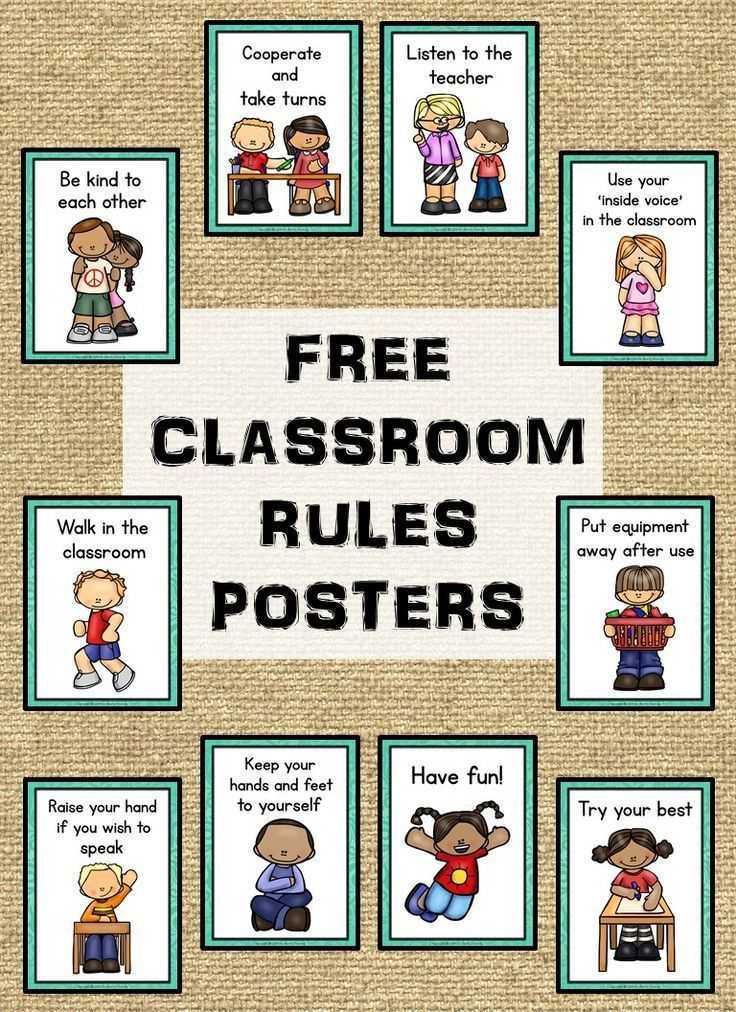
To create an environment where students remain focused and motivated, consider displaying clear visual reminders of expected behavior. These designs should be simple, visually appealing, and tailored to the age group you’re working with. Bold text with concise points often works best for conveying important ideas at a glance.
Use bright colors to attract attention and break up the monotony of plain walls. Colors like blue and green promote calmness, while yellow and orange can stimulate energy and focus. Incorporating images or icons alongside text can also help reinforce the messages.
Keep text minimal–limit the amount of information presented. A few key phrases or a short list will be far more effective than overwhelming students with lengthy paragraphs. It’s about striking the right balance between clarity and simplicity to ensure that important ideas stick with them throughout the day.
Consider customizing each display to reflect the unique values of your classroom environment. Personalization makes the content feel more relatable and can positively impact the classroom’s atmosphere. Include both visual and written elements to accommodate different learning styles and abilities.
Setting Expectations with Visual Displays
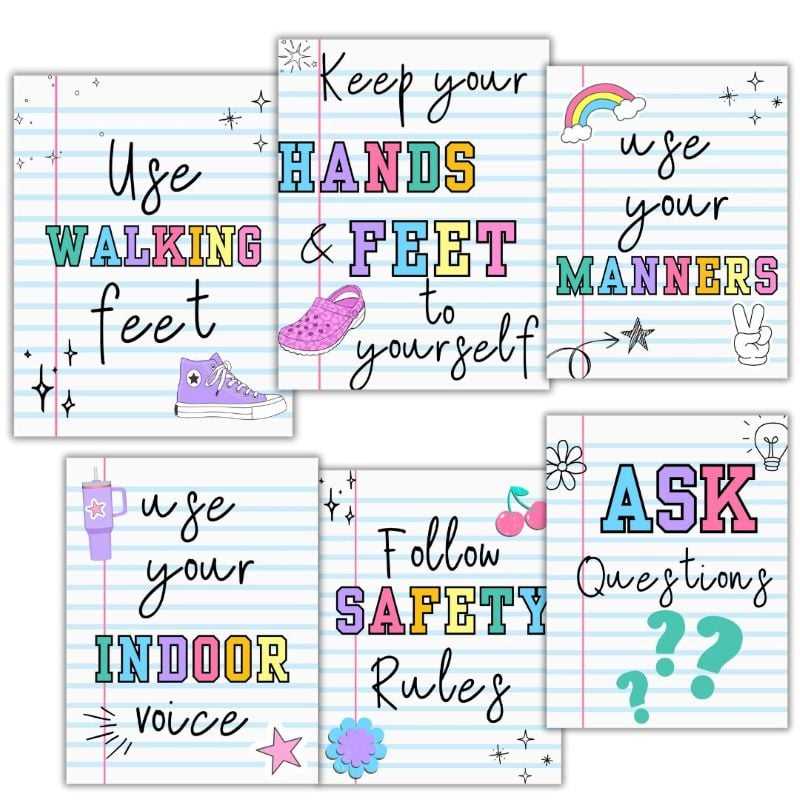
For quick reference, display clear statements that communicate behavior expectations. Use bold, large fonts that are easy to read from a distance, ensuring that students can see them even from the back of the room.
Keep the message simple and direct. Use concise language like “Respect Others,” “Stay Focused,” and “Raise Your Hand to Speak” instead of lengthy sentences. Short phrases are more likely to be remembered and understood by all students.
Group similar ideas together visually. For example, organize them in clusters such as “Listening” with phrases like “Face the speaker” and “No talking when someone else is speaking.” This way, students can process information quicker.
Incorporate colorful designs and images related to the concepts. Simple icons or illustrations help connect abstract ideas with real-world actions. For example, a picture of a raised hand for participation reminds students about the expectation without needing words.
Place these displays in areas where students frequently look, such as near desks or above blackboards. The goal is for the reminders to be within their line of sight during daily activities, reinforcing expectations naturally throughout the day.
Keep the tone positive. Instead of focusing on prohibitive language like “No shouting,” use affirmations such as “Speak calmly” or “Listen carefully.” Positive language promotes a more cooperative environment.
Update or rotate these displays regularly to avoid familiarity fatigue. A fresh design or new wording keeps the content engaging and relevant, reminding students that these principles are ongoing and vital to the environment.
Choosing the Right Design for Your Posters
Opt for a clean layout with clear, legible text. Choose a font that’s easy to read at a distance, such as sans-serif options like Arial or Helvetica. Avoid using too many decorative elements that could distract from the message. Keep the font size large enough for visibility, but balance it with enough space to prevent overcrowding on the page. White space is just as important as the content itself, so allow margins and gaps to make the design feel open and approachable.
Use colors that complement the overall environment and don’t overwhelm the senses. Bright colors can draw attention, but they should be used in moderation. Stick to a limited color palette–ideally two or three main tones–ensuring they contrast well against the background. For example, dark text on a light background or vice versa creates high readability. Use accent colors for emphasis on key points, but avoid rainbow hues or too many patterns that can make the message unclear.
Incorporate visuals that match the tone and age group. Simple icons or illustrations can make key points easier to understand, especially for younger individuals. For older students, a more minimalist approach with geometric shapes or subtle illustrations may work better. Make sure any visuals used are appropriate, relevant, and don’t clutter the overall appearance. The visuals should enhance the message, not overshadow it.