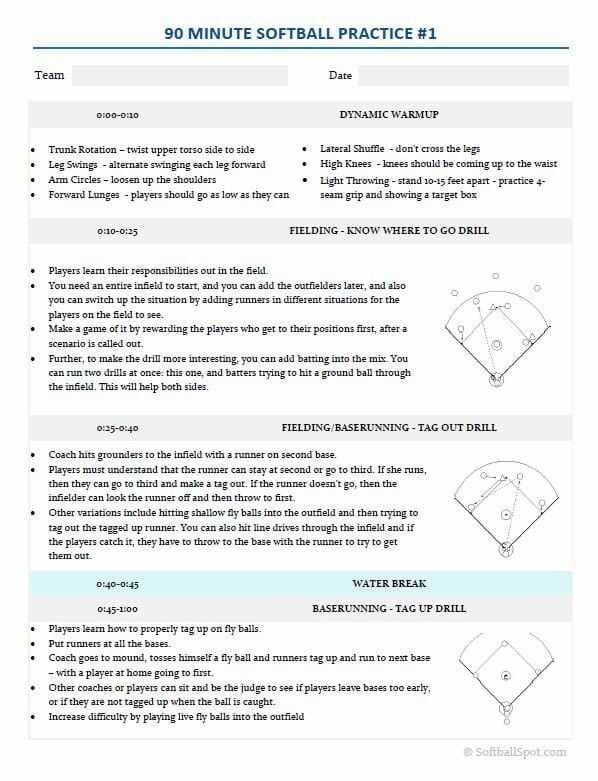
To optimize your team’s performance, a well-structured session is crucial. Focus on creating drills that improve specific skills such as fielding, hitting, and base running. Organize the exercises in a way that keeps players engaged and ensures steady progress.
For example, divide your session into clear segments: warm-up, skill development, and situational play. Start with dynamic stretches to prevent injuries, then move to skill-based activities that target weak areas of your team. Conclude with game-like scenarios where athletes can apply what they’ve learned under pressure.
Having a visual outline of each session is helpful for both you and your athletes. This allows you to stay on track, while players know exactly what to expect. Each drill should be timed and include specific instructions to avoid wasted time. Aim for a balance of intensity and rest periods to keep the energy high throughout the training.
Organizing Structured Sessions with Clear Goals
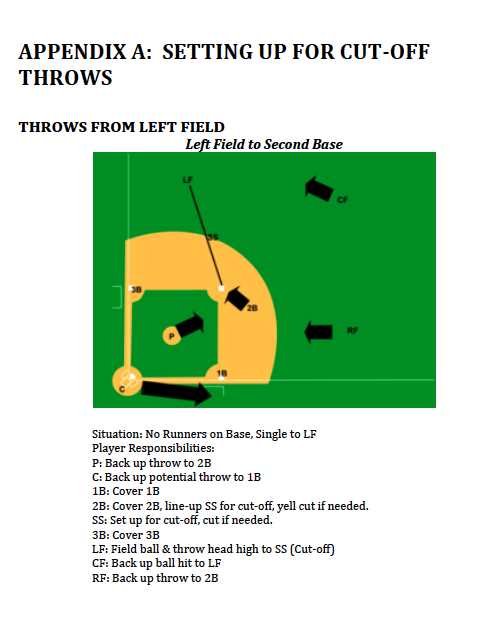
To maximize the effectiveness of your training, set specific goals for each session. Whether it’s improving defensive alignment or enhancing hitting mechanics, having a clear focus helps guide every drill. Avoid overwhelming your players by narrowing down the number of objectives for each practice.
Ensure that your drills are simple to follow, with clear instructions. Break each activity into manageable steps and explain the purpose behind each exercise. For instance, if you’re working on outfield communication, create scenarios where players must call for the ball and react quickly. This helps reinforce both skills and teamwork.
By keeping a structured outline of activities, you can monitor progress across multiple sessions. Having an organized visual guide allows you to adjust drills based on the team’s strengths or weaknesses. Regularly reassess what is working and what needs improvement to keep your sessions dynamic and focused.
How to Customize Softball Practice Plans for Different Skill Levels
Begin by assessing the current skill level of your players. For beginners, focus on basic fundamentals, such as proper stance, grip, and basic movement. Start each session with warm-up drills that familiarize them with the ball and their teammates. For more experienced players, integrate advanced techniques like reading pitches, bunting, or positioning strategies. Tailor each drill to match their skill set to avoid frustration or boredom.
For beginners, simplify the drills and make sure the instructions are clear and straightforward. Include repetitive exercises that build muscle memory, such as soft toss drills, basic fielding, and running to bases. Progressively introduce more complex activities, but always allow time for each player to master the basics before moving on.
For intermediate players, include drills that focus on both individual skills and teamwork. Work on positioning during different scenarios–such as ground balls or fly balls–and emphasize decision-making under pressure. This group will benefit from situational play, where players can practice making split-second choices in a controlled setting.
Advanced players need more intricate and challenging activities. Incorporate advanced pitching drills, speed training, and defensive alignments to refine their technique. At this level, you can push players with high-intensity drills like situational scrimmages or rapid-fire batting practice, where they must think and react quickly. Encourage them to focus on the mental aspect of the game, including game strategy and player communication.
Adjust the pace of each session according to the players’ skill level. Beginners might need a slower, more repetitive rhythm to grasp concepts, while advanced players should work at a faster tempo to improve reaction times. Ensure that each player stays engaged by varying the intensity and incorporating breaks for rest and recovery.
Make sure your drills offer both individual and team challenges. While some players may excel at batting, others may need more time on fielding or base-running. Customize the session so that all players are equally challenged. Mix individual skill development with collaborative tasks, like double plays or relay throws, to emphasize teamwork and collective performance.
Finally, track progress over time and adjust your approach accordingly. Regularly assess your players’ improvement and provide feedback. If necessary, tweak your drills to target any areas that still need work. As players develop, gradually increase the complexity of the drills to match their growing abilities.