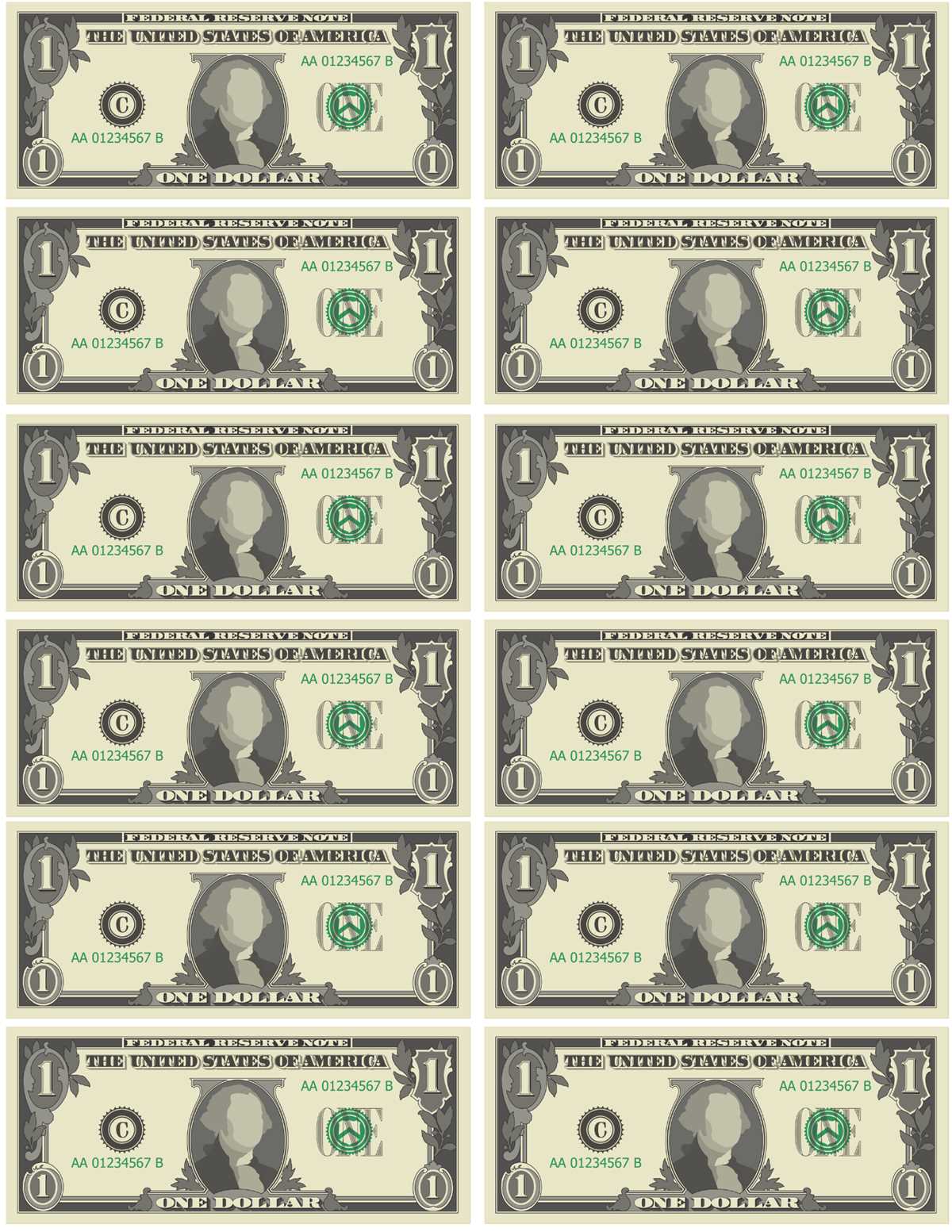
For hands-on activities or educational projects, you can easily print high-quality replicas of currency. Use a standard home printer and select the right paper for best results. The most suitable options are glossy or matte finish papers with a weight between 24-32 lb. These will provide durability and a more realistic look compared to standard printer paper.
Tip: Adjust your printer settings to the highest quality for the best detail and color accuracy. Many free online templates are available, featuring detailed designs and various denominations, ensuring an authentic appearance for your mock-up money.
When printing, be mindful of legal restrictions. While creating realistic-looking currency for fun is generally allowed, using it for fraudulent purposes or in a manner that could cause confusion with actual money is strictly prohibited. Always make sure your creations are clearly distinguishable from real banknotes.
Creating Realistic Replicas for Crafts and Learning
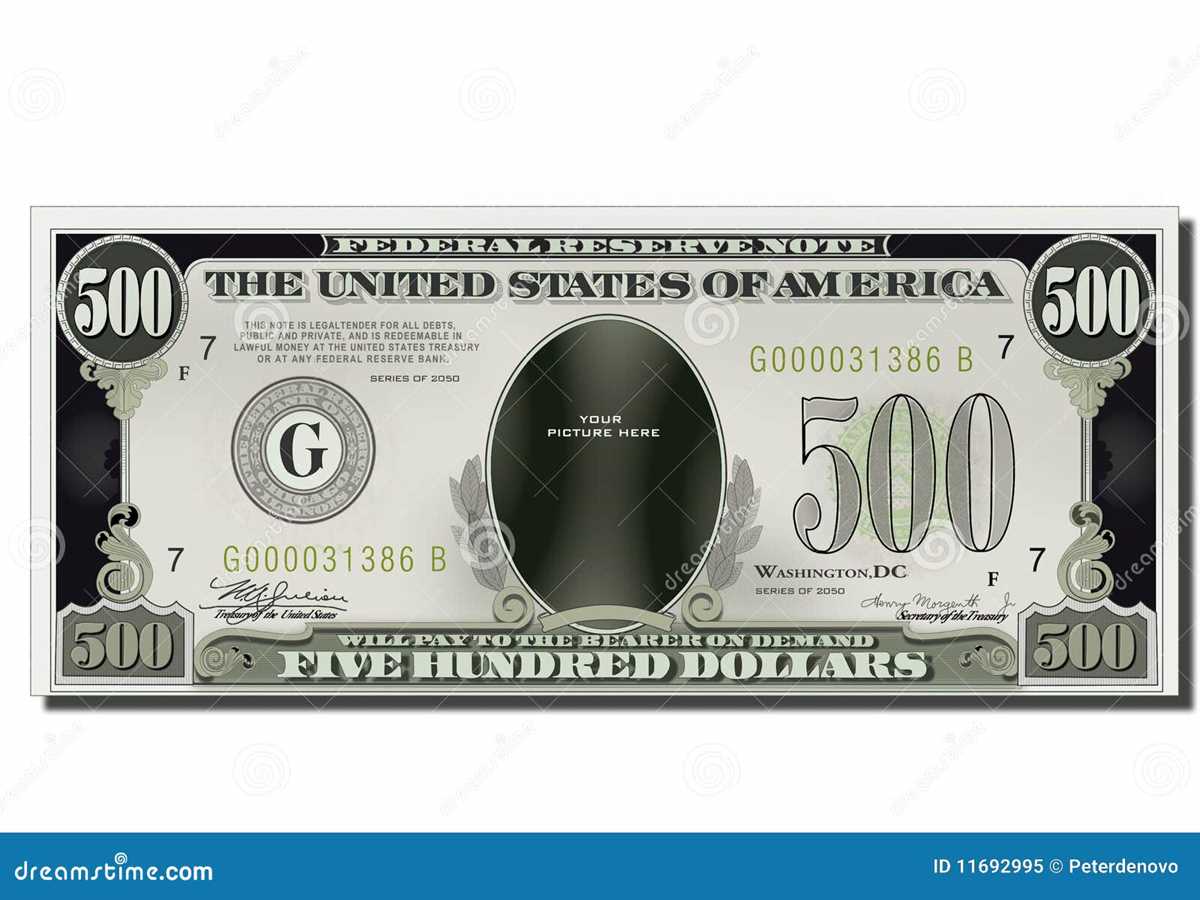
For an accurate reproduction of monetary designs, choose high-quality images with a resolution of at least 300 DPI. Print these on thick, textured paper to replicate the feel of real currency. A good choice is 32 lb paper or specialty paper designed for printing artwork, as it mimics the weight and thickness of authentic banknotes.
Ensure your printouts are scaled correctly to maintain proportion. Most templates are available in standard sizes, such as 6.14 x 2.61 inches, which is the approximate size of many modern notes. Pay close attention to color calibration; adjusting the printer settings for photo printing can make a significant difference in how realistic the colors appear. After printing, consider trimming the edges precisely for a cleaner finish, making your mock-up money look even more convincing.
How to Print a Fake Dollar Bill for Craft Projects
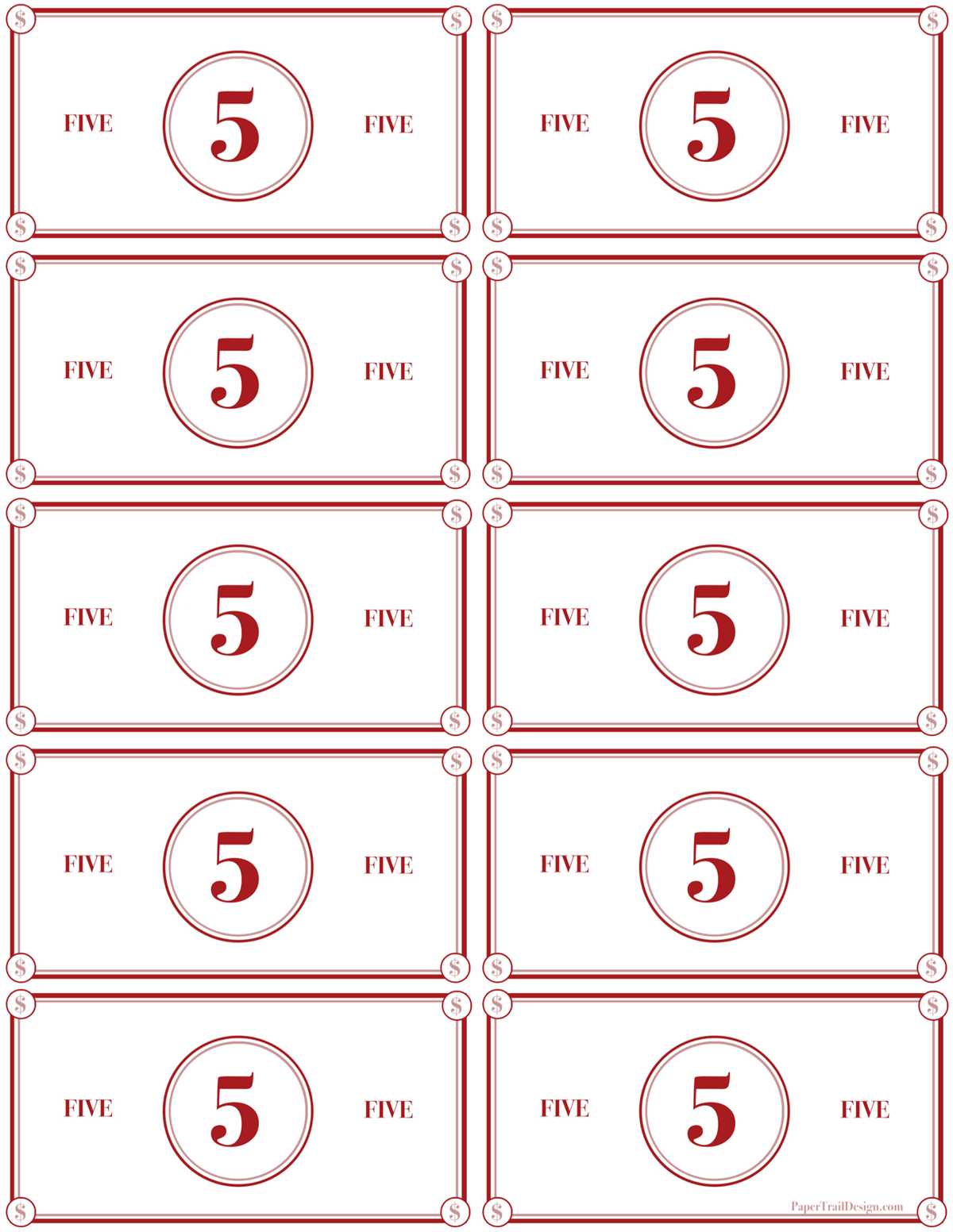
Start by selecting the right template. Numerous websites offer free downloadable templates that resemble real currency. Choose one that fits the style and size you need for your project. High-resolution images will produce clearer, more realistic results. Look for templates with a minimum of 300 DPI to ensure the print quality matches the original appearance of the notes.
Next, select the correct type of paper. A glossy or matte paper with a weight of 24-32 lb is ideal for printing realistic replicas. This weight mimics the feel of real money more accurately than regular printer paper. For an extra touch of authenticity, you can use a textured paper designed specifically for crafting or art projects, which gives your money a more tactile, lifelike quality.
Adjust the printer settings before you print. Set your printer to the highest quality to capture fine details in the design. Ensure you select the correct paper type setting on your printer to avoid issues with color accuracy and resolution. If your printer has a “photo” or “high-quality” option, make sure to use it for the best output.
Once your printer is ready, load the paper and align it properly. Make sure the template fits within the dimensions of your selected paper size to avoid cutting off any important details. After printing, allow the paper to dry for a few minutes, especially if you’re using inkjet printers, to prevent smudging.
Trim the printed sheets carefully to the correct size. Most notes are around 6.14 x 2.61 inches, but you may want to measure your template’s dimensions before cutting. Use a sharp paper cutter or scissors to achieve clean, precise edges for a more professional appearance.
Finally, consider adding extra touches to enhance the realism. For example, you can distress the edges of the paper slightly to mimic the worn look of real currency. Alternatively, using a light ink wash or a burnishing tool can add a more textured finish. These simple steps will make your replicas look even more authentic for your crafting projects.