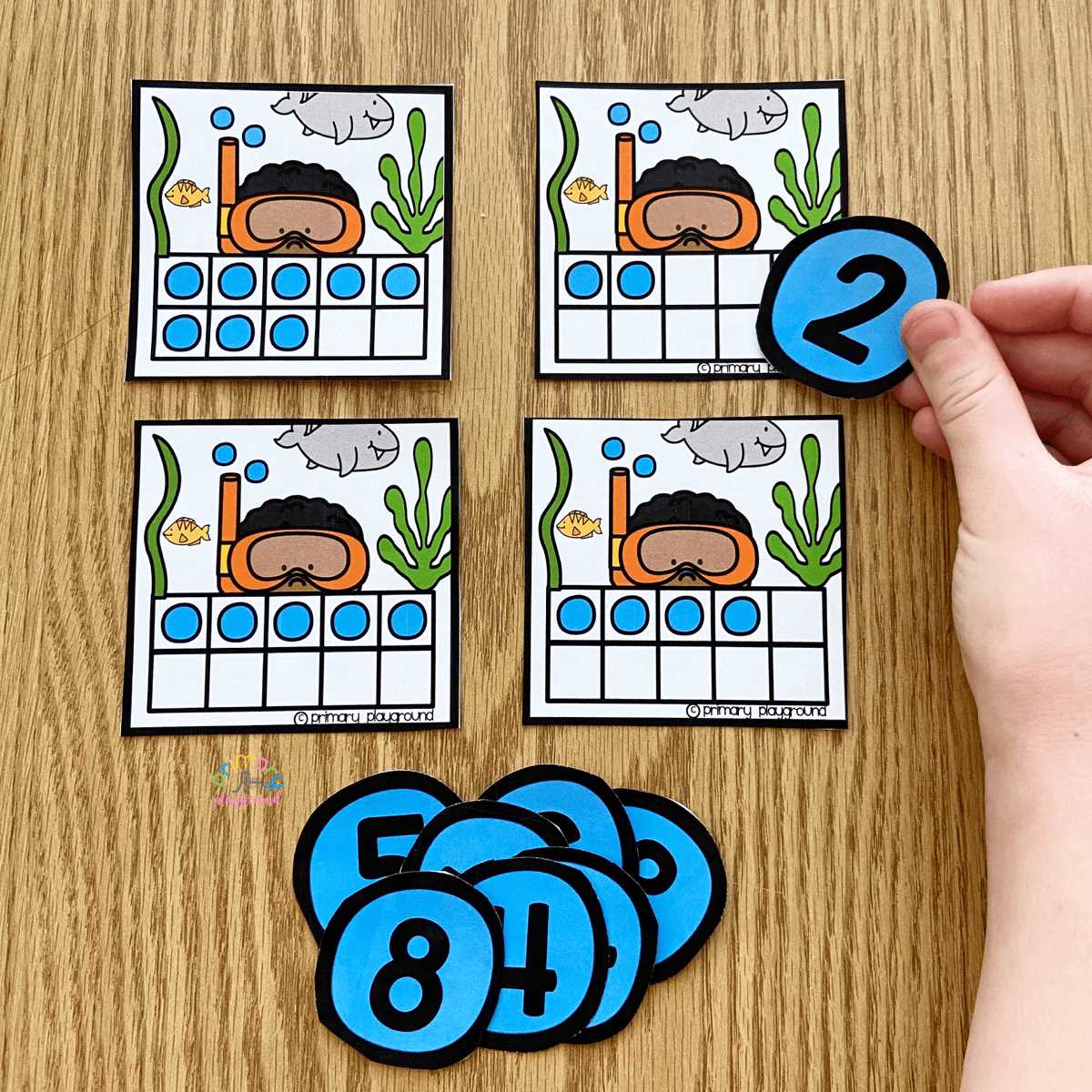
For young learners, visual aids are powerful tools to reinforce basic arithmetic concepts. A simple method to practice numbers, addition, and subtraction is by utilizing grids that display a set number of boxes. These can help children understand counting, grouping, and more, making early math lessons both engaging and effective.
When designing these resources, it’s important to create clear, easy-to-read grids. Each space should be large enough for students to visualize how numbers relate to one another. For example, representing a group of objects, whether dots or small images, can provide a concrete visual reference for abstract concepts.
To enhance the learning experience, you can also make these grids interactive. By filling the boxes with different objects, colors, or shapes, children can practice identifying numbers and quantities in a fun and hands-on way. Additionally, adjusting the design to suit various learning levels ensures that the material remains accessible as skills develop.
How to Use Ten Frames for Teaching Basic Math Skills
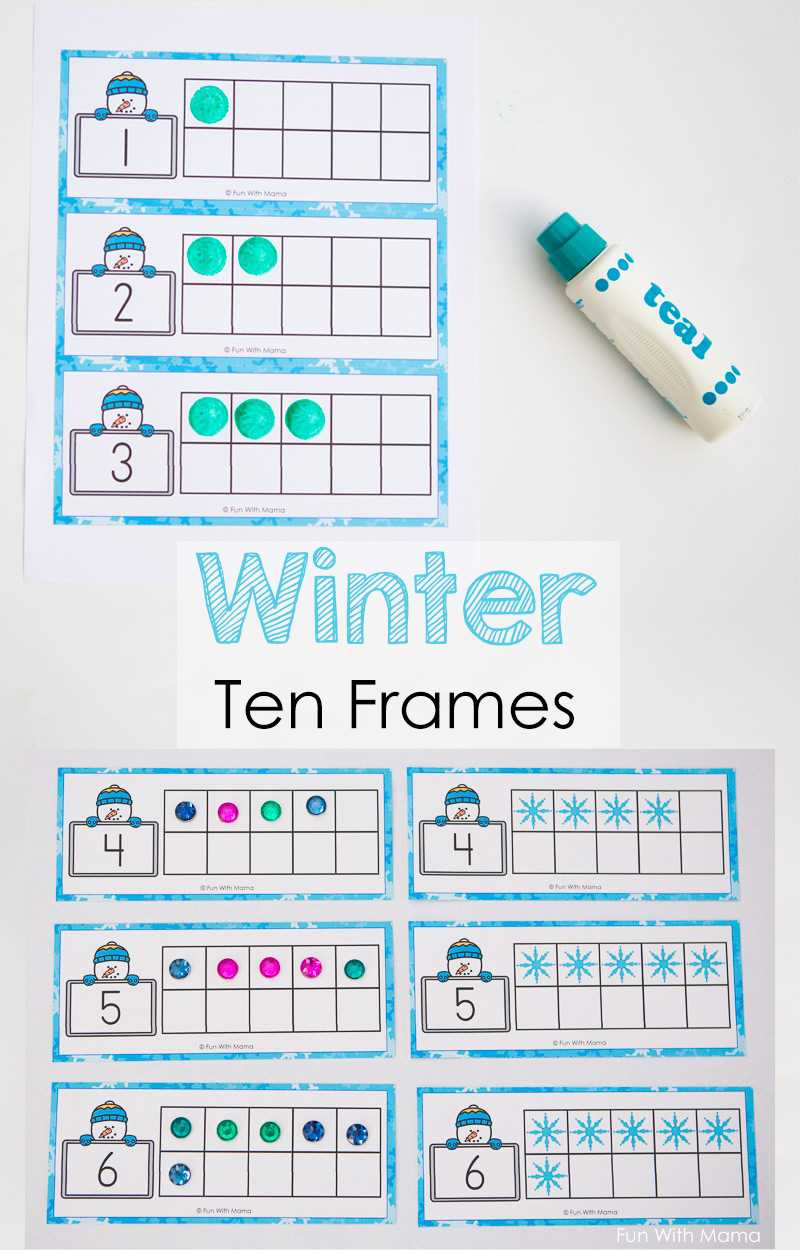
To introduce basic counting and number recognition, start by filling a set of boxes with counters or other visual elements. Each box should represent a unit, and the empty boxes will show the total number of items a child should count. Begin with simple exercises where children count the filled boxes and associate each box with a number.
Once students understand counting, introduce basic addition by adding items to the boxes. Ask children to predict how many objects are in the boxes before they count them, then guide them to check their predictions. This exercise reinforces the concept of addition through a visual representation.
Subtraction can be taught by removing objects from the boxes. Use this technique to show how numbers decrease as items are taken away. Ask students to count how many boxes are empty after objects are removed and practice subtracting numbers by visualizing the process on the grid.
For more advanced practice, combine addition and subtraction within a single grid. Have children solve problems such as, “If there are 4 objects in the boxes, and I add 3 more, how many are there in total?” Using the grid, children can visualize how numbers increase or decrease by adding or removing items.
Using a set of multiple grids can help students understand more complex concepts, like place value. Start with simple problems on one grid and gradually increase the number of boxes and items to introduce tens and ones. This will help students develop a deeper understanding of number structures.
Finally, customize the visual aid to suit the learning style of each student. Some may benefit from different colored counters, while others may prefer to use images that connect with their interests. Tailor the grids and exercises to keep students engaged and make the learning process enjoyable and effective.
Step-by-Step Guide to Printing and Assembling Ten Frames
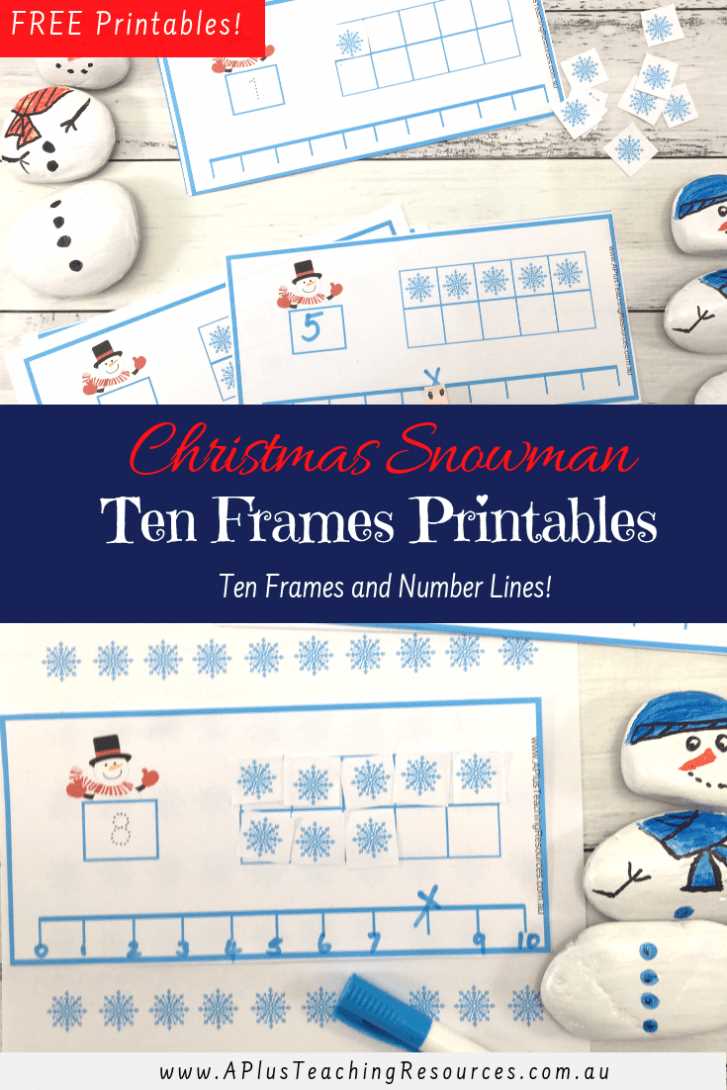
Start by selecting a design for the grid that suits your learning needs. Use a word processor or online tool to create a grid with spaces for 10 objects. Make sure the cells are large enough to hold small objects like counters, stickers, or buttons. After creating the design, print it on sturdy paper to ensure durability during repeated use.
Once printed, carefully cut out the grids and separate them. To assemble the frames, you can laminate them to make them more durable and reusable. If lamination is not available, consider using clear adhesive sheets to protect the printed grid. After assembling the frames, use markers or stickers to represent the numbers as children engage in counting exercises.
Creative Ways to Incorporate Ten Frames in Classroom Activities
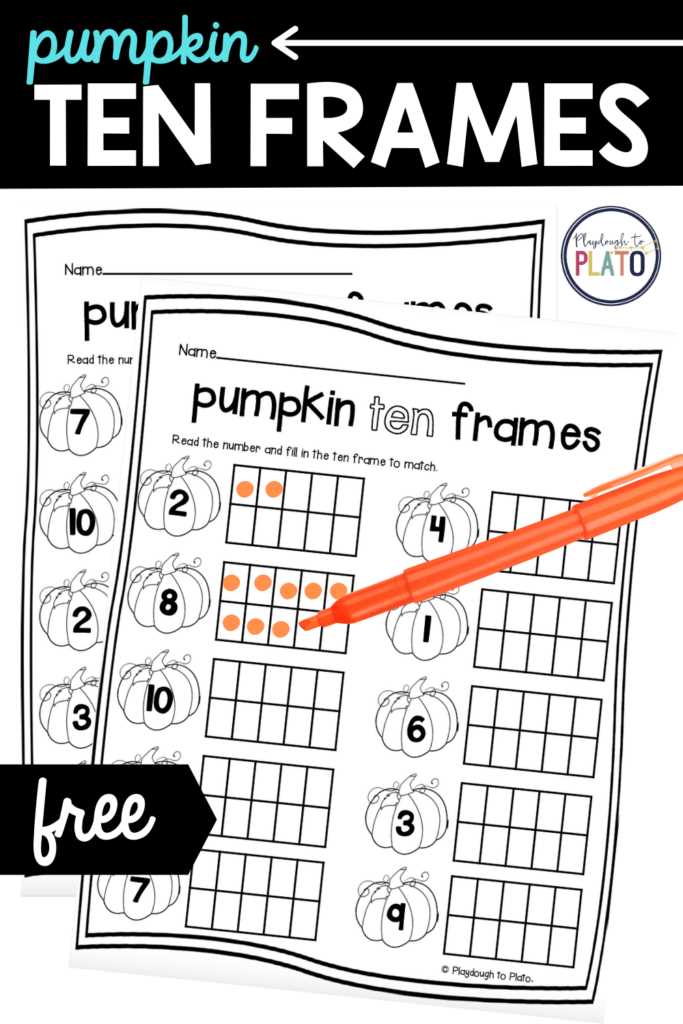
One engaging way to use these grids in the classroom is through interactive counting games. Divide the class into small groups and provide each group with a grid. Have students fill in the cells by rolling dice or drawing cards with numbers, helping them visualize quantities and practice addition or subtraction. You can also make it competitive by setting a timer and seeing which group fills their grid correctly the fastest.
Another approach is to integrate the grids into visual math challenges. For example, present students with a number and ask them to show that number using counters or other objects, filling in the appropriate number of cells. As a variation, you can also challenge students to represent simple math problems, such as 8 + 2 or 15 – 3, helping them link visual representations with mental math.