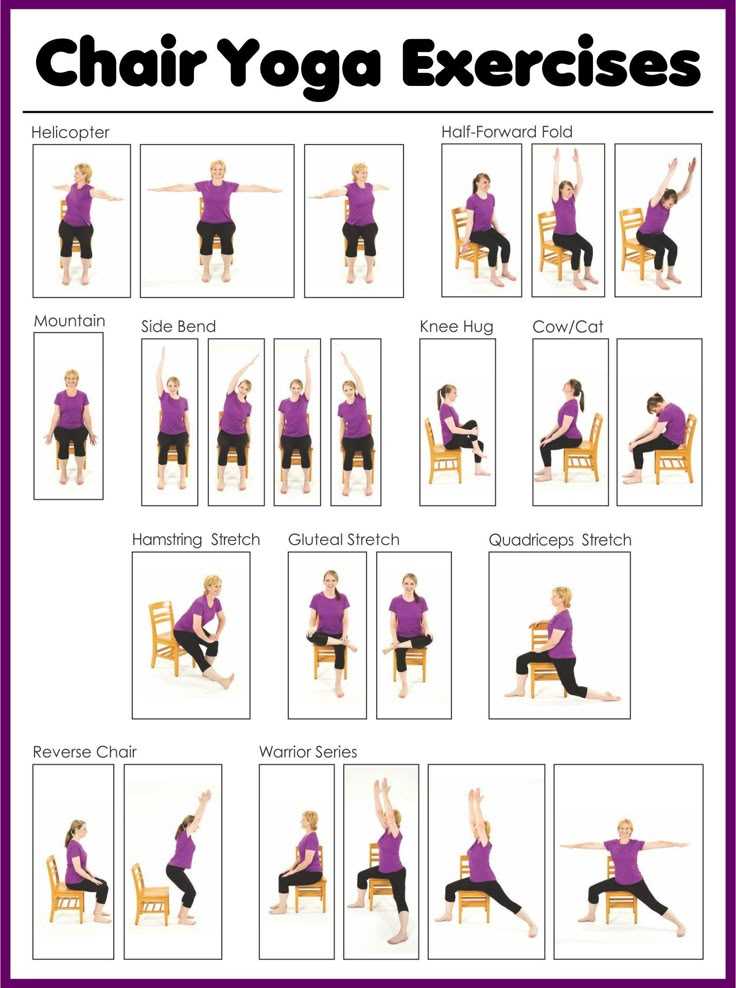
If you spend most of your day sitting, incorporate simple movements to improve circulation and reduce discomfort. Try doing leg lifts or seated twists during your breaks to stretch your muscles and avoid stiffness. These stretches are great for targeting areas that tend to tense up when sitting for long periods, such as the back, hips, and legs.
For a full-body routine, focus on strengthening exercises that don’t require you to leave your seat. Performing seated marches or seated knee extensions helps activate core and leg muscles without the need for special equipment. These movements can easily be done throughout the day, even while working or watching TV.
To build strength and flexibility, consider adding arm movements to your routine. Exercises like arm circles or seated overhead presses can help tone the arms and shoulders. These exercises are quick and easy to fit into your daily schedule and will ensure that your upper body remains engaged and flexible.
Effective Seated Exercises for Daily Fitness
For a quick and accessible fitness routine, focus on exercises that activate multiple muscle groups while sitting. Start with leg raises to strengthen your thighs and lower body. To perform, simply lift each leg one at a time while keeping your knee straight. Hold each lift for 2-3 seconds and repeat for 10-12 reps per leg. Another great move is the seated twist, which works your core and back. Twist your torso from side to side, holding each position for a few seconds to stretch and engage your spine.
Incorporate upper body movements such as arm circles or overhead presses. These movements target your shoulders, arms, and upper back. To do the arm circles, extend both arms out to your sides and rotate them in small circles, gradually increasing the size. For overhead presses, raise your arms overhead and lower them back down, mimicking the motion of lifting weights. By regularly doing these seated exercises, you can improve circulation, strengthen muscles, and increase flexibility without leaving your seat.
How to Perform Seated Exercises for Better Posture and Flexibility
Start with simple spinal stretches to promote better posture. One effective exercise is the seated spinal twist. Sit up straight, place your right hand on the back of the seat, and gently twist your torso to the right. Hold for 15-20 seconds, then switch sides. This exercise not only helps with flexibility but also encourages proper alignment of the spine, which is key for maintaining good posture.
Next, try shoulder rolls to release tension in your upper body. Roll your shoulders forward in a circular motion for 10 repetitions, then reverse the direction for 10 more. This movement helps alleviate stiffness and improves mobility in the shoulder joints, reducing discomfort from sitting too long.
Incorporate neck stretches to further relieve tension in the upper body. Slowly tilt your head toward your shoulder, hold for a few seconds, and repeat on the other side. This helps lengthen the muscles around the neck and shoulders, which often tighten when seated for long periods. Make sure to avoid jerky movements and maintain a gentle stretch.
To target your back and core muscles, try seated leg extensions. While sitting tall, extend one leg at a time and hold for a few seconds before lowering it back down. Repeat 10-15 times on each leg. This move strengthens the lower back and abdominal muscles, supporting proper alignment and stability during the day.
For hip flexibility, perform seated leg crosses. Sit with your feet flat on the ground and cross one leg over the other, resting your ankle on the opposite knee. Hold for 15-20 seconds and switch sides. This stretch helps open up the hips, which can become tight from prolonged sitting, and improves overall flexibility in the lower body.
Finally, engage your core with seated marches. Lift one knee at a time, as if marching in place, while keeping your torso stable. This exercise strengthens the abdominal muscles and enhances balance, both of which contribute to a stronger, more supported posture.