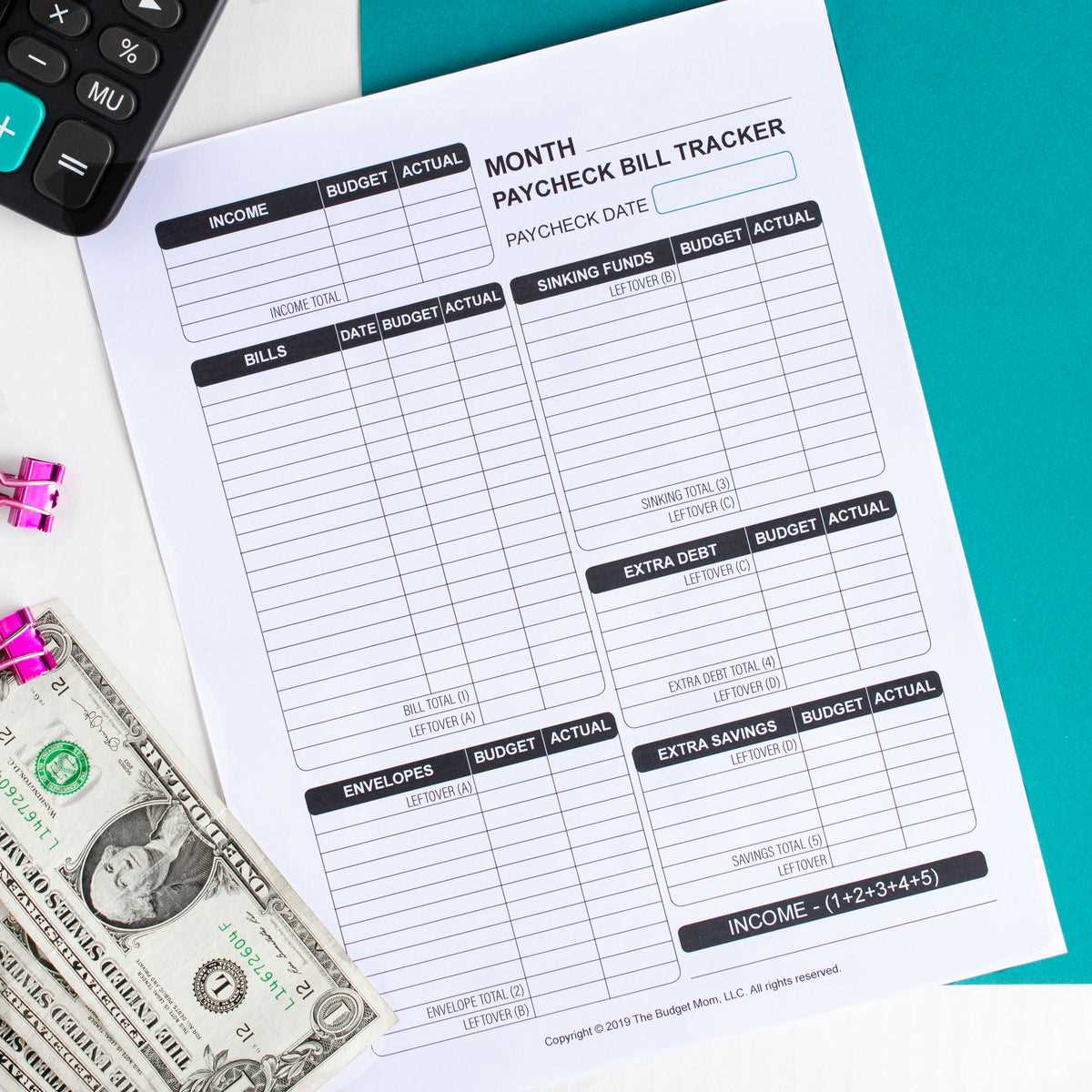
If you’re struggling to keep track of your monthly expenses, using a printable tool designed for each income cycle can make a real difference. By breaking down your expenses based on your regular earnings, you can ensure that every dollar is accounted for and prevent overspending. These tools allow you to visualize your income and outflow, making it easier to make adjustments when necessary.
To start, choose a template that highlights the most common categories of spending–such as rent, utilities, groceries, transportation, and savings. This allows you to get a clearer picture of where your money goes each cycle. Setting limits for each category will help keep your finances in check and avoid surprises when it’s time to pay bills or save for goals.
Regularly updating your tracking sheet after every income deposit will help you stay on top of your spending habits. Small adjustments can be made quickly if you notice that you’re spending too much in one area, giving you more control over your financial situation. By adopting this method, you make your finances predictable and less stressful over time.
How to Manage Your Finances with Simple Tools
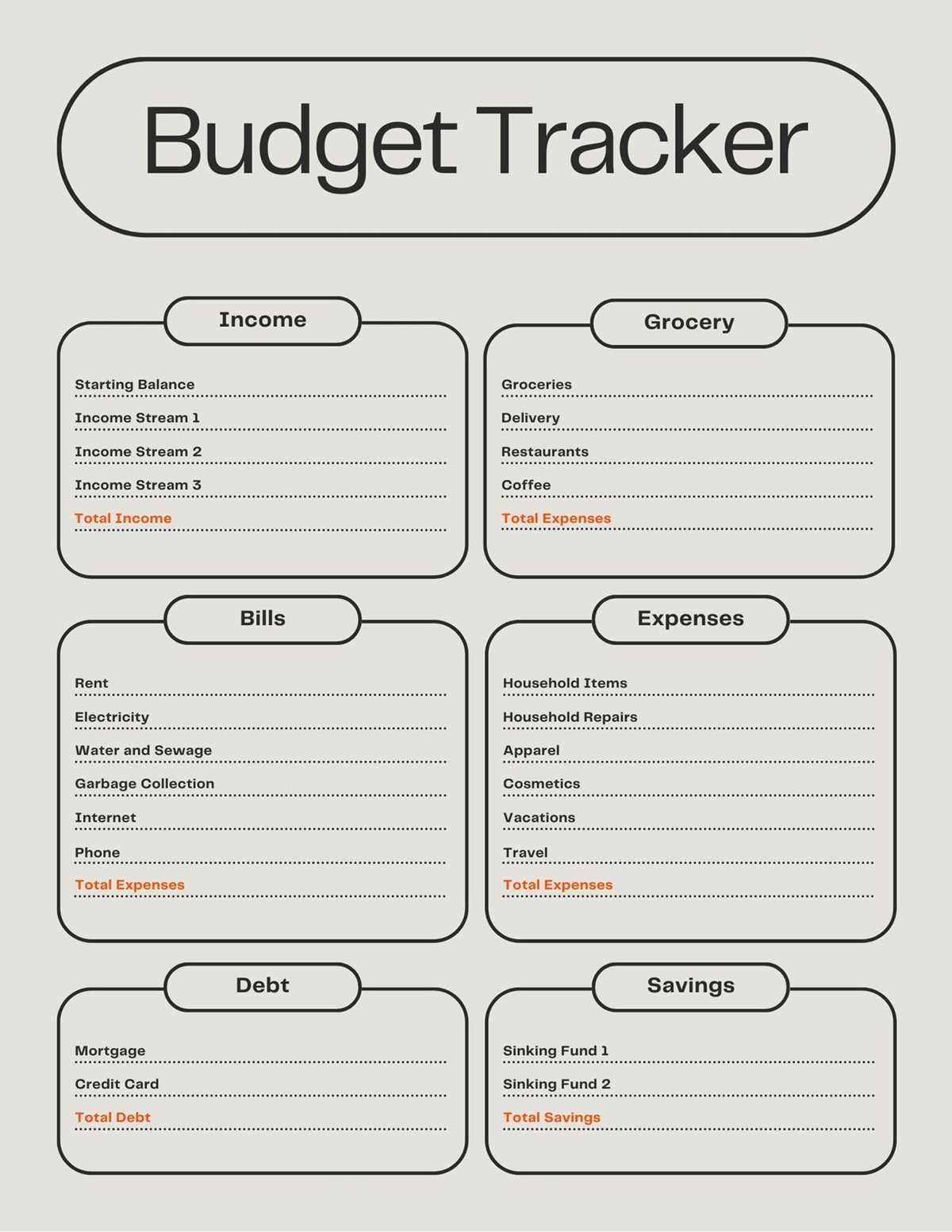
Using a system where you track your income and expenses for each pay period helps you stay organized. By using printable tracking sheets, you can clearly see where your money is going. Start by entering your fixed expenses–things like rent, utilities, and subscriptions–first. These don’t change from month to month and will give you a solid foundation to plan around.
Next, focus on variable expenses. Groceries, entertainment, and transportation may vary each time, so it’s important to have a realistic estimate for each category. Be mindful of fluctuating costs to avoid overspending. This will help you avoid running out of money before your next income cycle.
If you find it difficult to predict certain categories, keep a log for a couple of months. Look for patterns in your spending habits and adjust your estimates. This practice helps improve accuracy and reduces the stress of guessing your monthly expenses.
After entering your income and expenses, don’t forget to include your savings goals. Having a set amount to save each pay period can help you build up your emergency fund or save for big purchases. Even small contributions to savings can add up over time.
Now, focus on setting spending limits. Once you’ve categorized everything, determine how much you’re comfortable spending in each area. If a certain category feels too high, look for areas where you can cut back. Cutting back on eating out or entertainment can free up cash for other priorities.
Review your income and expenses regularly. Life is unpredictable, and your spending habits may change over time. Adjusting your template each month will keep it in line with your actual needs. You can even add extra categories or adjust existing ones as you see fit.
Keep track of your progress. If you notice that you’re consistently underspending in one category, consider reallocating those funds to savings or to another area that needs attention. Small tweaks like this help you stay on top of your financial situation.
Lastly, remember to treat these tools as flexible guides, not rigid rules. They’re meant to help you stay on track, but life happens. If you need to move money around or adjust your goals, that’s okay. The key is consistency and regular updates, not perfection.
How to Create a Printable Template for Each Income Cycle
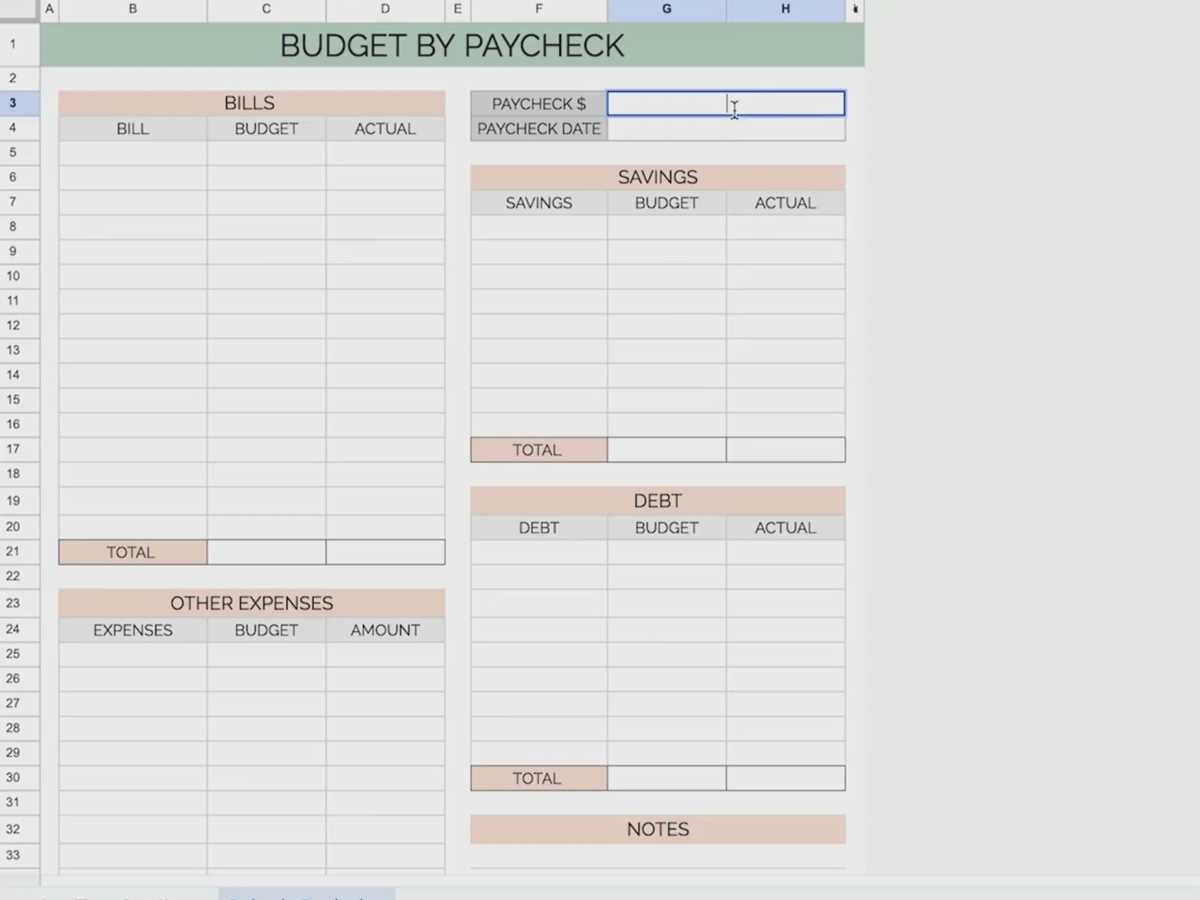
Start by determining the key categories that reflect your financial obligations and goals. Include fixed costs like rent, utilities, and subscriptions, and add a section for variable expenses like food and transportation. These should be clearly separated so you can see at a glance where your money is going.
Next, design a space for income tracking. Under each entry, include a column for actual amounts and one for your planned expenses. This will help you compare your expectations to reality and highlight areas where adjustments may be necessary. It’s also helpful to include a section for savings goals, where you can track progress.
Finally, ensure there is room to make notes. Unexpected expenses can arise, and being able to jot down adjustments will help keep your financial planning flexible. Make sure the template is simple and easy to update, allowing for adjustments as your financial situation evolves.