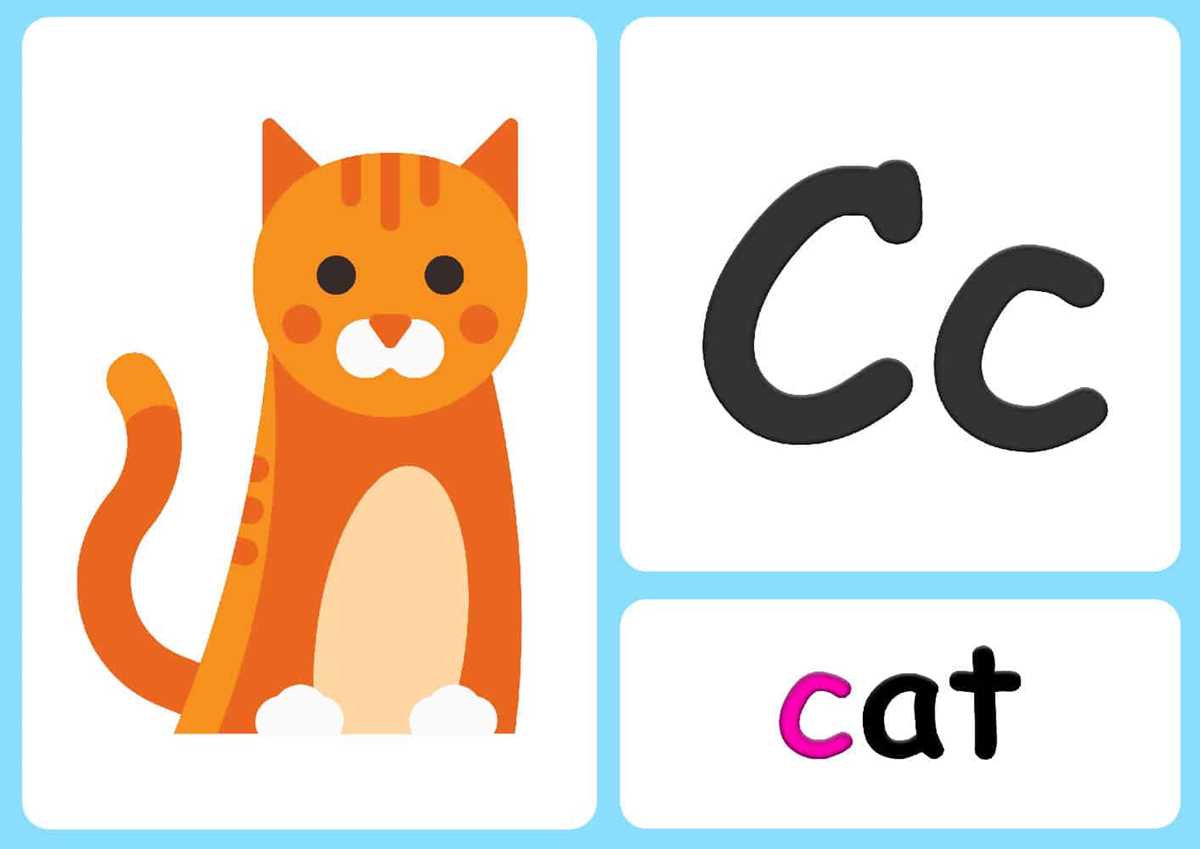
For effective teaching of young children, using visual aids is one of the most productive methods. Designing custom educational resources like letter cards can help reinforce language skills and foster recognition. By using high-quality designs, you can create engaging materials tailored to different learning styles.
When selecting the right educational tools, ensure they are visually appealing and easy to understand. Opt for bold, clear fonts and images that make the material accessible and fun. The size and color contrast of the text and background also play an important role in ensuring readability and attention retention.
Additionally, consider interactive elements that can turn learning into an enjoyable activity. Incorporating pictures, drawings, and familiar objects into each visual representation can enhance memorization and assist in building a strong vocabulary foundation. By incorporating both letters and related words or images, the concept becomes more tangible for children to grasp.
ABC Learning Resources for Early Childhood Education
Start by choosing cards with bold, clear letter designs to help children quickly recognize each character. The use of large, simple fonts allows young learners to focus on the essential elements of each letter, which is critical for their early language development.
Incorporating familiar images alongside the letters helps connect the shapes with actual objects or animals. For instance, pairing the letter “A” with an apple or an “F” with a fish enhances understanding by providing visual associations that children can easily remember and recall.
The format of these resources plays a key role in their effectiveness. For best results, ensure each card is large enough to be easily viewed from a distance, and use high-quality paper or cardstock to enhance durability during repeated use.
Interactive games or activities can be paired with these materials to strengthen engagement. For example, you can ask children to match the letter to a corresponding object, or spell out simple words using the cards. This hands-on approach deepens their connection to the learning process and improves retention.
Finally, consider personalizing the cards to fit specific learning goals. This could involve using different colors, fonts, or images based on the child’s interests, helping to make the learning experience more tailored and enjoyable.
How to Create Custom ABC Flashcards for Young Learners
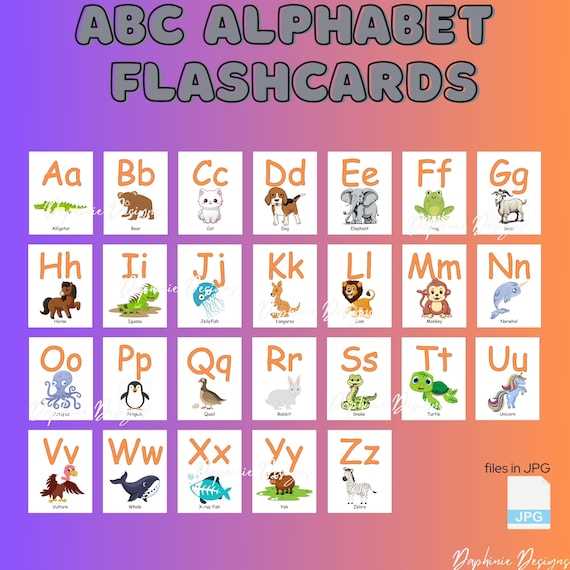
Begin by selecting clear, large fonts for each letter. Simple sans-serif styles work best for younger children, as they are easy to read and distinguish. Avoid overly decorative fonts that might confuse them.
Pair each letter with a relevant image. For example, for the letter “B”, use a picture of a ball. Images should be simple, colorful, and easily recognizable. This visual connection helps children associate the letter with an object, enhancing learning.
Make the cards durable by printing them on thick paper or using laminated sheets. This ensures the cards can withstand repeated handling, especially with younger children who may be rough with their learning materials.
Consider adding tactile elements, such as textured surfaces or 3D objects attached to the card. These sensory details will further engage the child’s focus and enhance the learning experience by involving touch alongside visual recognition.
Personalize the cards by incorporating the child’s interests. If they love animals, use animal-themed images. Customizing the cards based on their preferences can increase engagement and motivate them to practice more regularly.