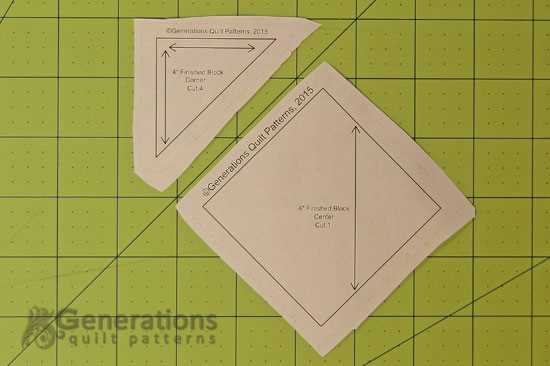
Start with choosing the right patterns and designs for your quilt. Search for reliable sources offering clear and accessible options to make your project a success. There are numerous websites that offer a wide variety of patterns, whether you’re making a traditional patchwork or trying something more modern. The key is finding designs that match your skill level and the materials you plan to use.
Once you’ve selected a design, print it in the size you need and prepare your fabric. This step is crucial for ensuring that each piece fits together seamlessly. Some designs come with instructions on how to arrange the pieces, helping you visualize the finished product before you begin stitching. Don’t forget to test the printout with a fabric sample to check accuracy and fit before cutting your main material.
If you’re new to this, focus on simple geometric shapes that are easier to cut and stitch. Over time, as you gain confidence, you can move on to more intricate patterns. This approach helps in avoiding frustration while allowing you to refine your technique as you progress through different projects.
Printable Quilting Templates Guide
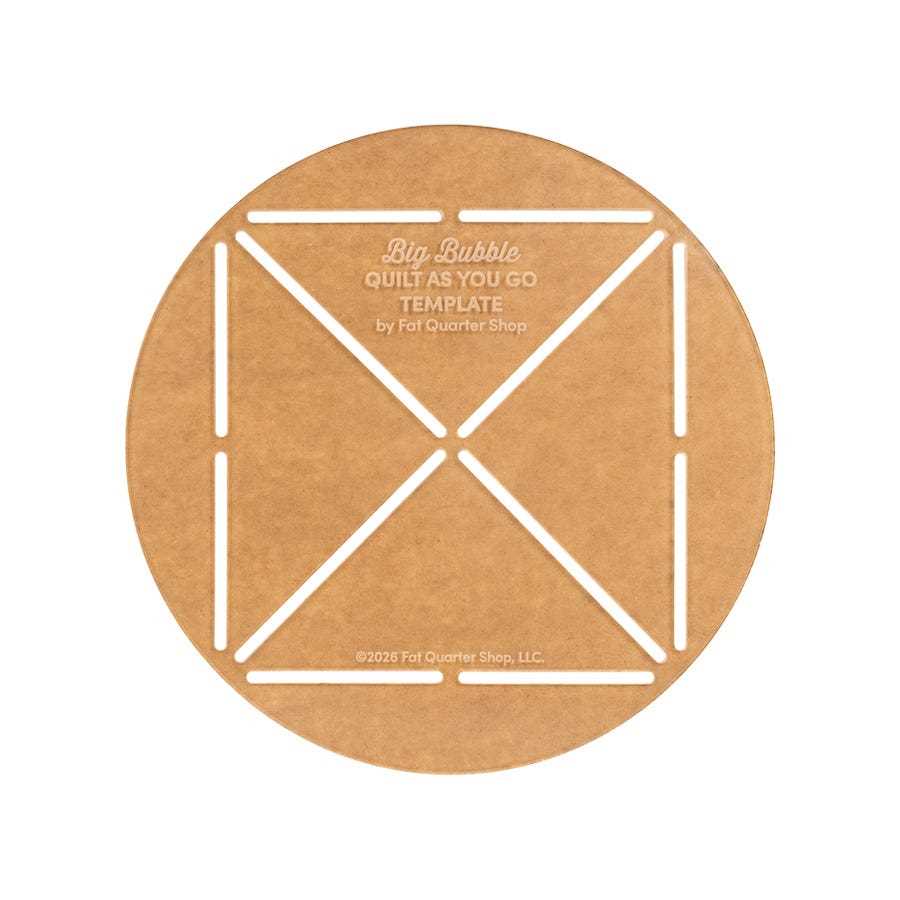
Choose your designs carefully by focusing on the complexity and fit for your fabric. There are a wide range of options available online, from simple patterns for beginners to more advanced ones for seasoned quilters. Start by downloading the design that suits your skill level and the quilt you’re creating.
After you have selected a pattern, print it out on standard paper. Ensure the scale is accurate by printing a test sheet first to check if the measurements match your desired fabric dimensions. Many designs offer specific instructions on resizing if needed, so follow those guidelines to maintain consistency throughout your project.
When cutting out your pieces, use a rotary cutter or fabric scissors to ensure clean edges. Lay the printed design on your fabric, pinning the edges to secure the pattern in place. For smoother results, consider using fusible interfacing to stabilize the fabric before cutting.
Use high-quality fabric to avoid any stretching or fraying as you work with your design. Cotton is generally the most versatile fabric and works well with most patterns. If you’re tackling a more intricate design, use a fabric that holds its shape better, such as linen or canvas.
It’s helpful to number the pieces or use a color-coding system to keep track of your components. This will make assembly easier, especially for complex patterns. Keep the pattern handy while you stitch to ensure that you’re following the correct sequence of steps.
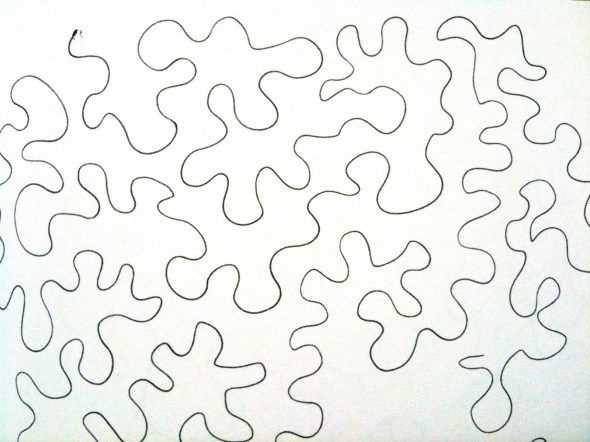
For those new to sewing, start with geometric shapes or simpler patterns like squares and triangles. These are easier to cut and stitch, and you’ll develop the necessary skills to handle more complicated designs over time.
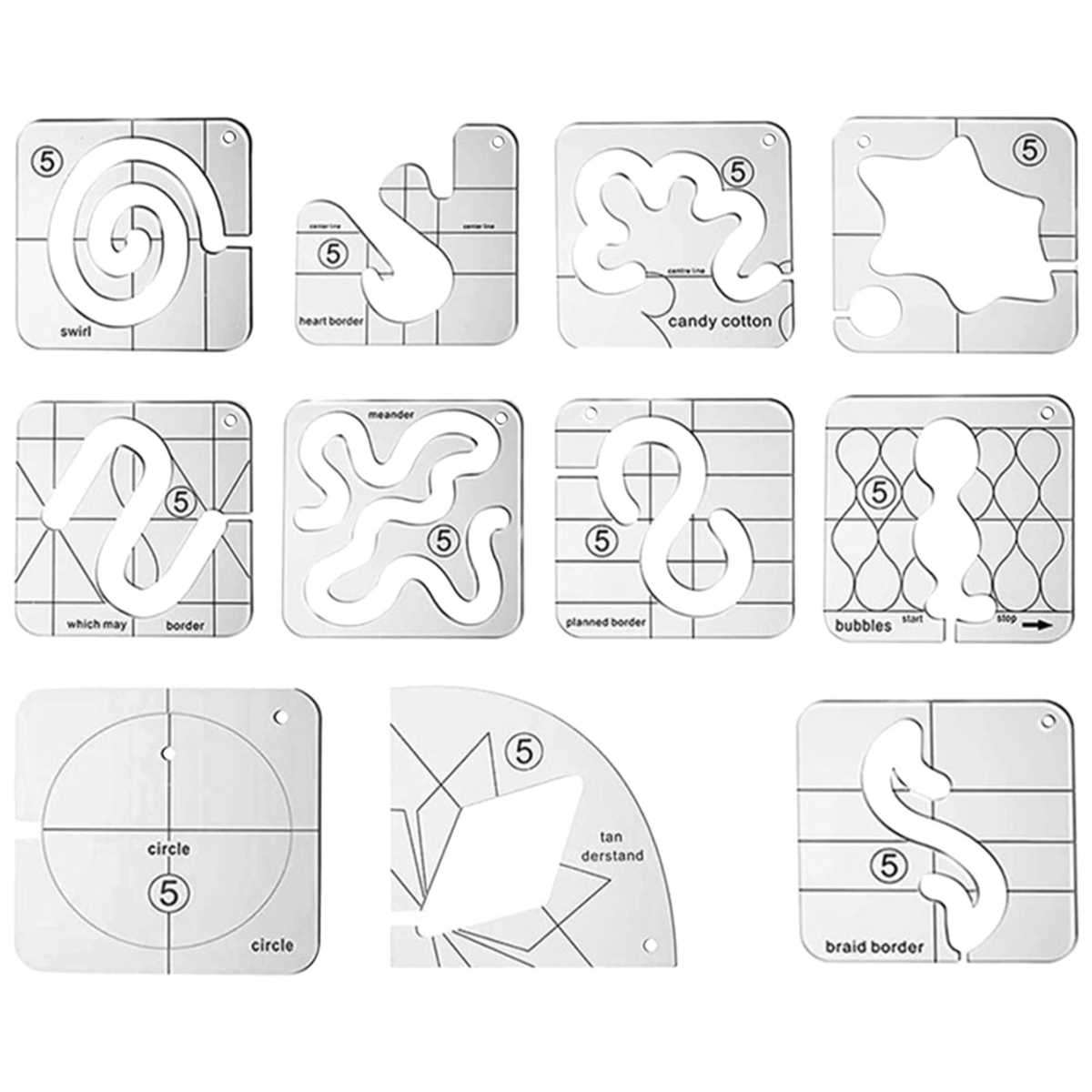
Finally, after completing the stitching, press your seams carefully to avoid puckering or distortion. A good pressing will help maintain the sharpness of the edges, giving your project a polished look.
Where to Find High-Quality Quilting Templates Online
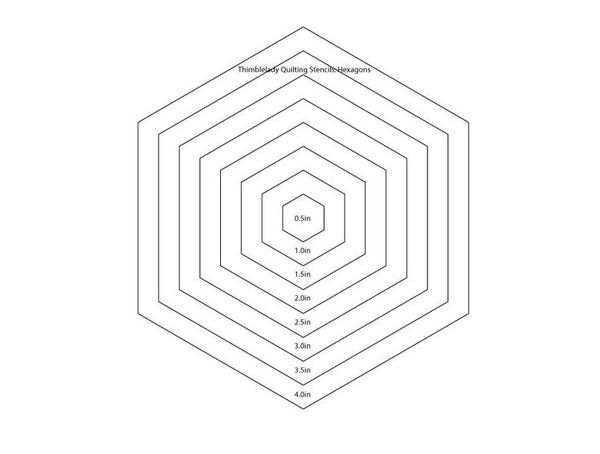
Start by checking popular crafting websites that offer a wide range of designs. Websites like Craftsy and Etsy often feature printable options designed by experienced crafters and designers. These platforms provide a variety of patterns, from basic blocks to intricate designs, and many offer instant downloads for convenience.
Another good source is specialized quilting blogs and forums. Many bloggers share free or paid designs along with tips on how to use them effectively. Sites such as Missouri Star Quilt Company and Quiltmania regularly release new patterns and often provide detailed instructions that guide you through the stitching process.
For those looking for a more personalized experience, consider visiting digital marketplaces like Creative Market or The Hungry JPEG. These platforms feature a curated selection of digital products, including patterns specifically created for different sewing techniques. They often include reviews, so you can gauge the quality before purchasing.
Online marketplaces like Amazon also offer quilting guides and pattern books. While not always downloadable, many of these books contain detailed, high-resolution designs that can be traced and used for fabric work. Check the reviews to ensure the designs have clear instructions and come with good-quality images.
Finally, you can also explore social media groups and Pinterest. Many quilters share their designs in these communities, offering them for free or at a low cost. Pinterest is particularly useful for finding a wide array of styles, with easy links to download and print patterns that match your project needs.