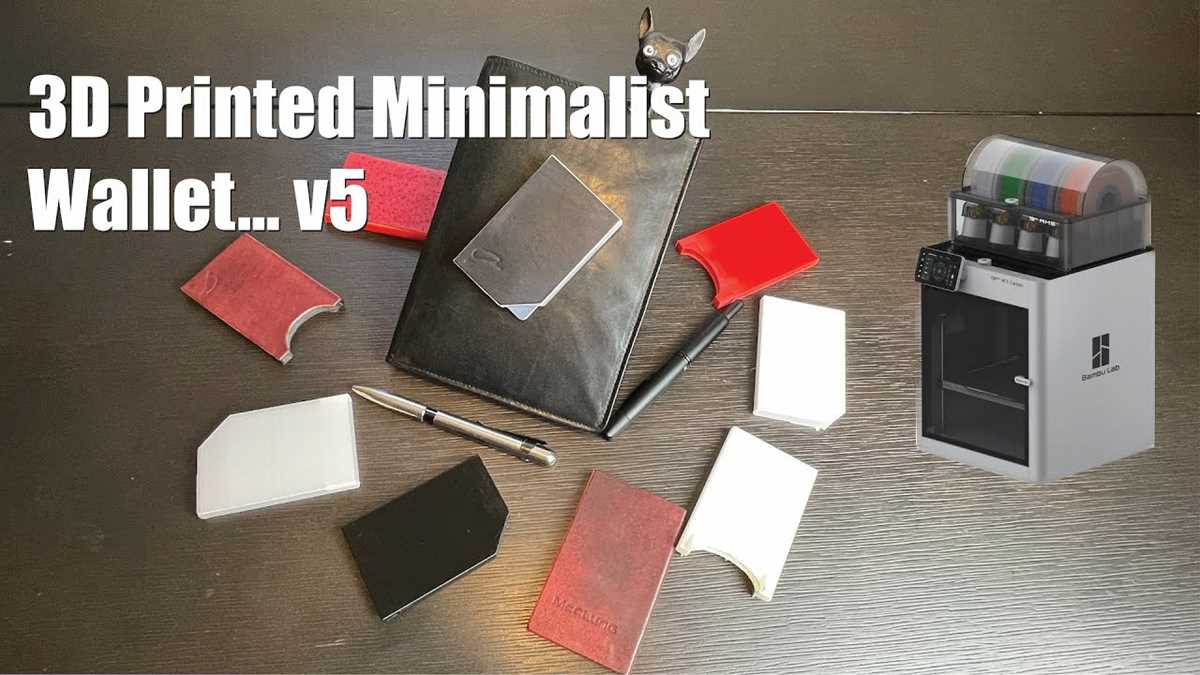
Design your own card holder at home using a 3D printer. With the right file and material, it is possible to create a sleek, durable, and personalized accessory tailored to your specific needs. Whether you prefer minimalistic designs or something more robust, 3D printing allows for a high level of customization that traditional manufacturing simply cannot match.
Instead of settling for generic store-bought models, you can choose the exact dimensions, color, and texture you want, all while ensuring a perfect fit for your cards. This is particularly useful for people who are looking for a more compact, ergonomic alternative to bulky, mass-produced options. The flexibility of 3D printing lets you experiment with different styles and structural designs that offer better organization, faster access, and greater portability.
By printing your own card holder, you also take full control of material selection, choosing from eco-friendly filaments, flexible plastics, or even stronger composites for extra durability. The design possibilities are nearly limitless, and with the right printer and settings, the resulting product can be both stylish and functional. Customization doesn’t stop with aesthetics–add slots, compartments, or even RFID-blocking features to enhance security and convenience.
HTML
3D Printable Wallet: A Practical Guide
Choose a durable, flexible filament for making your accessory. TPU (thermoplastic polyurethane) is a popular option for its elasticity, allowing the item to expand and return to shape after use. Avoid brittle materials like PLA, as they are more likely to crack under pressure. A high-quality design is key to ensuring longevity–focus on intricate mechanisms or embedded RFID protection if required.
Ensure that the 3D model is optimized for your printer. Test the design for support structures and minimal waste. Using multiple parts that can be assembled after printing often helps create more durable results and makes post-processing easier. Consider designs that incorporate compartments for cards, coins, and other small items, but avoid excessive complexity that could interfere with the assembly process.
HTML
Choosing the Right Material for Your 3D Printed Accessory
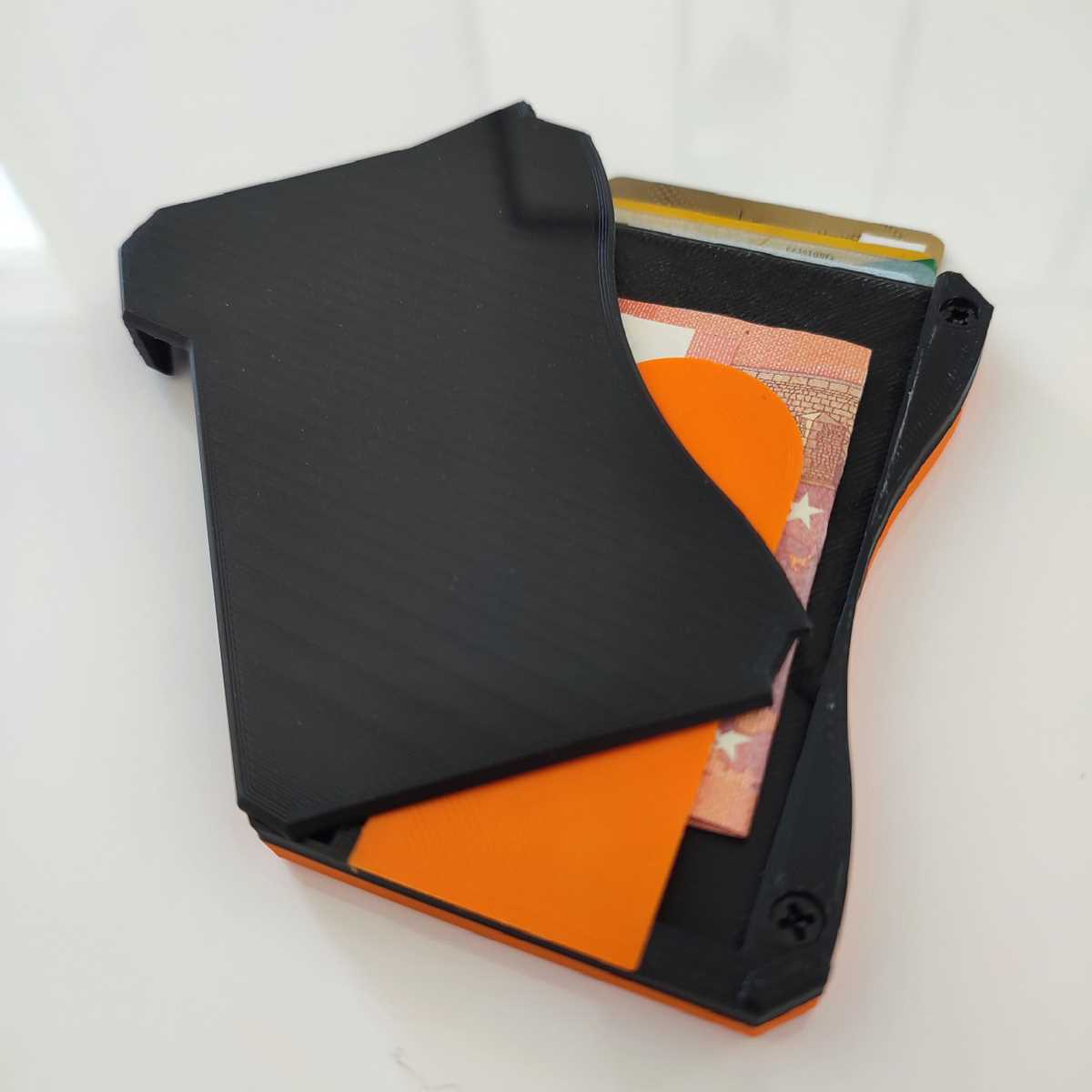
For durability and flexibility, polycarbonate (PC) is a solid choice. This material offers high impact resistance, making it ideal for items subject to daily wear and tear. Its ability to withstand stress while maintaining form is a distinct advantage. Choose PC if your accessory will undergo frequent handling and if resilience is a priority.
PLA (Polylactic Acid) is a suitable option for those looking for ease of use and eco-friendliness. It is biodegradable and prints with minimal issues, but it lacks the toughness of PC. PLA works best for smaller items or those that won’t be exposed to extreme conditions. It’s great for beginners due to its simplicity in printing but less optimal for durability.
If weight is a concern, consider using nylon. It’s lightweight yet stronger than many other materials. Nylon has excellent wear resistance, making it perfect for long-term use in functional pieces. Its smooth surface also provides a premium feel, which is appealing for products that are handled often, such as those carried in pockets.