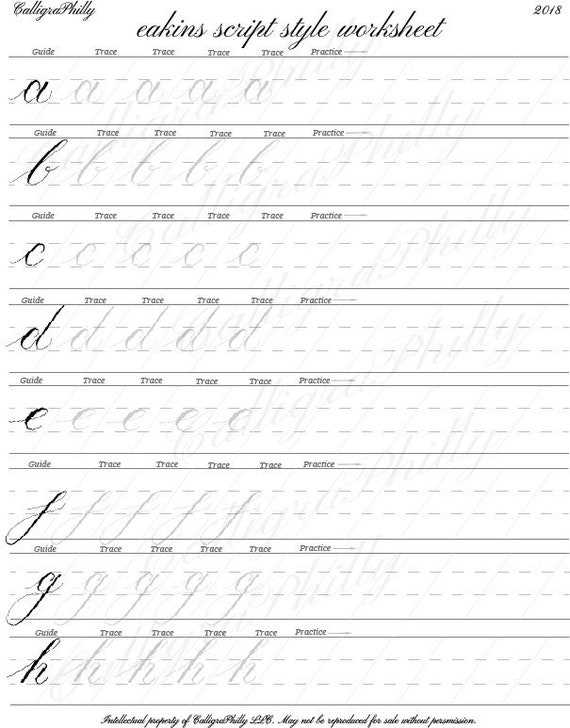
Choose worksheets with clearly marked baseline, x-height, ascender, and descender zones to control proportions from the first session. For pointed-pen styles, look for slant guides set at 52–55 degrees; for broad-edge scripts, select versions that include nib-width measurements (e.g., 5 nibs for x-height). Files in A4 and US Letter formats prevent scaling errors during printing and keep stroke contrast consistent.
Select sets that separate stroke drills from full character forms. Pages with ovals, underturns, overturns, and compound curves improve muscle memory faster than jumping straight to complete letterforms. A structured sequence–basic strokes → lowercase set → capitals → ligatures–reduces retracing and uneven pressure. Prefer PDFs at 300–600 dpi to maintain sharp guideline edges and avoid blurry reference shapes.
Print on 90–120 gsm smooth paper for brush markers and 120–160 gsm for dip pens to limit feathering. Use light gray guidelines (10–20% black) so they remain visible without competing with ink. If you practice daily, bind sheets into a thin workbook or store them in a clear sleeve binder to track progress and compare spacing, slant consistency, and stroke contrast week by week.
Rotate between monoline and contrast-heavy scripts to develop control across tools. Include versions with traceable outlines and blank guideline pages for freehand repetition. Keep margins at least 15 mm wide to avoid clipping on home printers, and disable “fit to page” to preserve intended proportions.
HTMLCalligraphy Alphabet Printable
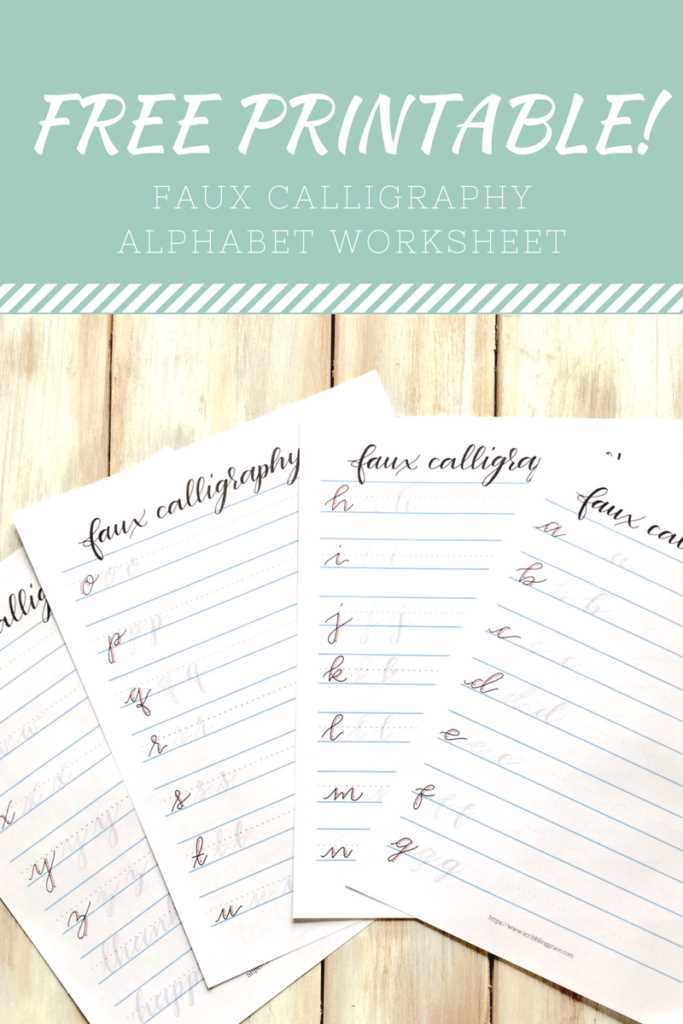
Select a lettering practice sheet delivered in vector PDF or SVG at 300–600 dpi with proportional guides: baseline, mean line, ascender, and descender zones clearly separated by 5 mm spacing. Choose layouts that display stroke sequence numbers and directional arrows, plus slant lines set between 52° and 55° for pointed nib scripts or vertical grids for upright forms. Ensure x-height equals 4–5 nib widths for broad-edge tools and maintain 1 nib-width spacing between characters to control rhythm and density. Provide separate pages for majuscules, minuscules, and figures to isolate drills and avoid visual congestion.
Adjust output scale between 95% and 110% based on tool width and hand control, and disable automatic page fitting to preserve angle accuracy. Use smooth 120–160 gsm stock for brush markers to reduce bleed-through and 90–100 gsm paper for pencil-based repetition. Prepare one version with 30% gray model glyphs for tracing and another with blank guidelines for freehand sets of at least three rows per symbol. Store sheets in transparent sleeves and practice with water-based ink to extend usability without constant reprinting.
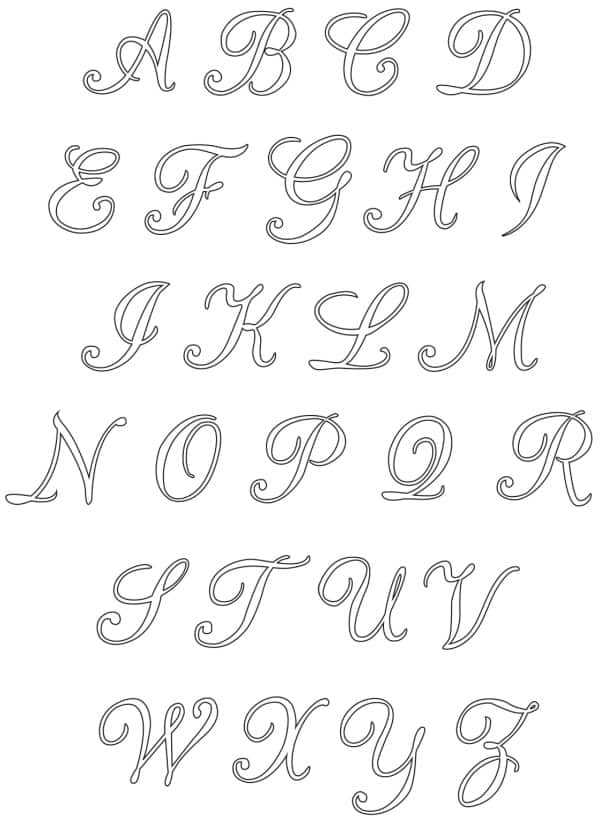
How to Choose the Right Calligraphy Alphabet Printable by Script Style Skill Level and Paper Size
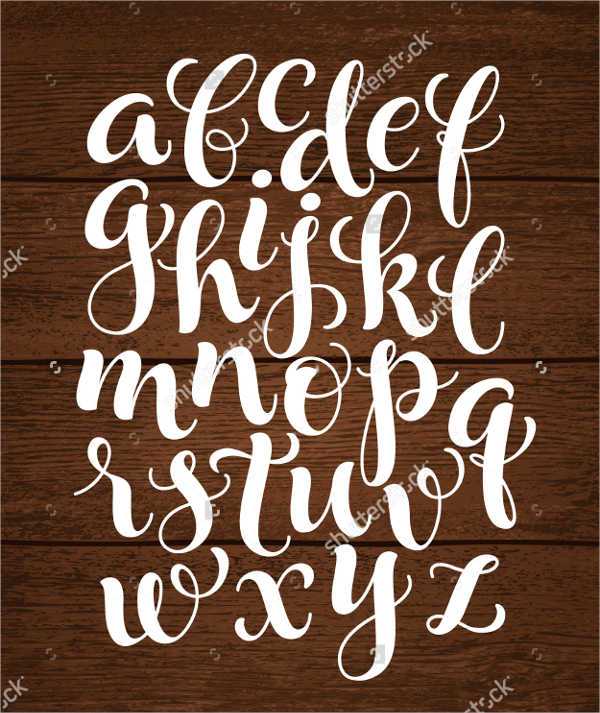
Select a lettering sheet that matches your actual pen control, not your ambition. If your strokes wobble at 3–4 mm x-height, download guides with a 6–8 mm body height and clearly marked baseline, waistline, ascender, and descender zones. Larger proportions reduce strain and make pressure transitions easier to manage with brush pens or flexible nibs.
Choose the script style based on tool and purpose. For pointed pen practice, use copperplate or modern script models with 52–55° slant lines and thin upstrokes; for broad-edge nibs, pick italic or foundational hands with 30–45° pen angle indicators. If the goal is wedding envelopes or logo lettering, favor flowing connected forms; for journaling or study notes, opt for semi-connected or upright variants that maintain legibility at 9–11 pt equivalent size.
- Beginner: large x-height (6–8 mm), heavy stroke contrast examples, dotted tracing paths, spacing boxes between letters.
- Intermediate: medium x-height (4–6 mm), light slant guides, exit/entry stroke markers, minimal tracing.
- Advanced: small x-height (3–4 mm), no tracing, only baseline and slant grid, exemplar row at top.
Match page size to printer margins and binder system. For US users printing at home, Letter (8.5×11 in) with 0.5 in margins prevents clipping on standard inkjets. If storing in European planners, use A4 with 12 mm inner margin for hole punching. Scale at 100% to preserve proportions; avoid “Fit to page,” which distorts slant angles and spacing.
Check line weight and contrast before downloading. On a 600 dpi printer, hairlines under 0.2 pt may break; choose files with at least 0.3 pt guide lines and 60–80% gray grids to keep focus on strokes. For brush markers on 120–160 gsm paper, wider drill rows (10–12 mm line spacing) prevent feathering and allow full pressure range without touching adjacent lines.
- Print one test page on 90–100 gsm copy paper to verify alignment.
- Evaluate spacing: 1–1.5 nib widths between letters for pointed pen, 1 nib width for broad-edge.
- Adjust scale by 105–110% if counters look cramped.
- Switch to 120–160 gsm smooth stock for final drills.
Prioritize files that include separate upper- and lowercase sheets, numeral sets, and common ligatures such as “th,” “ch,” and “st.” A complete character set speeds practice cycles and reduces the need to search for extra pages. Keep one master PDF with layered guides so you can toggle grids on or off depending on the exercise.