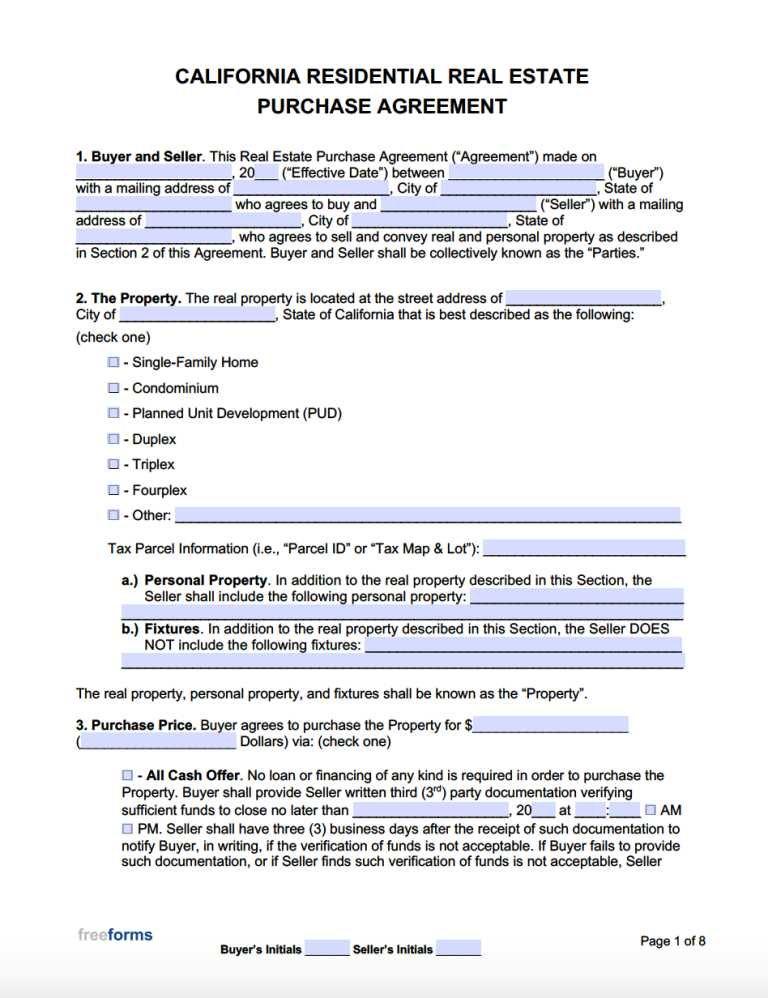
Begin by selecting a template that suits your needs. Make sure it includes clear terms such as the amount owed, repayment schedule, and the consequences of non-payment. This ensures both parties are on the same page from the start.
Once you’ve chosen a template, you can easily adjust it to reflect the specific details of your arrangement. Include the full names of both parties, addresses, and any other pertinent information. This helps to avoid misunderstandings and ensures that the contract is legally binding.
After customizing the document, carefully review the terms to ensure that both parties are in agreement. If needed, seek advice from a legal professional to ensure the document is fair and enforceable. Once finalized, both parties should sign the document to make the agreement official.
Make a copy for each participant to keep for their records. You can either print and physically sign the document or opt for digital signatures if both parties are comfortable with that. Digital signing options can speed up the process and are legally accepted in most jurisdictions.
Creating a Payment Document for Transactions
Start by selecting a clear template that includes all the necessary elements, such as the total amount, payment schedule, and specific terms regarding late fees or penalties. Ensure that the terms are easy to understand to avoid any confusion down the line.
Next, fill in the personal details of both parties involved in the transaction. This should include full names, addresses, and contact information. These details are important in case any disputes arise and the document needs to be enforced.
Clearly state the payment amount and how it will be paid (lump sum or installments). Specify the due dates for each payment and any grace periods allowed. This provides both parties with a clear understanding of expectations and timelines.
Include a section on what happens if the agreed-upon terms are not met. Outline any penalties, such as additional fees or legal action, in the event of non-payment. This section is crucial for protecting both parties involved.
Once you have all the details filled out, review the document for accuracy. It’s a good idea to have a third party, such as a lawyer or mediator, review the terms to ensure fairness and that they comply with local laws. This is especially important if the amount being agreed upon is large.
Finally, once the document is finalized, both parties should sign and date it. Each person should receive a copy for their records. Digital signatures are often accepted as well, allowing for quick and efficient signing without the need for a physical meeting.
How to Customize a Payment Agreement Template
To begin customizing your template, make sure it includes all the necessary information. Start by adding the full legal names and contact information of both parties involved in the transaction. This ensures the document is clear and specific, protecting both sides.
Next, adjust the monetary terms to reflect the exact amount due. Be specific about how payments will be made, whether in one lump sum or through multiple installments. Clarifying this detail helps both parties understand the agreed schedule and the payment method.
Consider adding a section that outlines the interest rate or any late fees that may apply. For example, if a payment is delayed beyond a certain date, specify the additional charges. This section should be clear, leaving no room for misinterpretation regarding penalties.
Define the duration of the agreement. Include the start and end dates for the payment period, as well as any provisions for early payment or adjustments. This part of the document ensures that both parties are on the same page about the time frame for fulfilling the financial commitment.
If necessary, insert clauses related to defaults or non-payment. Specify the actions that will be taken if the payments aren’t made on time, such as legal recourse or the initiation of collection proceedings. Be sure these clauses comply with relevant laws and are enforceable.
Once all the key details are in place, review the document thoroughly to make sure all sections align with the unique circumstances of the transaction. Adjust the language to suit the specific needs of both parties while keeping it legally sound. If unsure, consult a legal expert for validation.
Finally, ensure the document is properly signed by both parties. Include spaces for signatures and dates. If using digital methods, ensure both parties can access and sign the document securely. After completion, both parties should retain a copy for their records to ensure clarity in the event of any future disputes.