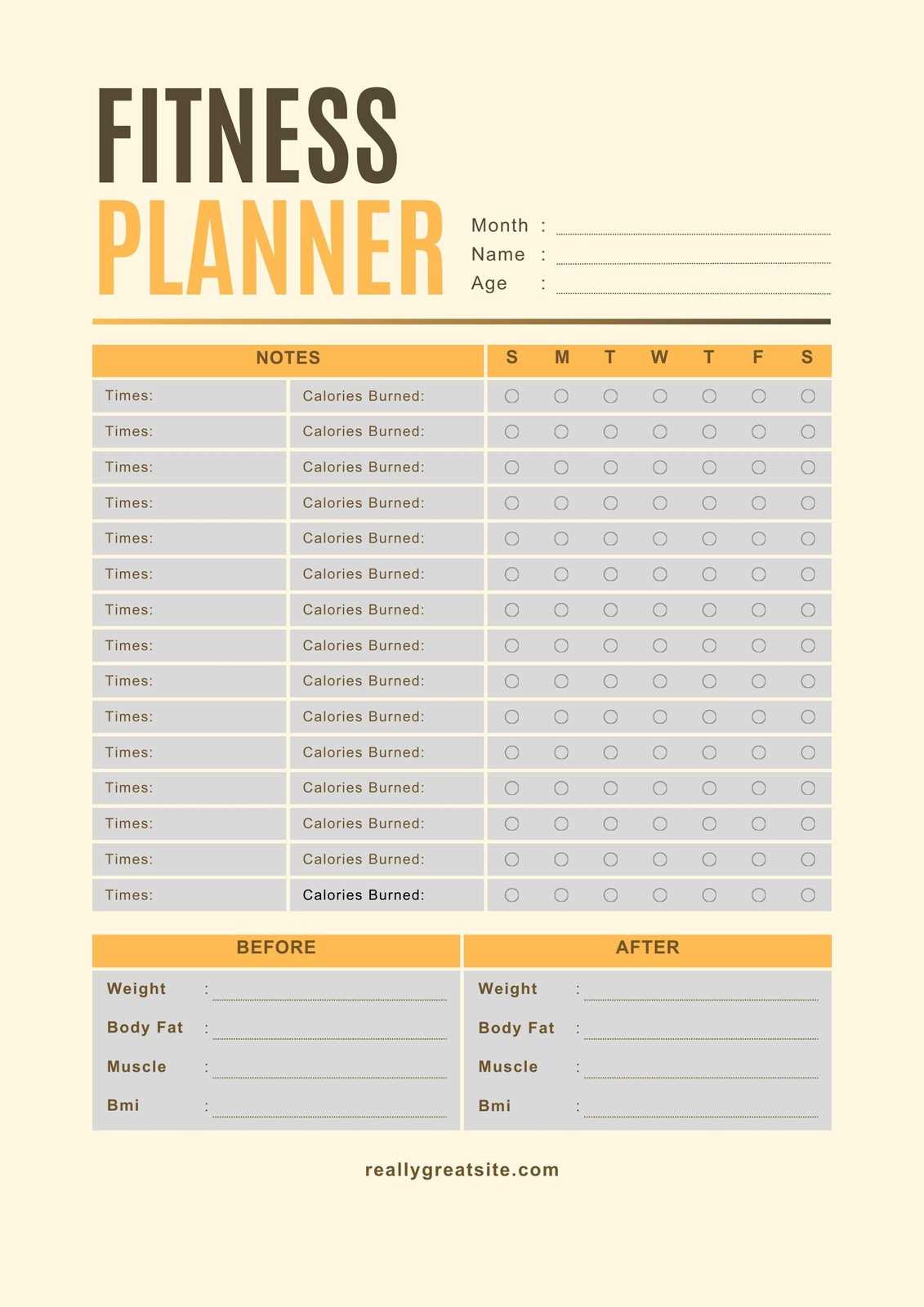
If you’re aiming to stay on top of your physical activity and health goals, a simple tracking system can help. By using a chart, you can record your daily routines, monitor progress, and stay motivated to achieve your targets. One easy and effective method is to use a straightforward worksheet to log your exercises and habits. This method allows you to visually track improvements and identify areas that need more focus.
Choose a format that fits your routine. Whether you prefer to track steps, workouts, or water intake, make sure your template includes spaces for the key aspects of your activity. Focus on daily habits that matter to you the most, such as time spent exercising, calories burned, or even rest days for recovery. Customizing your sheet to suit your personal fitness goals ensures that it remains useful and relevant.
Consistency is key. Make it a habit to update your sheet every day, preferably at the same time. This will make the process less time-consuming and more ingrained in your daily routine. Over time, you’ll see trends emerge, which can offer valuable insights into how well you’re sticking to your goals and where adjustments are needed. Regularly reviewing your progress will also keep you motivated and focused on your long-term health objectives.
How to Use a Fitness Log for Tracking Your Progress
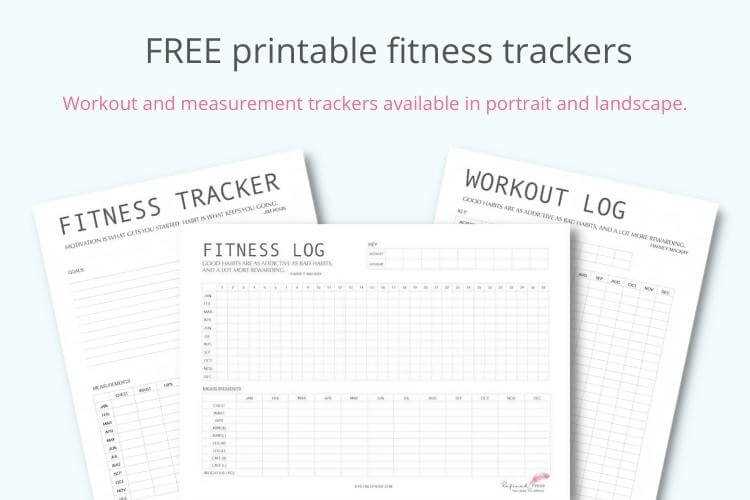
Start by selecting a daily log template that includes categories for the activities you want to track, such as exercise duration, steps taken, or calories burned. If you’re focused on specific goals, such as improving endurance or strength, customize your chart to reflect those targets. Keep it simple with columns for each day, or expand it with weekly summaries to analyze trends and improvements.
Update your log daily to ensure accurate data collection. This habit allows you to reflect on your progress consistently, spot patterns, and adjust your routines if necessary. Regular tracking provides motivation, as it shows tangible results of your efforts. Whether you’re aiming for weight loss, muscle gain, or better overall health, logging your progress is a straightforward and effective way to stay accountable to your goals.
How to Choose the Best Fitness Tracker for Your Needs
Consider your primary goal before selecting a monitoring device. If you’re focused on general activity, a basic step counter and calorie calculator may be sufficient. However, if you’re working towards specific health targets, such as improving cardiovascular endurance or tracking sleep quality, a device with heart rate monitoring and advanced sleep tracking might be more appropriate. Understanding your goals will help narrow down the options.
Evaluate the features offered by various devices. Look for options that track the metrics most relevant to your goals. For example, if you’re focused on strength training, a tracker that monitors weightlifting exercises, reps, and sets will be beneficial. If you’re training for a race or want to track running performance, GPS tracking, pace monitoring, and distance traveled will be essential.
Battery life is another key consideration. Some devices need to be charged daily, while others offer longer battery life, ranging from several days to weeks. If you’re someone who prefers not to charge your device frequently, look for a model with longer battery life, especially if you’re using it during long outdoor activities or travel.
Comfort and design matter, particularly if you’re wearing the device for long periods. A lightweight, breathable strap will make the tracker more comfortable for daily wear. Some models are designed to look like regular wristwatches, making them suitable for both exercise and casual wear, while others may be more athletic in style.
Compatibility with other devices or apps can also enhance your experience. If you use a specific fitness app or health platform, choose a model that syncs seamlessly with it. This will allow you to see your data in one place and track long-term progress more easily.
Price is a determining factor for many, as there are trackers in a wide price range. Higher-end devices typically offer more advanced features, such as GPS tracking, blood oxygen level monitoring, and fitness insights. However, basic models can still provide valuable information at a fraction of the cost.
Finally, consider the ease of use and the user interface. A tracker with a simple display and intuitive navigation will be easier to use, especially for beginners. Look for one with clear instructions, customizable settings, and easily readable data, so you can effortlessly monitor your progress and make adjustments when needed.