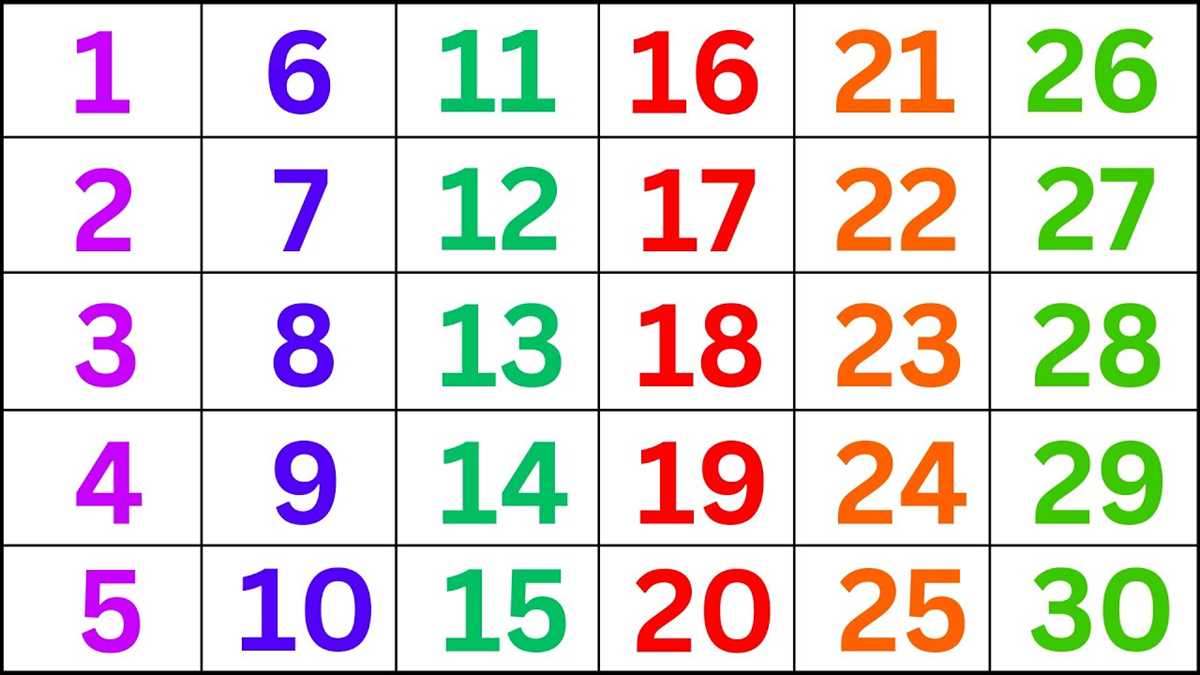
To begin introducing young learners to the sequence of basic digits, using simple worksheets that display numbers in a clear, readable format can make all the difference. This method supports recognition and retention, especially when incorporated into daily activities.
Consider focusing on the first few units for early mastery, as children begin to understand the relationship between written symbols and their corresponding quantities. Using visual aids with large, bold representations can significantly enhance learning efficiency.
Hands-on exercises involving tracing and matching these figures provide an interactive approach, helping children grasp these symbols more effectively. Keep activities varied to maintain interest, and integrate games that challenge them to count out loud or find the numbers in a sequence.
Regular reinforcement with these tools will help solidify the connection between numerals and their values, preparing children for future lessons involving more complex mathematical concepts.
Effective Ways to Use Number Sheets for Learning
Start by downloading materials with clear, large digit representations. These should be easy to recognize and trace. Once the symbols are visible, children can begin to associate each figure with its actual quantity. It’s important to use simple visual aids at the beginning to avoid overwhelming them.
For initial practice, create exercises where children are asked to trace the shapes. This improves fine motor skills while reinforcing the visual connection between the digits and their quantities. Encourage repetition to help them build confidence with each new figure.
Next, pair these resources with fun activities like matching games. For example, print several sheets with random sequences of digits, and ask kids to match each figure to its corresponding number of objects. This step helps link theory with real-world examples.
Incorporating games into these exercises keeps the experience engaging. Number-based puzzles, or identifying the correct number of items in a picture, can be effective in reinforcing counting and recognition skills. Using incentives like stickers or points can also motivate progress.
Once learners are comfortable identifying and writing individual digits, move to more complex tasks. Introduce activities that require children to place the numbers in order, or group them based on patterns (e.g., odd and even). These activities build understanding of number sequences and promote logical thinking.
It’s also helpful to introduce different fonts or formats for these sheets. A change in visual style can increase attention span and spark interest, especially if your child has become bored with the same format. Try adjusting the layout or adding small illustrations next to the digits to make learning more dynamic.
Lastly, ensure the exercises are short but frequent. Short bursts of focused learning are more effective than long, drawn-out sessions. Regular practice, even for just a few minutes each day, will build a solid foundation for future math skills.
How to Use Worksheets for Early Learning
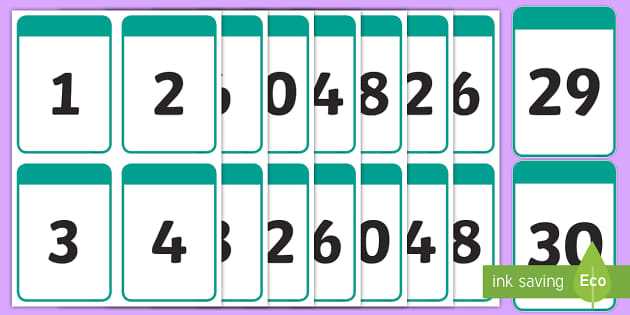
Start by selecting simple, clear templates that show each figure in large, bold characters. This allows young learners to focus on recognizing the symbol. Initially, use materials with ample space for tracing, as this strengthens hand-eye coordination while reinforcing recognition.
Next, incorporate engaging activities such as counting exercises or matching. Provide images where the learner matches the digit with a corresponding number of objects, like dots or animals. This solidifies the connection between the written symbol and its real-world quantity.
Once the learner is familiar with individual digits, progress to tasks that involve writing the digits independently. Have them practice drawing each figure while saying its name aloud. This helps build both their visual recognition and writing skills simultaneously.
Introduce sequencing exercises. Create simple tasks where the learner arranges a set of symbols in the correct order. You can mix the symbols up and ask them to put them from smallest to largest or in other patterns. These activities improve both logical thinking and memory.
To make the learning experience more enjoyable, keep activities short and varied. For instance, alternate between tracing, matching, and writing exercises to maintain engagement. Frequent practice with brief sessions leads to better retention and quicker mastery of basic skills.