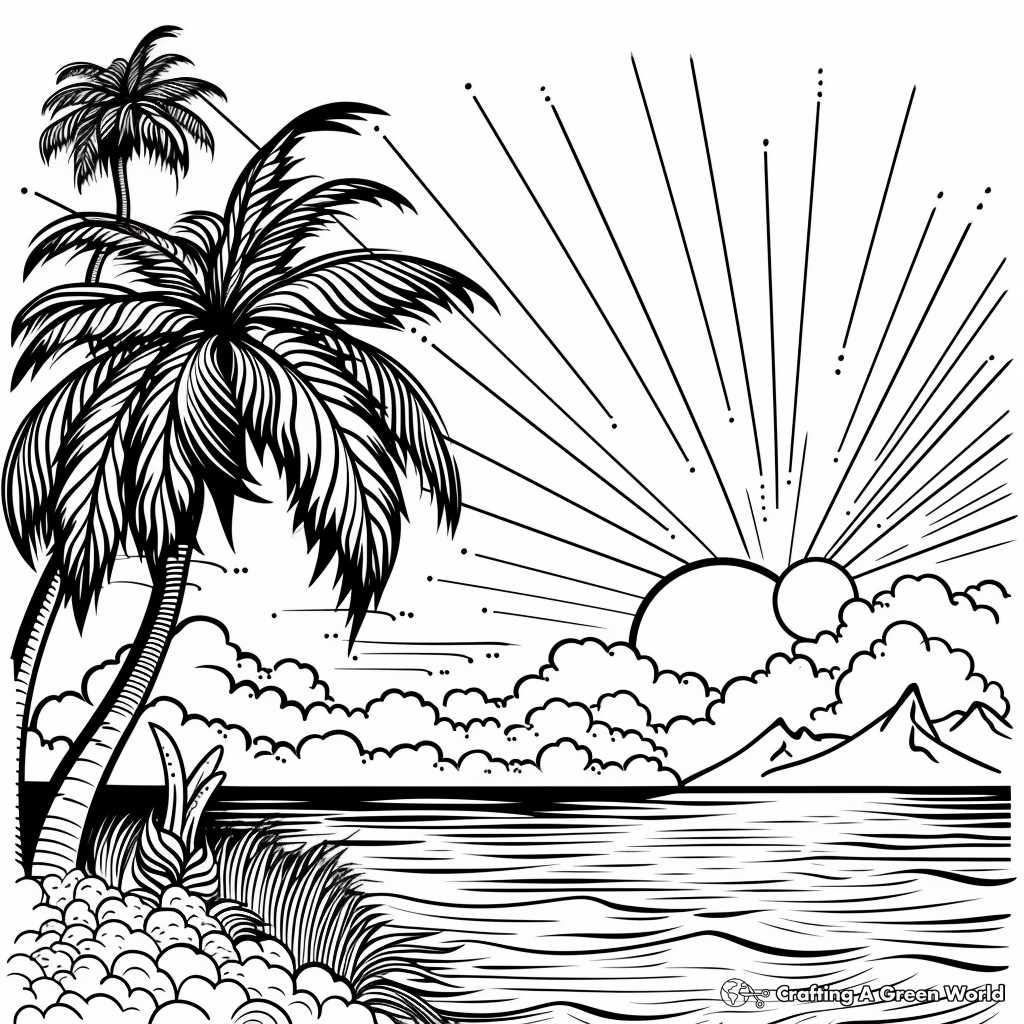
Choose high-resolution PDF art sheets with 300 DPI quality and A4 or US Letter format to avoid blurred outlines and uneven fills. Select designs featuring palm trees, volcano craters, hibiscus flowers, sea turtles, and traditional hula costumes to reflect authentic Pacific island culture. For home use, print on 120–160 gsm paper to prevent marker bleed-through and tearing.
For preschoolers aged 3–5, pick simple line drawings with bold 3–5 mm contours and large open areas. Elementary students aged 6–9 handle medium detail scenes such as beach sunsets, surfboards, and ukulele players. Older children benefit from intricate illustrations of island maps, reef fish species, and botanical motifs that require fine motor control and attention to detail.
Use these tropical themed worksheets during geography lessons to connect art with real data: identify the eight main islands, label Mauna Loa as one of the largest volcanoes on Earth, and discuss native plants like the hibiscus. Combine crayons for broad coverage, colored pencils for shading gradients in ocean scenes, and fine liners for outlining patterns in traditional garments.
Store downloaded files in organized folders by complexity level and theme, and keep a printed master copy in a clear sleeve for repeated classroom photocopying. Rotate seasonal sets before summer units, cultural study weeks, or travel-themed activities to maintain engagement without repeating identical illustrations.
Tropical Island Themed Art Sheets for Kids and Classrooms
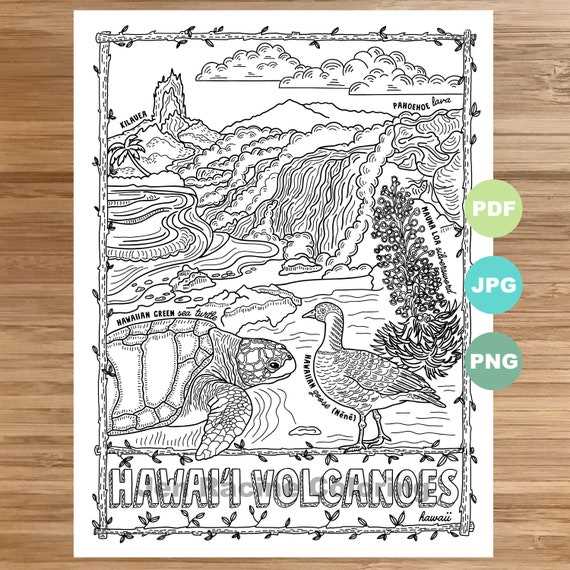
Download high-resolution PDF illustration sheets with clear black outlines at 300 DPI and print them on 120–160 gsm paper for classroom durability. Select sets that include palm trees, coral reefs, sea turtles, volcano profiles, surfboards, and traditional hula attire to connect art time with geography and cultural studies. For group work, prepare separate difficulty tiers: simple bold-contour drawings for ages 4–6, medium-detail beach and wildlife scenes for ages 7–9, and intricate island maps or botanical patterns for grades 4–6.
Use these tropical activity sheets during social studies blocks by pairing each image with factual tasks such as labeling the eight major islands, marking the Pacific Ocean, or identifying native species like the nēnē goose and hibiscus flower. Allocate 20–30 minutes for art completion and 10 minutes for short presentations where students explain color choices tied to real references, such as lava tones ranging from deep red to charcoal black. Store digital files by topic and complexity, keep a master copy in a plastic sleeve for repeated photocopying, and rotate themes monthly to align with curriculum units on volcanoes, marine ecosystems, or Polynesian culture.
Popular Island Art Sheet Themes Including Beaches Volcanoes and Hula
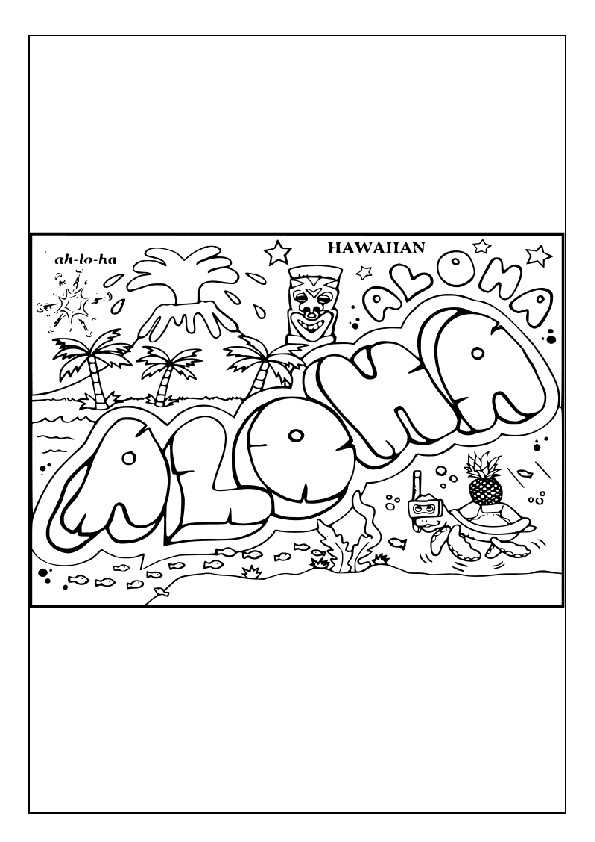
Select tropical shore scenes with wide horizons, curved coastlines, and 3–4 foreground elements such as palm trees, surfboards, and seashells to give children structured composition zones. Use outlines at least 2 mm thick for younger students to keep fills inside borders and avoid visual clutter.
For beach-focused illustrations, prioritize:
- Breaking waves with layered arcs to practice shading gradients from light blue to deep navy
- Beach umbrellas and towels with geometric patterns for color repetition exercises
- Marine life such as sea turtles and reef fish with clearly separated body sections
- Simple sunset backgrounds divided into horizontal bands for blending practice
Include volcano imagery with cross-section views that show magma chambers and lava flows to connect art tasks with earth science lessons. Use contrasting zones–dark basalt slopes, bright lava streams, ash clouds–to encourage varied pencil pressure and tone control.
Recommended volcano scene elements:
- Crater rims drawn with thick outer lines and thinner interior cracks
- Lava paths branching into 2–3 channels for directional movement
- Foreground rocks in irregular shapes to train precision filling
- Background sky areas large enough for gradient shading
Feature traditional hula imagery with clear costume details such as grass skirts, floral leis, and ukuleles. Provide symmetrical garment patterns so students can practice repeating motifs and balanced color schemes without overcrowding the figure.
For cultural themes, add:
- Lei garlands composed of individual petals for fine motor training
- Ukulele strings spaced evenly to refine line accuracy
- Floral headpieces with layered petals for depth work
- Stage backdrops with simple palm silhouettes to frame the character
Combine shore, volcanic, and hula subjects into multi-element compositions only for advanced learners aged 9–12, limiting total objects to seven or fewer to maintain clarity. Print at 300 DPI on matte paper to prevent glare and allow smooth pencil blending across large sky or ocean areas.
Rotate themes weekly–coastal wildlife, erupting peaks, traditional performance scenes–to align art sessions with geography or cultural study blocks, assigning 25 minutes for completion and 5 minutes for short factual explanations tied to each illustration.