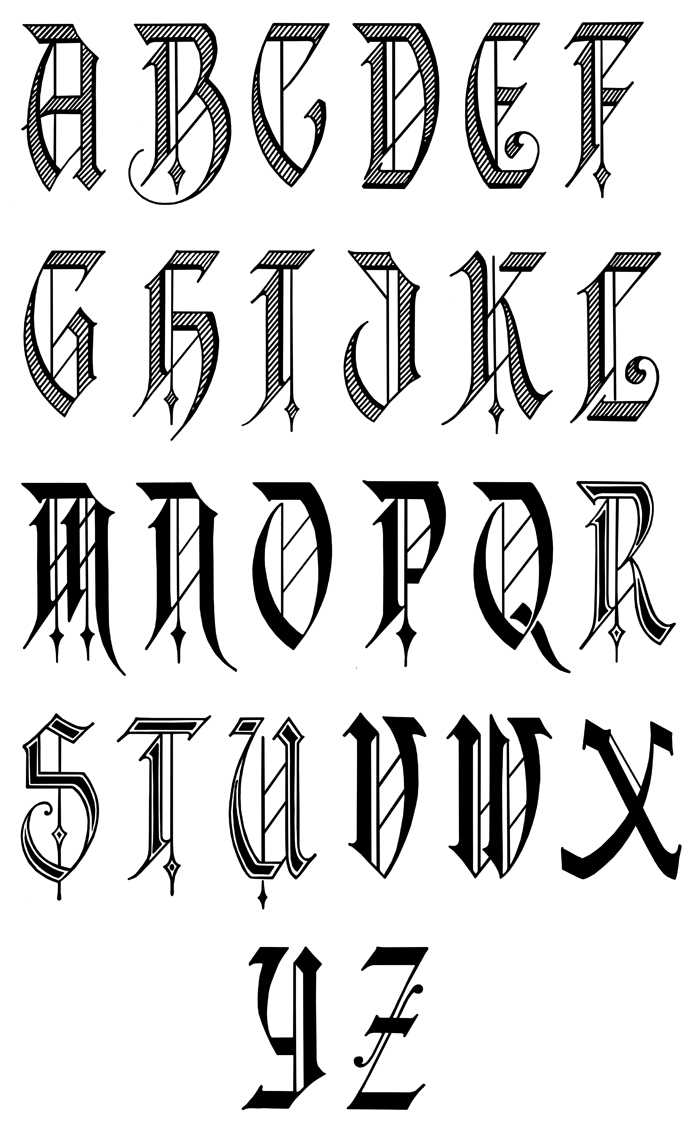
To create beautiful handwritten designs, you don’t need to start from scratch. Look for detailed guides and templates that offer a variety of fancy script styles. They provide all the building blocks for achieving the intricate flow and elegance seen in artistic writing. Choosing a template with clear, easy-to-follow strokes ensures you can replicate complex scripts without guesswork.
When selecting your material, consider the thickness of the paper. Using a heavier stock reduces the risk of ink bleeding, especially when you’re working with pens that have a thick nib or brush. It’s important to print out the style you prefer and practice on high-quality, smooth paper that suits your ink and pen type. This allows for precise control and more consistent results.
Once printed, it’s time to refine your skills. Start slow by tracing over the printed outlines, focusing on mastering each character’s unique curves and angles. As you gain confidence, experiment with adding your personal touch, adjusting the pressure on your pen to create varied strokes. The more you practice, the more naturally these intricate shapes will flow into your own writing style.
Perfecting Fancy Script with Templates
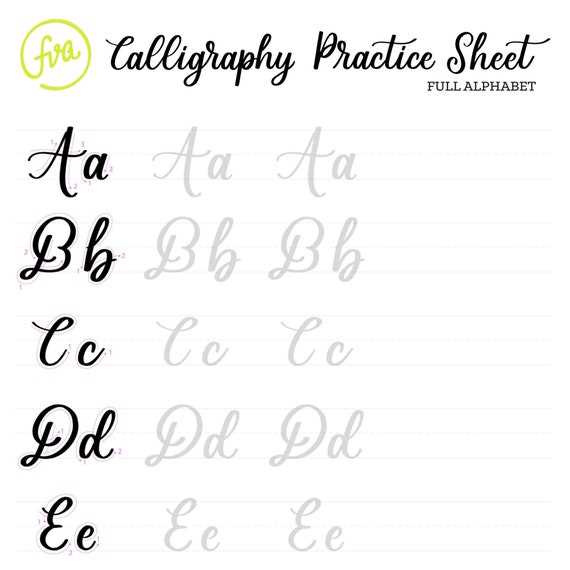
For beginners, starting with pre-designed characters can simplify the learning process. Look for designs with clean lines and detailed instructions that help you follow the exact flow of the strokes. These templates give you a visual guide to replicate the curves and loops commonly seen in decorative writing. By tracing over them repeatedly, you can gain muscle memory for each motion.
It’s important to choose the right printing method. Using a laser printer will provide sharp, precise outlines compared to inkjet printers, which might blur with heavy ink or markers. Print at a high resolution to ensure the clarity of each character. This will also help maintain the definition of fine details when you trace or fill in the design.
After printing the outline, practice by using different pen types. Calligraphy pens with flexible nibs allow you to create varying line thicknesses, adding to the elegance of your writing. If you prefer more control, use a fine-tipped gel pen. This approach lets you focus on mastering the basic structure before moving on to more complex details like shading and embellishments.
Once you’re comfortable with tracing the printed templates, try writing without the guide. Create your own designs or mix styles to form unique compositions. With enough practice, your strokes will become fluid, and your work will begin to show your individual style. Keep practicing to refine both technique and personal expression.
How to Choose the Right Calligraphy Letter Style for Your Project
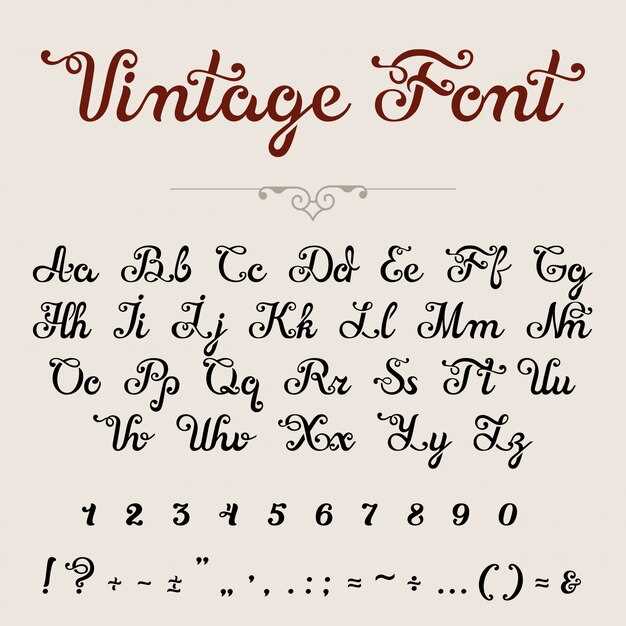
Start by determining the purpose of your design. For formal invitations or wedding cards, choose an elegant and refined script with clear, consistent strokes. A classic cursive style will convey sophistication and timelessness. For more casual projects, such as posters or greeting cards, a playful, bold script can add personality without overwhelming the design.
Consider the legibility of the script. If your goal is readability, opt for a more straightforward style, such as modern serif or sans-serif fonts with minimal flourishes. These styles are easier to read at a glance, making them ideal for messages that need to be clear and quick to understand. Avoid overly ornate styles in such cases, as they may complicate readability.
- Elegant Scripts: Used for invitations, certificates, and formal documents.
- Modern Scripts: Suitable for creative projects, like art prints or personal branding.
- Playful and Whimsical Scripts: Great for greeting cards or casual projects.
If your project involves larger text, like posters or banners, opt for a style with thicker, more pronounced strokes. Thicker lines make the writing stand out better from a distance. For smaller projects or intricate details, go for a finer, delicate style that will show off the precision of your strokes.
Finally, experiment with mixing different styles. Combining a bold header with a softer, more flowing body can create visual contrast and interest. Just be mindful not to mix too many conflicting styles that could detract from the overall aesthetic. A little contrast can go a long way in making your design dynamic and engaging.