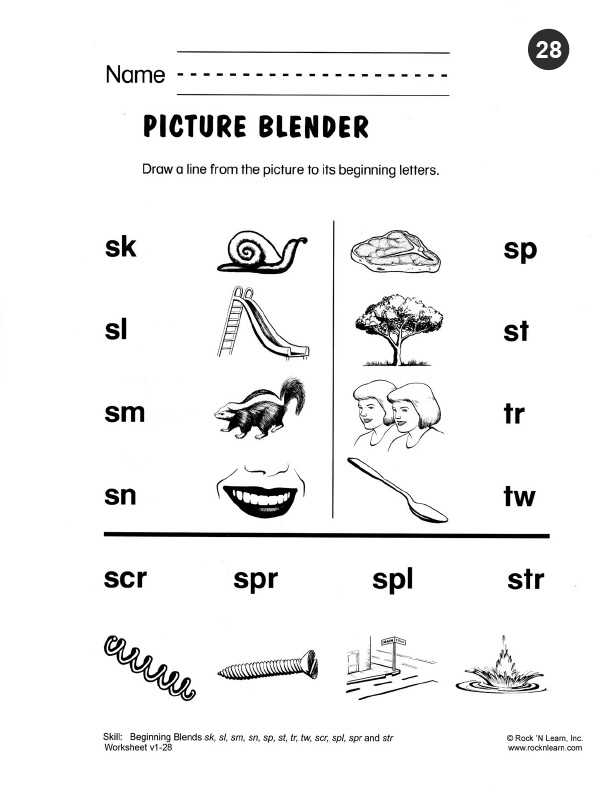
Introduce early literacy concepts through simple, engaging activities that promote sound-letter associations. Tailoring exercises to reinforce letter shapes and sounds can enhance young readers’ skills. Start with worksheets that focus on matching letters with their corresponding sounds. These tasks help solidify the connection between written symbols and spoken language.
Utilize activities such as letter tracing and matching games to create a strong foundation. Activities that involve coloring, drawing, or circling specific letters offer an interactive approach. This hands-on learning supports recognition and retention of key letter sounds in a way that feels fun and approachable for children.
Look for resources that offer a variety of exercises, including word-building and sound identification tasks. As young learners progress, include activities that encourage blending sounds into simple words. These exercises gradually improve fluency and prepare students for more complex reading tasks.
Phonics Worksheets for Early Learners
Introduce letter-sound connections using targeted activities. Focus on exercises where children match letters with images that begin with the same sound. This helps them build a solid understanding of sound-symbol relationships.
To reinforce this learning, offer simple word-building tasks. Using cut-out letters or magnetic tiles, students can create their first words. This type of activity promotes phonemic awareness and helps children decode unfamiliar words.
Engage learners with color-coded activities. By assigning colors to specific letter groups, such as vowels or consonants, children can visually distinguish between different sounds. This technique makes the learning process more engaging and helps with memory retention.
For advanced learners, introduce activities that involve segmenting and blending sounds. These activities encourage students to break down words into individual sounds and then blend them together. This is a step toward reading fluency.
Incorporate interactive games like “find the letter” or “letter scavenger hunts.” These games motivate young learners to actively search for specific sounds in different contexts, strengthening their ability to recognize and identify sounds in real words.
Make learning dynamic by including listening activities where children identify sounds within words. Record simple words or short sentences and ask students to identify specific sounds. This improves both listening and recognition skills.
For visual learners, create picture-based puzzles that align with the sounds they are learning. This form of tactile learning strengthens memory and provides a multi-sensory approach to mastering sounds.
Finally, keep worksheets short and focused to avoid overwhelming young learners. Repetition is key, but it should be paired with variety. Alternate between activities that focus on letters, sounds, and simple word construction to keep students engaged and progressing steadily.
How to Use Phonics Worksheets to Improve Letter Recognition
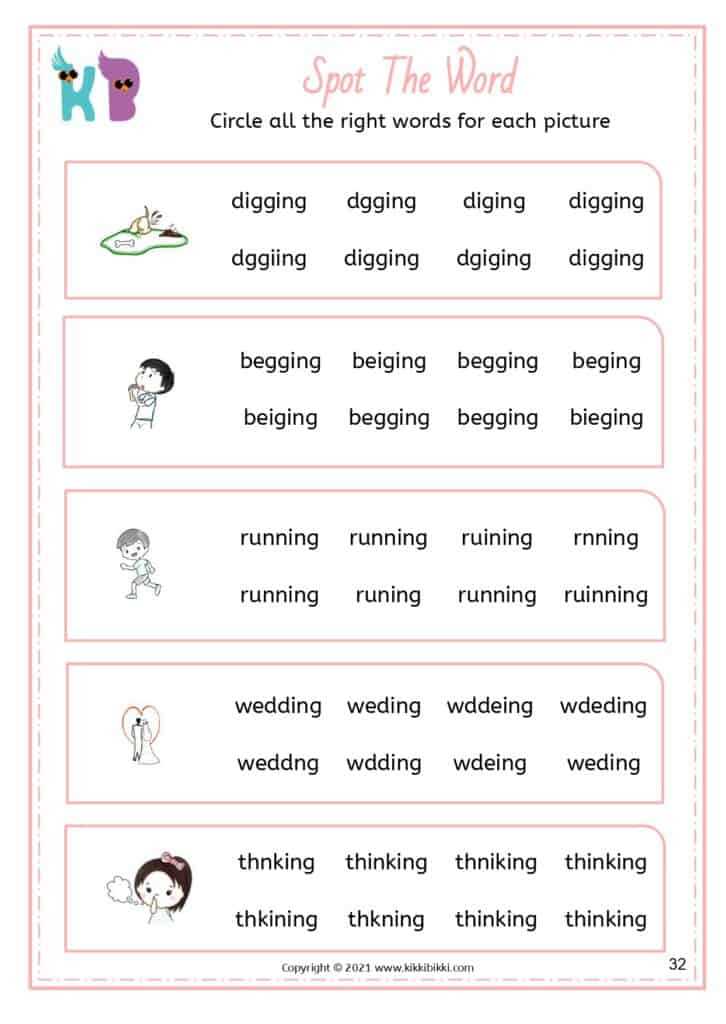
Begin by using worksheets that focus on associating letters with familiar objects or animals. For example, a worksheet that pairs the letter “B” with a picture of a “bat” helps children visually connect the symbol with the sound. This technique reinforces letter recognition in a memorable way.
Incorporate tracing activities into lessons. Have students trace both upper and lower case letters repeatedly. This physical interaction with the letter helps solidify recognition and reinforces muscle memory, aiding recall during later activities.
Utilize matching games where children match letters to pictures or words that begin with the same sound. For instance, matching the letter “S” with an image of a “sun” helps children connect letters to their phonetic sounds in a dynamic, engaging way.
Introduce activities that challenge students to identify missing letters in words. This encourages them to focus on both the shape and sound of letters in context. As they fill in the blanks, they strengthen their ability to recognize letters quickly and accurately.
Finally, keep activities varied and visually stimulating. Worksheets with bright colors and interactive elements like stickers or stamps maintain attention and make the process of letter recognition more enjoyable, promoting sustained engagement.