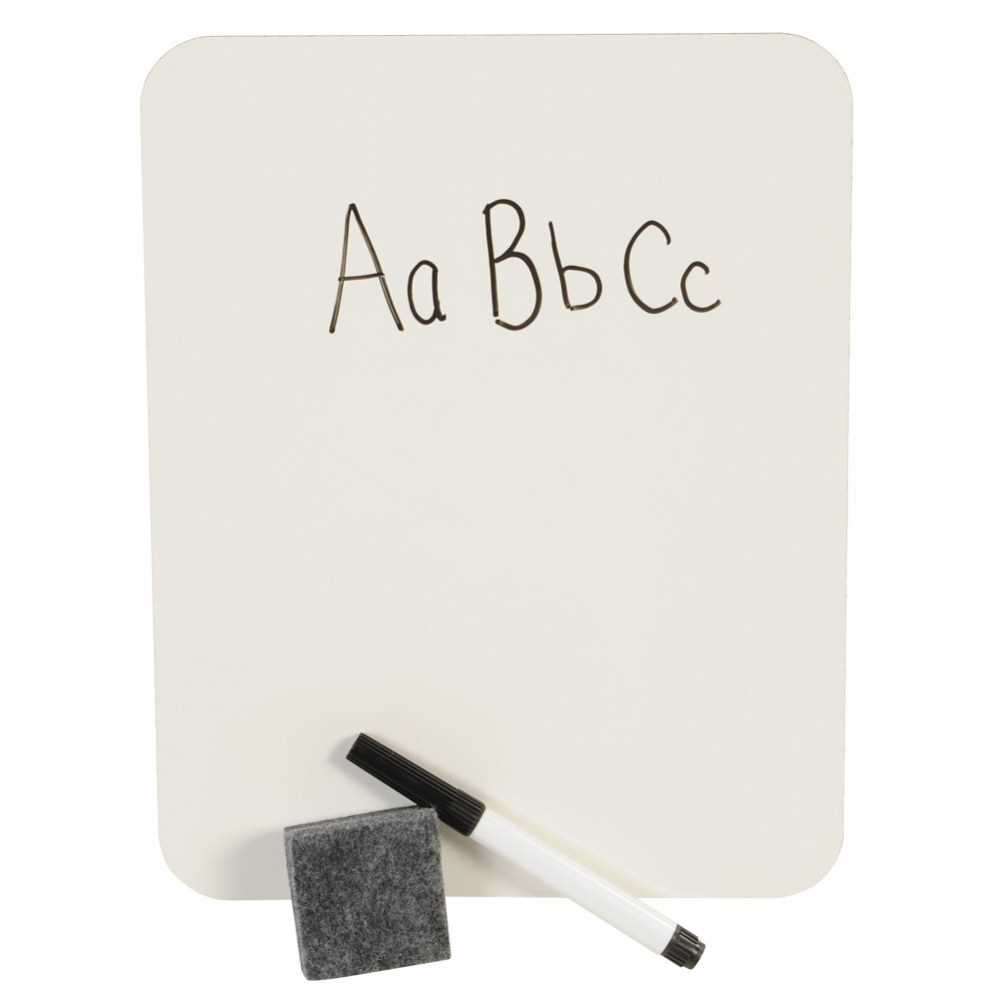
If you’re looking to make a reusable writing surface at home or in the office, you can easily create one using a few simple materials. Start by choosing the right kind of paper or plastic that is suitable for repeated use with markers. Many people prefer using laminated sheets for this purpose, as they allow for easy cleaning and can be customized for various tasks, such as note-taking, planning, or organizing ideas.
Once you’ve decided on the material, you can print your custom design directly onto it. Whether it’s a weekly planner, a to-do list, or a simple blank grid, you can tailor the layout to suit your specific needs. After printing, you can protect the surface with a laminate or clear sheet protector to ensure longevity, especially if the surface will be used frequently.
Another benefit of this method is that it provides an eco-friendly alternative to disposable paper products. You can reuse the surface over and over again by simply wiping away the writing. It’s an excellent solution for both personal and professional settings, saving time and reducing paper waste.
Creating a Custom Reusable Writing Surface
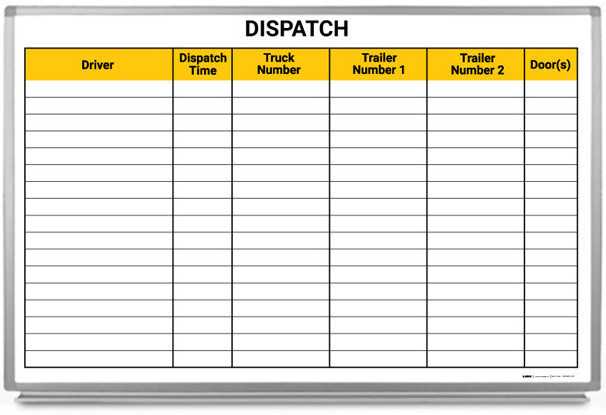
To make a reusable writing surface, choose a durable material like laminated paper or a thick plastic sheet. These materials are easy to clean and can withstand repeated use with markers. Start by designing a layout that suits your needs, such as a weekly planner, task list, or even a simple drawing space. Once you have your design, print it out or transfer it onto the chosen material.
For the best results, protect the surface with a clear laminate or a similar covering. This ensures that the writing will wipe off easily without leaving any residue behind. This setup is ideal for people who need an affordable, customizable solution for daily tasks, from jotting down reminders to organizing thoughts in meetings or classrooms.
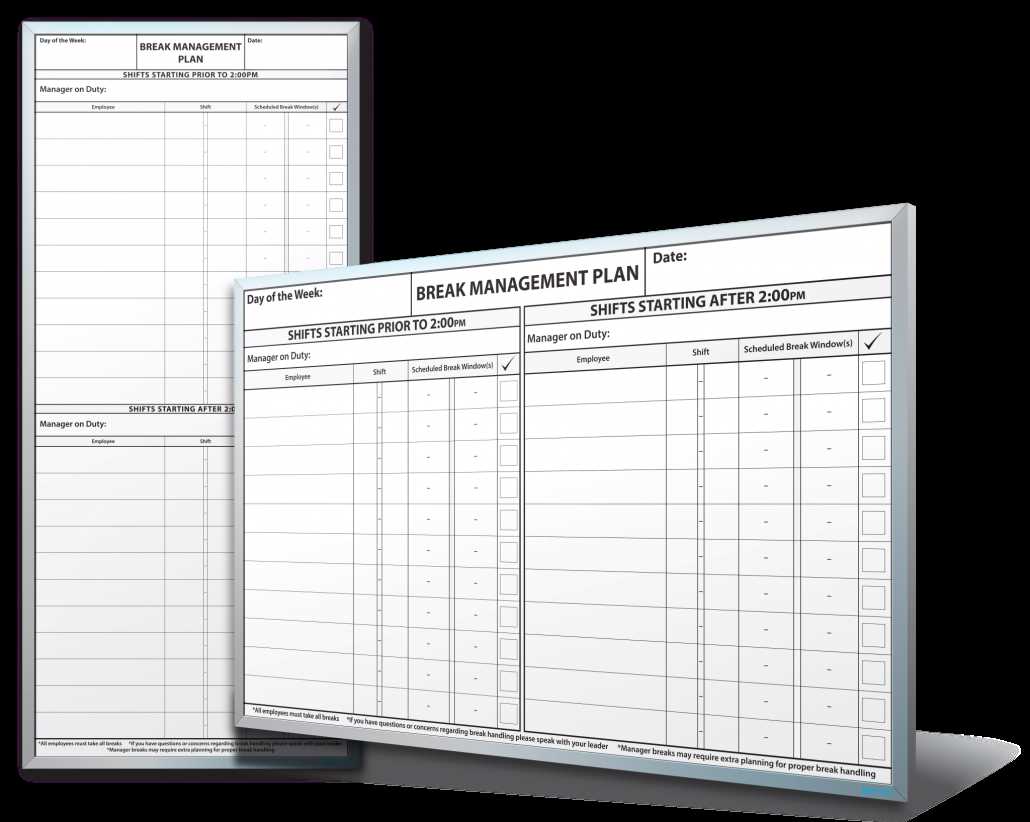
Another advantage is that this method significantly reduces paper waste, making it a more eco-friendly option. You can reuse the same sheet multiple times, simply wiping away old notes and starting fresh. This approach is perfect for homes, schools, or offices where constant revisions or updates are necessary without generating extra waste.
Step-by-Step Guide to Creating Your Own Reusable Writing Surface

Start by selecting a sturdy material like laminated paper or thick plastic film. These materials are durable enough to withstand repeated use with markers and can easily be wiped clean. Choose the size based on your needs, whether it’s a small note-taking sheet or a large surface for brainstorming or planning tasks.
Next, create or download a layout template that suits your purpose. You can find many free templates online, ranging from calendars to to-do lists, or you can design one yourself using a word processor or design software. Make sure the template has enough space for writing and organizing your ideas.
Once you have your template, print it onto the selected material. If you’re using a printable plastic sheet or a laminated sheet, make sure it fits the printer’s paper tray. Some materials may need to be trimmed to size after printing to fit within your desired dimensions.
After printing, protect the printed layout by adding a clear plastic sheet or laminate over it. This step is important to ensure that the writing surface is both long-lasting and easily cleanable. Lamination will prevent the material from fading or becoming damaged after repeated use with markers.
For better usability, add some adhesive strips or corner protectors to hold the sheet in place on your desk or wall. This can prevent it from sliding around while you write and add extra stability, especially for larger surfaces.
Finally, use markers that are designed for dry-erase surfaces. These markers can be wiped off easily without leaving permanent marks. You now have a reusable surface that you can use for scheduling, planning, or simply jotting down quick notes, helping you stay organized and reduce paper waste.