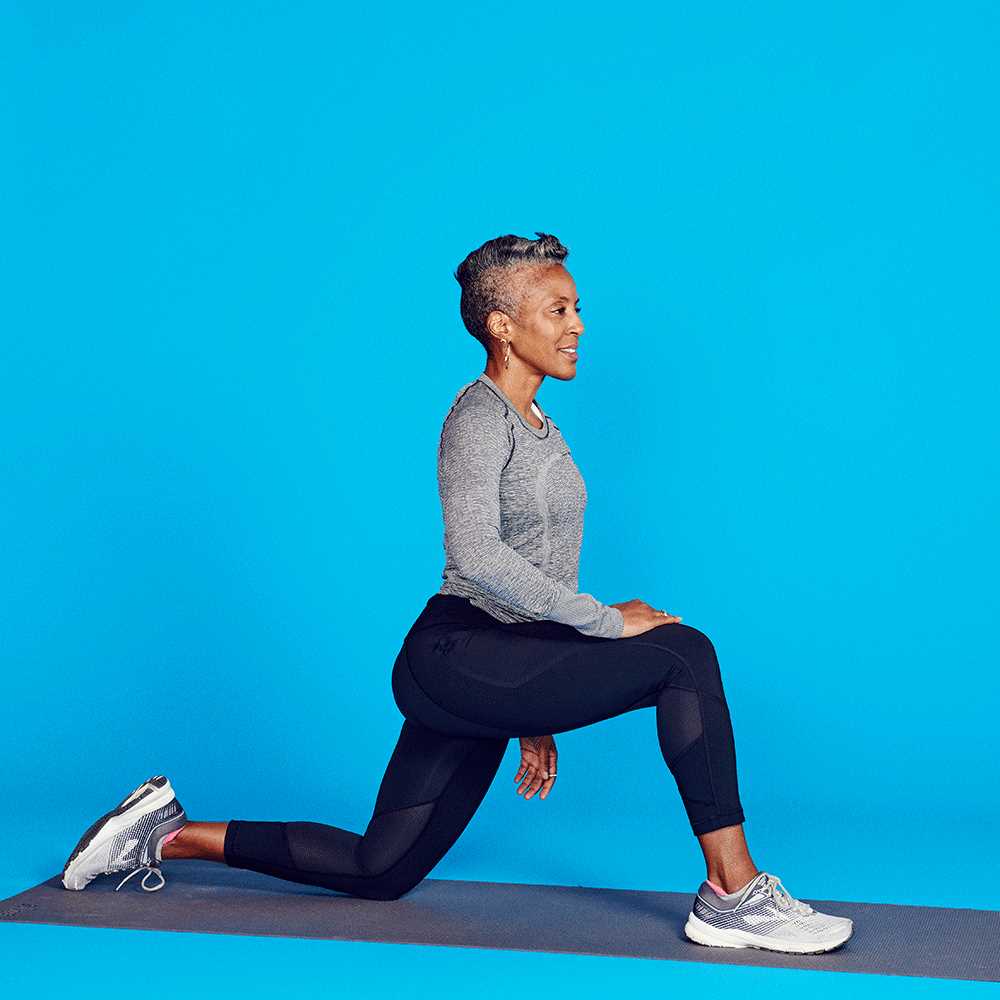
Place the outer thigh in a gentle lengthened position for 20–30 seconds before any run or leg workout. This simple action helps reduce tension along the iliotibial tract and prepares the knee for repeated flexion. Keep the hips level and avoid twisting the torso; most people gain better results by focusing on slow breathing rather than forcing a deeper reach.
The lateral fascia responds best to consistent, low-intensity mobility work performed several times per week. Aim for two to three sets per side, maintaining mild discomfort but never sharp pain. Athletes who sit for long hours often notice tighter tissue near the hip, so adding a brief warm-up walk or light cycling for five minutes beforehand improves tissue elasticity and range.
For convenient use at home or in the gym, prepare a clean one-page routine sheet with clear step illustrations and timing cues. Position the supporting leg slightly bent to protect the knee joint, and keep the spine neutral throughout each movement. Regular practice paired with gradual strength work for the gluteus medius commonly leads to smoother stride mechanics and reduced outer-knee irritation within four to six weeks.
Printable IT Band Stretches: Step-by-Step Guide for Daily Use
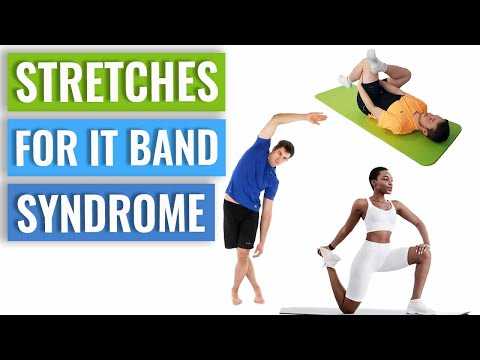
Perform each movement once in the morning and once after activity to reduce lateral thigh tension and support knee tracking. Hold every position for 20–30 seconds per side and repeat 2–3 times. Keep breathing steady and avoid bouncing; controlled motion produces better tissue lengthening and lowers irritation risk.
Standing cross-leg reach. Stand upright, cross the affected leg behind the other, and shift your hips slightly outward. Raise the arm on the same side overhead and lean your torso away from the tight outer thigh. You should feel a long pull from the hip toward the knee. Maintain neutral shoulders and keep both feet flat. Release slowly and switch sides.
Wall-supported hip glide. Stand sideways about 30–40 cm from a wall with the tight side closer to it. Place the outside foot behind the inside foot, then gently push your hip toward the wall while keeping your upper body tall. This isolates the iliotibial region more than a simple side bend. Hold steady pressure rather than forcing range. If discomfort appears near the knee, reduce the lean and shorten the hold to 15 seconds.
Side-lying leg drop. Lie on your non-tight side near the edge of a firm surface. Bend the bottom knee for balance and keep the top leg straight. Slowly lower the upper leg backward and down until a mild pull appears along the outer thigh. Keep the pelvis stacked; rolling forward removes tension from the target tissue. Pause, breathe deeply for three cycles, then lift the leg back with control. Perform daily after runs or long walks for consistent mobility support.
How to Structure a One-Page Printable IT Band Stretch Routine for Home Workouts
Place the title and total routine time (for example, “8-Minute ITB Mobility Plan”) at the top of the page so users immediately know the commitment required. Directly beneath, include a short checklist: foam roller, yoga mat, wall space, and optional timer. This quick reference reduces hesitation and keeps the sheet functional during workouts.
Divide the page into three clearly labeled blocks: warm-up, main mobility work, and cooldown. Limit each block to 2–3 movements to keep the layout readable on a single sheet. For home use, aim for a total duration between 6 and 10 minutes; longer routines are rarely followed consistently. Use bold numbering (1–6) so the sequence is obvious without reading full instructions.
For each movement, present four micro-elements in the same order every time: position setup, movement cue, hold or rep count, and a quick form check. Example: “Stand tall, cross right leg behind left → lean hips left → hold 25 seconds → keep chest upright.” Consistent formatting allows the user to scan quickly mid-workout without losing flow.
Allocate about 40–60% of the page width to concise instructions and the remaining space to simple line illustrations. Avoid dense paragraphs; each exercise description should stay under 25 words. Use a minimum font size of 11–12 pt for print clarity and maintain at least 0.5-inch margins so the sheet prints cleanly on standard US Letter or A4 paper.
Add timing guidance in the margin rather than inside the main text. Small icons for “seconds” or “reps” help users track pacing without rereading instructions. If the routine targets runners or desk workers, include a tiny note such as “best after runs” or “use after long sitting” to anchor the routine to real habits.
Finish the page with a compact weekly tracker–five small checkboxes labeled Mon–Fri–and a brief safety line advising users to stop if sharp lateral knee pain appears. This closing section turns a simple exercise sheet into a repeatable home tool that supports consistency rather than one-time use.