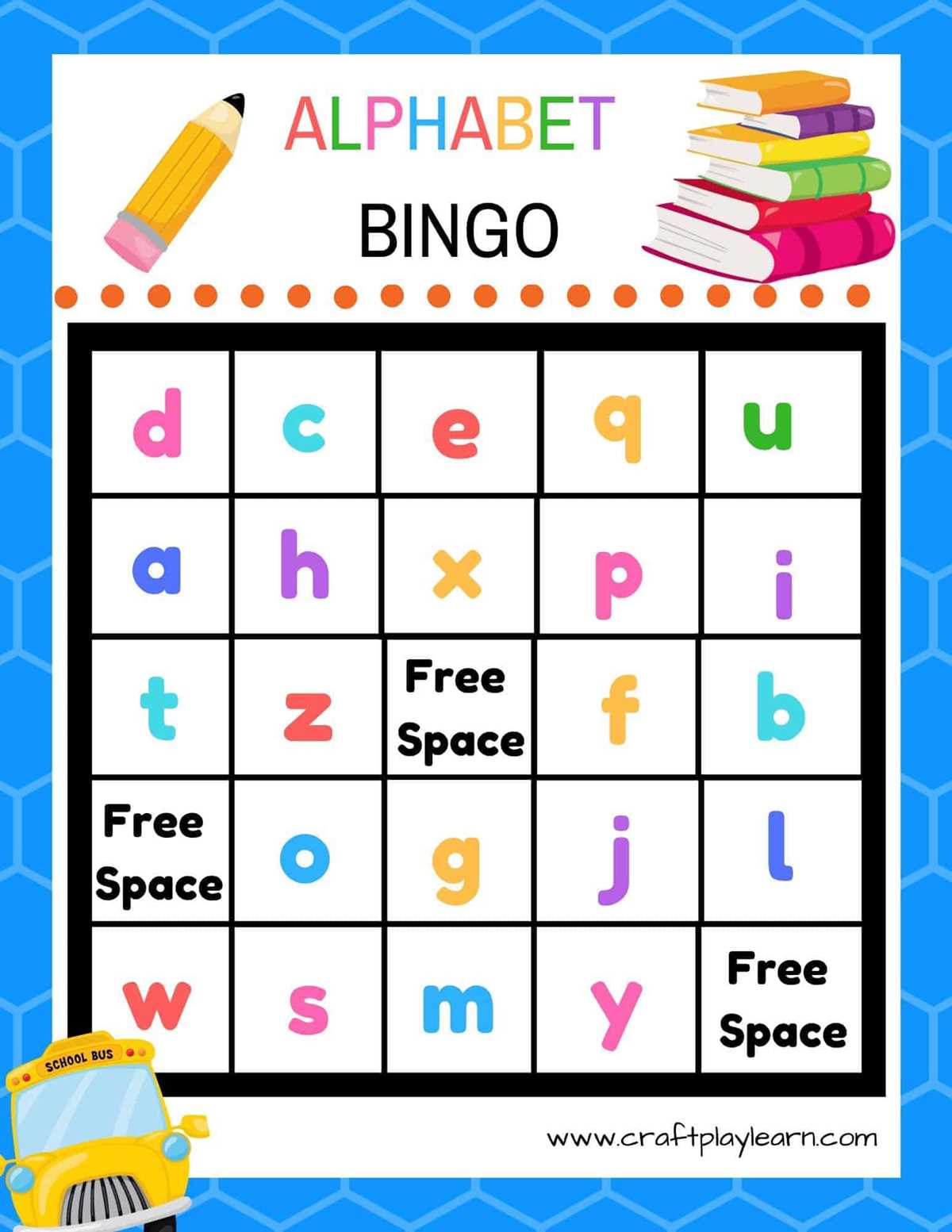
Download a set of 4×4 or 5×5 letter grid cards in PDF format and print them on 200–250 gsm cardstock for repeated classroom use. Choose a layout with one uppercase or lowercase character per square, clear sans-serif type at 72–120 pt size, and 1.5–2 cm margins to prevent trimming errors. For preschool groups (ages 3–4), limit each card to 9–12 symbols and exclude visually similar pairs such as b/d and p/q during the first week of practice.
Use laminated boards with dry-erase markers to track called characters instead of chips; this reduces material prep time by up to 30% during small-group sessions. For kindergarten learners (ages 5–6), mix upper and lower case on the same grid and introduce timed rounds of 5–7 minutes to build quick recognition. Include at least 10 unique card variations per set to avoid duplicate layouts in groups larger than eight children.
Provide a teacher call sheet with randomized letter order and phonetic prompts (for example, “/m/ as in moon”) to connect visual recognition with sound awareness. Keep background white and avoid decorative fonts; contrast ratio between text and background should exceed 7:1 for readability. Store files in A4 and US Letter formats to match regional paper standards and prevent scaling distortion during printing.
Letter Grid Game Sheets for Early Reading Practice at Home and in Class
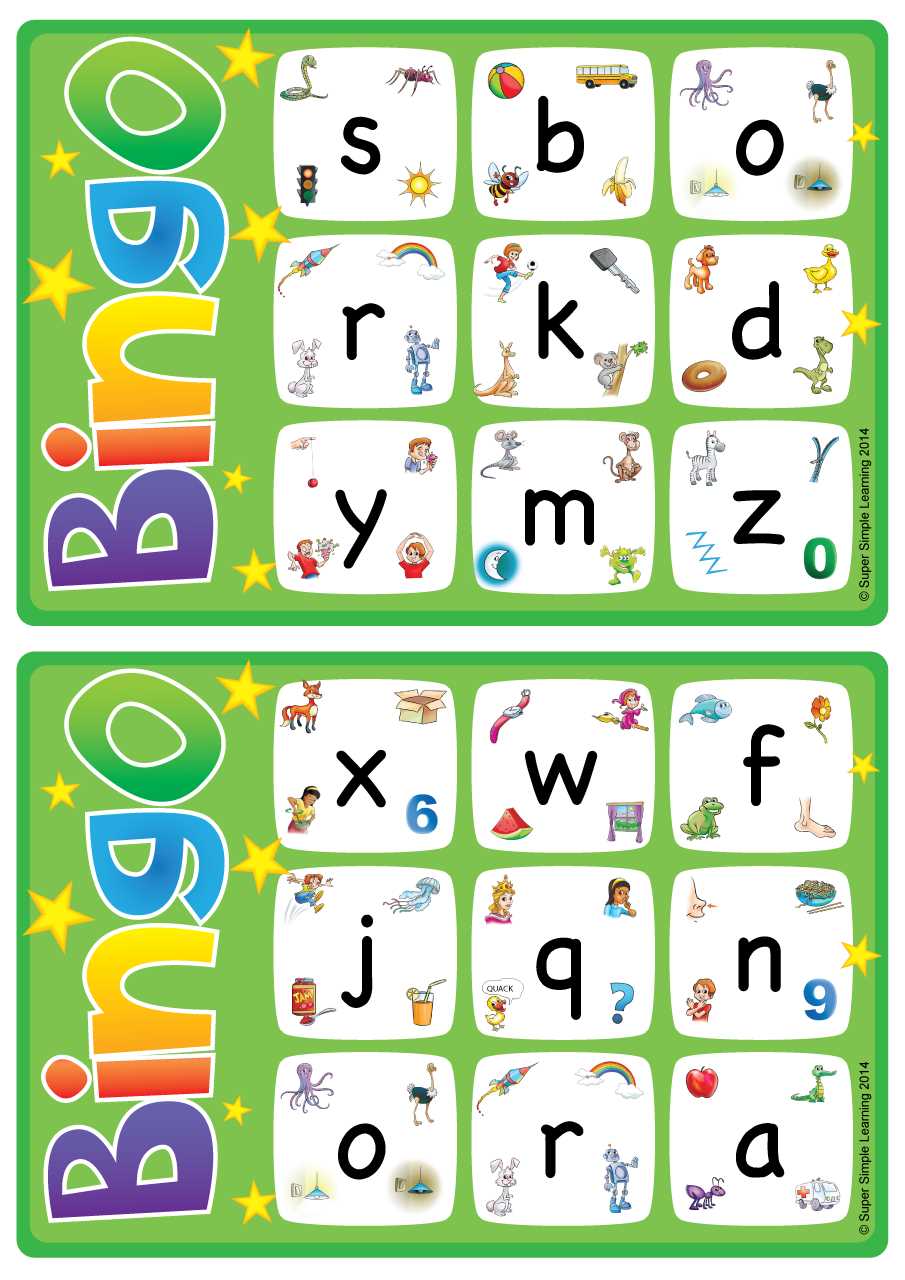
Download letter-based grid cards with 4×4 or 5×5 layouts and pair them with caller cards that show uppercase and lowercase symbols together; this format trains visual matching and case recognition within 10–15 minute sessions. For children aged 4–5, limit each round to 12–16 letters and focus on high-frequency characters (A, M, S, T, P). For ages 5–6, expand to the full 26-character set and require learners to say the sound before marking a square.
Use thick 120–160 gsm paper to prevent ink bleed and laminate the boards for repeated classroom use; dry-erase markers allow up to 30 reuse cycles per set. In small groups of 4–6 students, assign one caller and rotate the role every round to practice articulation and listening accuracy. Track response time: a well-paced group should identify and cover a called symbol within 3–5 seconds.
At home, print two identical sets and play memory-style rounds: place tokens only after the child produces a word that begins with the announced letter. For example, after hearing “B,” the learner says “ball” or “book” before covering the square. Keep a visible list of previously used vocabulary and aim to add five new words per week.
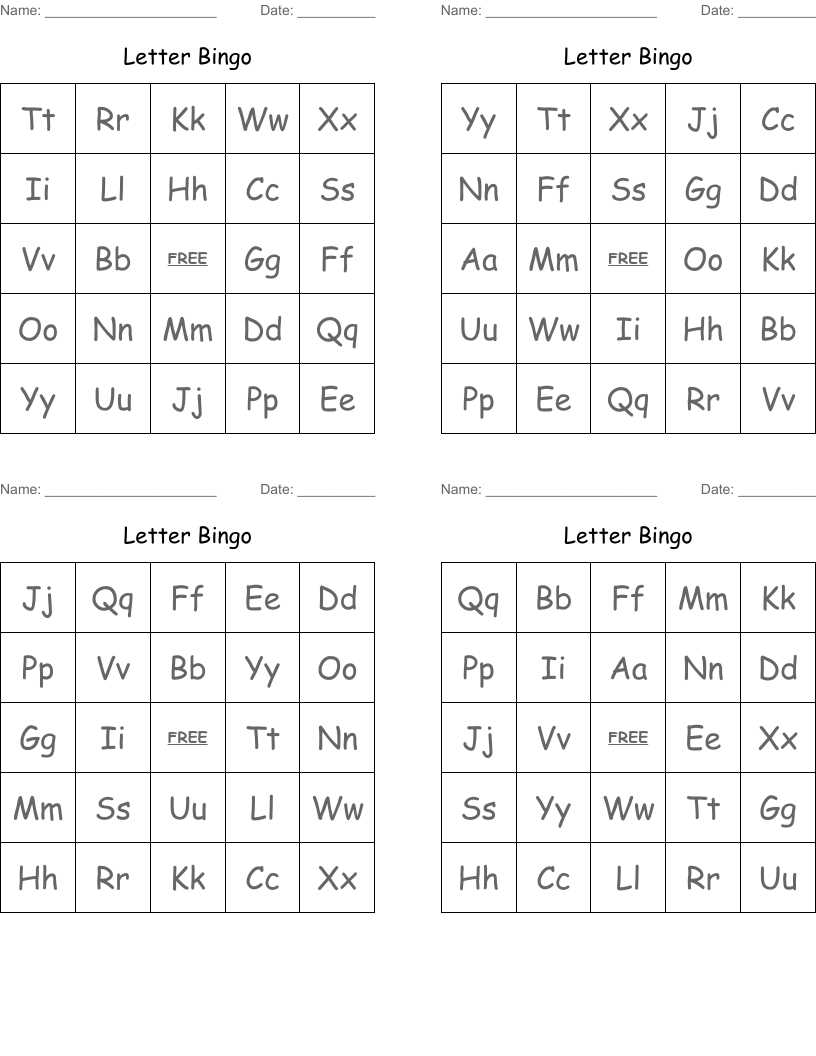
For phonics reinforcement, separate boards by sound families rather than alphabetical order. Create themed sets focused on short vowels (a, e, i, o, u) or consonant blends (sh, ch, th). During each call, require the child to stretch the sound for two seconds and then provide an example word. This method strengthens sound-symbol mapping and auditory discrimination.
In mixed-ability classrooms, color-code cards by difficulty level: green for single letters, blue for beginning sounds, yellow for ending sounds. Advanced learners can mark a square only after spelling a three-letter CVC word linked to the chosen character. Maintain a simple scoring chart to record correct responses across five sessions and review progress weekly.
Integrate handwriting by asking students to trace the announced letter on mini whiteboards before placing a marker on their card. Allocate 20 seconds for formation practice and correct pencil grip where needed. This dual task connects recognition with motor memory and reduces reversal errors such as b/d or p/q.
Adjust grid density based on attention span. Preschool learners benefit from 3×3 boards with nine symbols, which can be completed in under eight minutes. First graders handle 5×5 matrices lasting up to 20 minutes without losing focus. Rotate card arrangements regularly so children rely on recognition rather than memorized positions.
Store sets in labeled envelopes by theme–uppercase, lowercase, sounds, blends–and schedule two sessions per week, each targeting a specific skill. After four weeks, reassess by mixing all categories in a single round and noting accuracy percentage; aim for at least 90% correct identification before advancing to digraphs and more complex phonetic patterns.
How to Download, Format, and Print Letter Recognition Game Cards for Early Literacy Activities
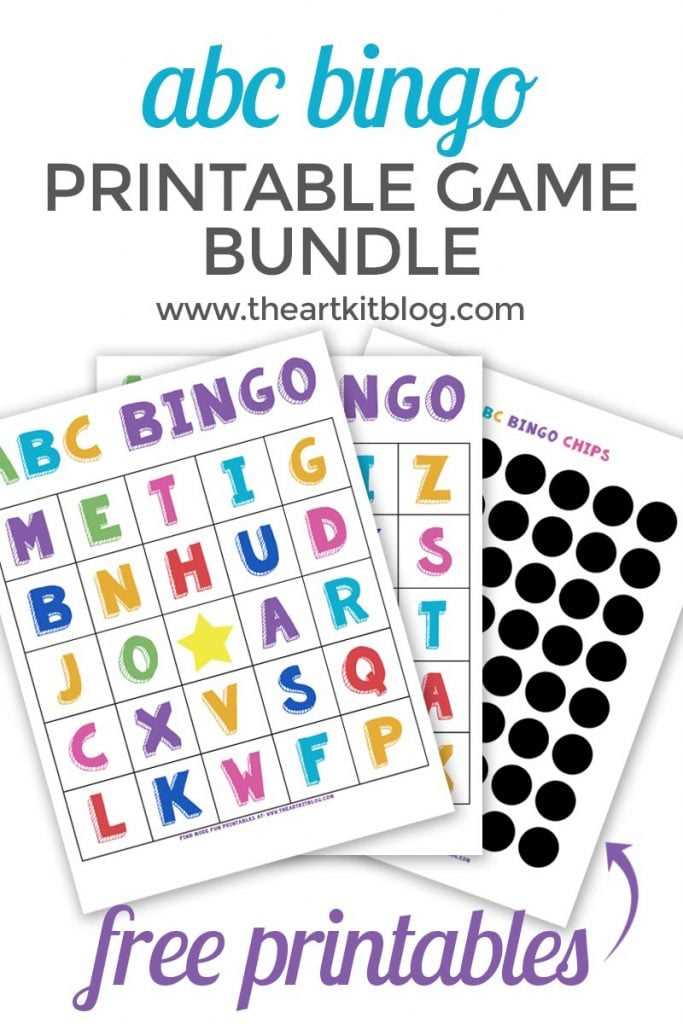
Download the PDF version of the alphabet grid cards in US Letter (8.5×11 in) or A4 (210×297 mm) to match your printer settings and avoid automatic scaling. Select files with at least 300 DPI resolution so letterforms remain sharp after duplication. If multiple boards are included in one document, check that each page contains a distinct layout to prevent identical grids in group sessions. Save the file locally before opening it in a PDF reader that allows scaling control, such as setting print size to “Actual size” rather than “Fit,” which can distort square cells and reduce writing clarity.
Format the pages based on the activity structure: use full-page sheets for circle time and reduce to 2 cards per page (50% scale) for small-group tables. Keep margins at 0.5 inches (12–13 mm) to prevent clipping on home printers. For durability, choose 160–200 gsm cardstock; for reusable sets, laminate with 3–5 mil pouches and cut with a rotary trimmer to maintain straight edges. If ink usage is a concern, switch printer settings to grayscale and disable background graphics while keeping bold uppercase and lowercase letters visible for contrast-based recognition drills.
Print one test sheet before batch production and verify alignment, especially if your device defaults to borderless mode. After printing, organize cards into labeled envelopes by letter set (A–M, N–Z) or by mixed-case combinations to target specific phonics goals. Pair each board with 1-inch circular markers or dry-erase tokens sized slightly smaller than the grid squares to avoid covering the full character shape during identification tasks.