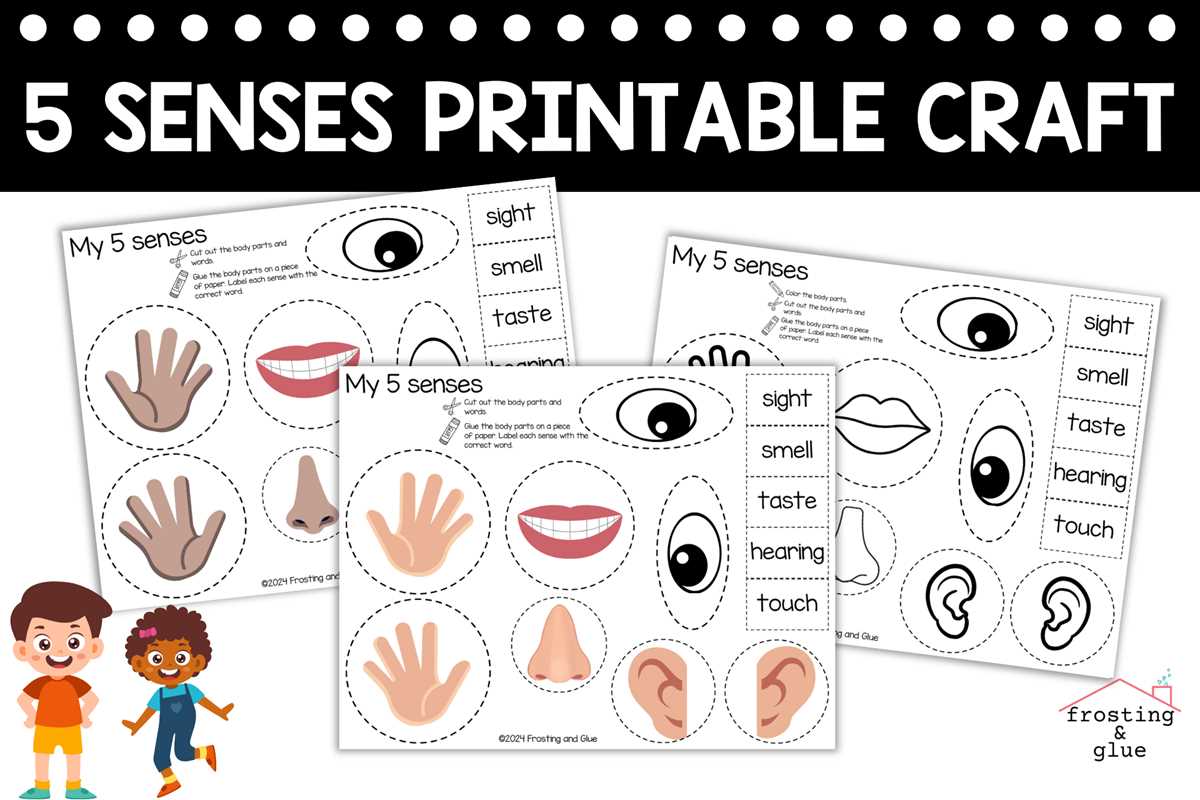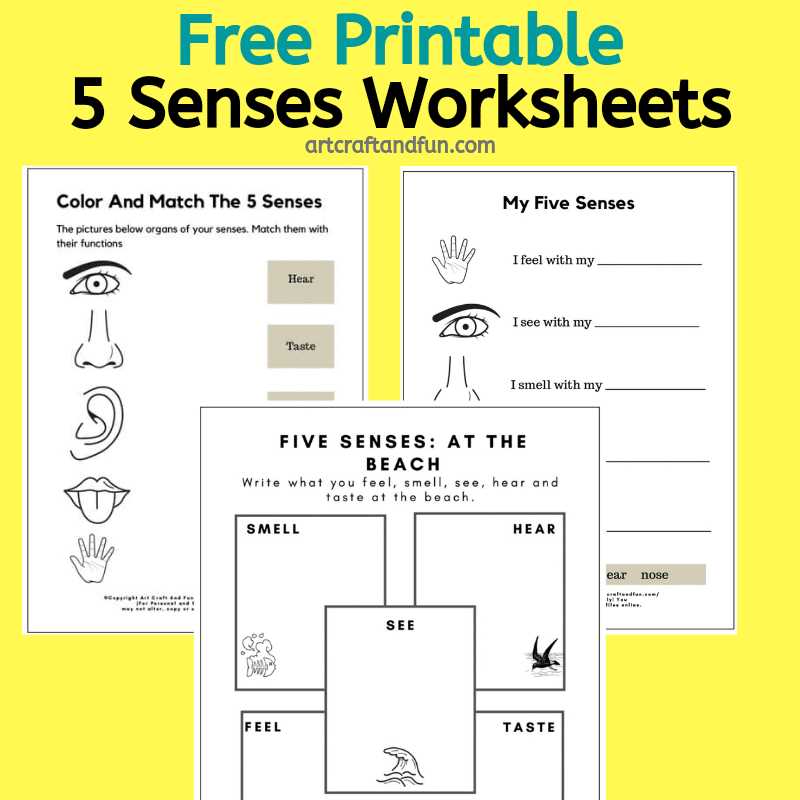
Use ready-to-download activity sheets that focus separately on sight, hearing, touch, taste, and smell to structure weekly lessons for children aged 3–8. Choose sets that include labeling tasks, sorting cards, tracing lines, and simple recording charts so learners can observe, compare, and document sensory input with clear prompts. For preschool groups, prioritize large-format visuals (A4 or US Letter) with bold outlines and minimal text; for early elementary students, select pages that add short reading passages and data tables.
Select materials that offer differentiated difficulty levels within the same theme. For example, a matching page for ages 3–4 may ask children to connect pictures of objects to the body parts used to perceive them, while ages 6–8 can complete Venn diagrams comparing how sight and hearing work together during activities such as crossing a street or watching a short video clip. Worksheets with cut-and-paste elements improve fine motor skills, especially when printed on 120–160 gsm paper to prevent tearing.
Prioritize resources that include observation logs and mini-experiments. A structured tasting chart with columns for texture, temperature, and flavor intensity helps children expand descriptive vocabulary. A sound-mapping template encourages them to sit quietly for three minutes and record background noises using tally marks. For tactile exploration, use texture checklists paired with fabric swatches or classroom objects, guiding learners to categorize surfaces as rough, smooth, soft, or rigid.
Ensure that each packet contains clear teacher instructions and answer keys to streamline preparation. Files provided in PDF format with editable fields allow quick customization of instructions, vocabulary lists, or classroom rules. Printing in grayscale reduces ink consumption by up to 60%, while laminated versions of sorting cards can be reused across multiple sessions, reducing preparation time and material costs.
Integrate assessment pages that measure understanding through short reflection prompts such as “Which perception helped you most during the activity and why?” or structured checklists aligned with early science standards. Worksheets that combine drawing spaces with sentence frames support both language development and observational skills, making them suitable for mixed-ability classrooms and home learning environments.
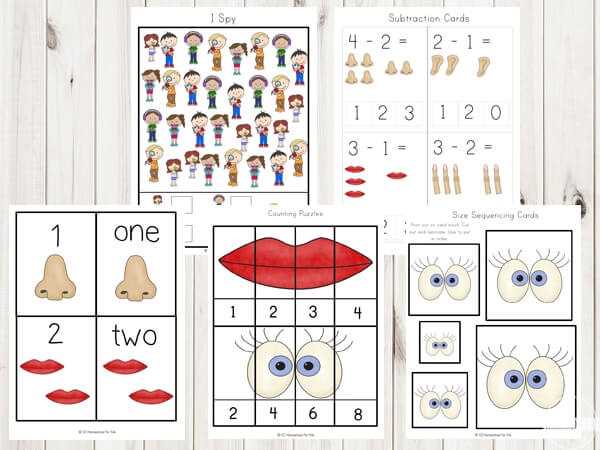
Five Senses Free Printables for Structured Preschool and Kindergarten Activities
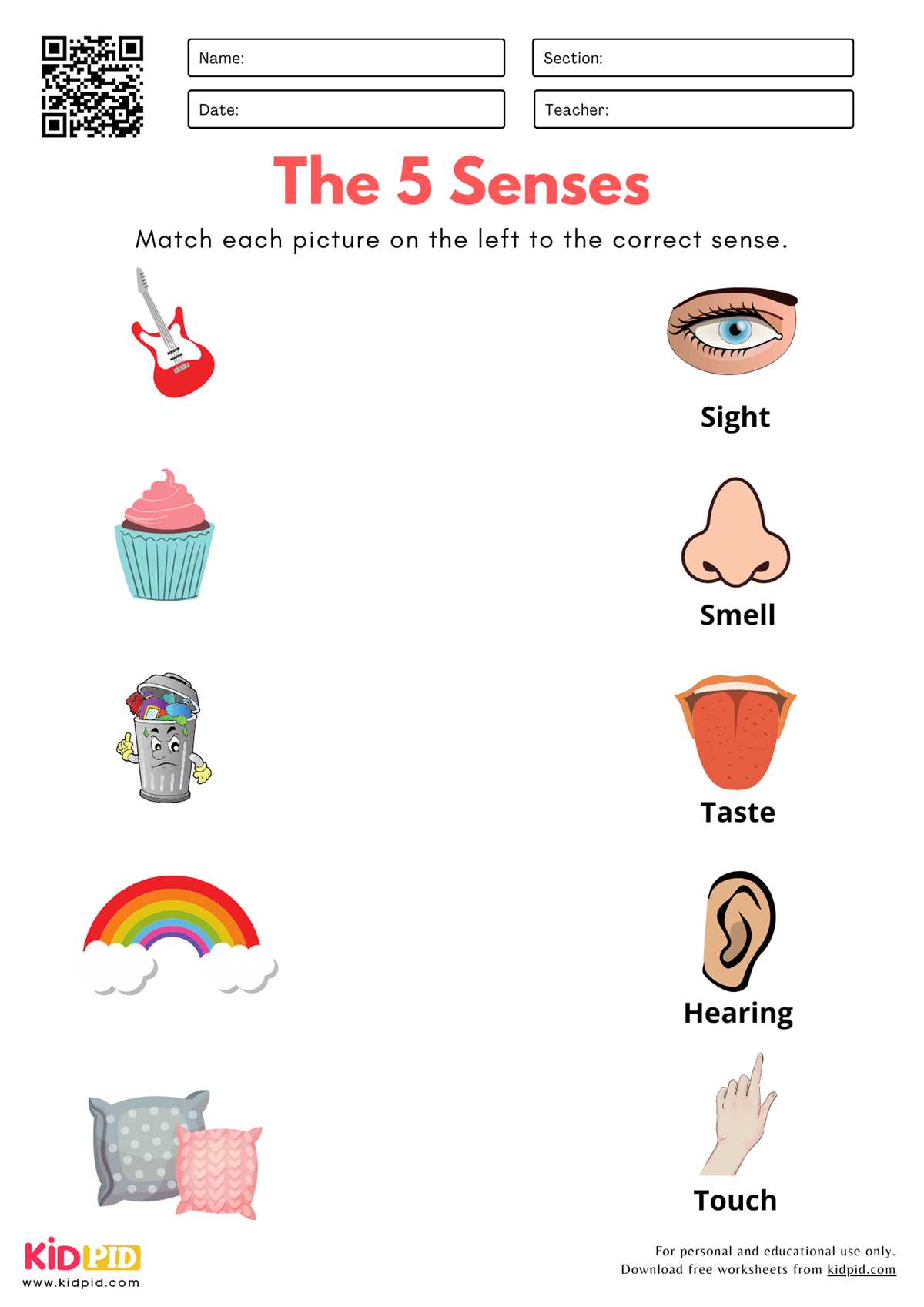
Use themed activity sheets focused on sight, hearing, smell, taste, and touch to structure 15–20 minute rotations in preschool and kindergarten groups. Allocate one perception category per day and prepare matching cards, tracing pages, and simple sorting boards with 6–8 clearly illustrated objects per sheet. For children aged 4–6, limit each task to a single instruction such as “Circle items you can hear” or “Match textures to the correct hand icon” to reduce cognitive overload and maintain task completion rates above 80% within a small group of 5–7 learners.
Design classification worksheets with two-column sorting grids labeled by sensory organ icons (eye, ear, nose, tongue, hand). Include exactly 10 images per page, balanced across categories, to support measurable assessment. Ask children to cut and glue pictures into the correct column; this integrates fine motor practice with concept recognition. Track accuracy using a simple checklist: 8/10 correct indicates mastery, 6–7 suggests guided repetition, below 6 requires reteaching with real objects.
Incorporate tracing and labeling pages that pair dotted vocabulary words with clear line drawings. Limit vocabulary to high-frequency nouns such as “bell,” “lemon,” “sand,” “flower,” and “ice.” Provide uppercase and lowercase tracing lines to reinforce letter formation. For kindergarten students, add a second line without dots for independent writing. Keep font size at 36–48 pt for early learners to support visual discrimination and prevent crowding.
Create cut-and-paste mini books with one perception focus per page. Each booklet should contain five interior pages plus a cover. On every page, include a sentence frame like “I use my ears to hear ___.” Encourage children to select one of three small images to glue into the blank. This structure promotes sentence construction and oral rehearsal before writing. Limit assembly time to 25 minutes by pre-cutting covers and stapling spines in advance.
Plan tactile exploration charts where children record observations using smiley-face rating scales (soft, rough, smooth, sticky). Provide a simple three-level scale instead of numeric scoring to align with pre-math readiness. Pair the worksheet with a sensory bin containing 4–6 materials. After hands-on exploration, require learners to mark one box per texture sample; this links experiential input to symbolic representation.
Use listening discrimination worksheets with picture rows of similar sound sources (drum, door knock, clap, rain). Play recorded sounds for 10–15 seconds and instruct children to point, then mark the matching image. Keep audio segments short and repeat each sound twice. Limit each page to five trials to maintain focus. Record results to identify patterns, such as confusion between environmental and musical sounds.
Schedule weekly review sheets combining all perception categories in a single mixed-format assessment: matching, coloring, circling, and one short drawing prompt (“Draw something you like to smell”). Cap total tasks at 12 items to fit a 30-minute session. Rotate formats every two weeks to prevent routine fatigue, and store completed pages in individual portfolios to document developmental progress across the term.