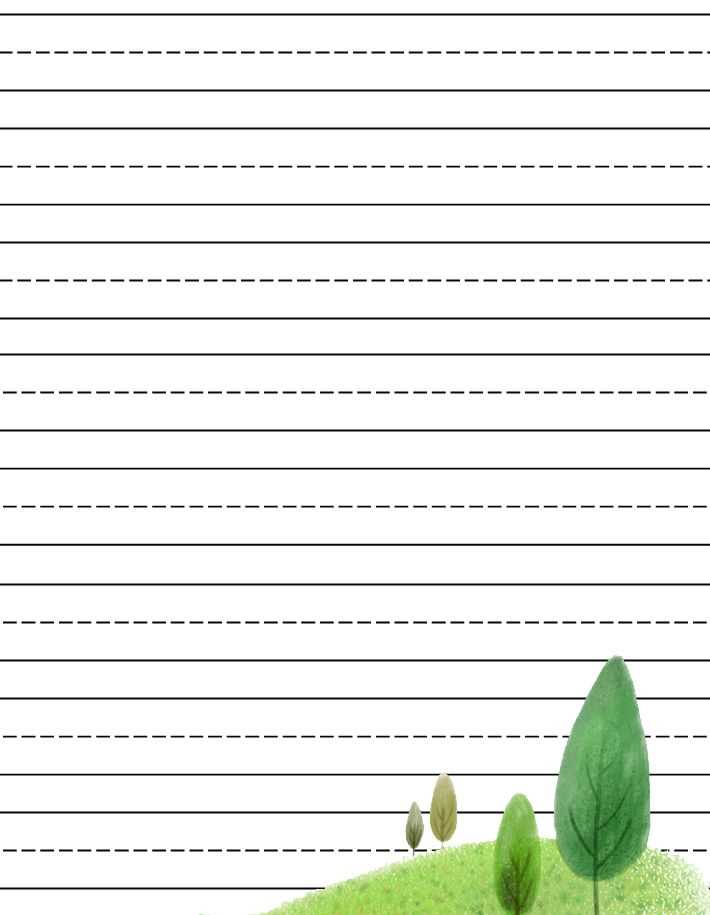
For children just starting to learn how to form letters and sentences, selecting the right sheet for practice can make a noticeable difference. Choose lined templates that offer ample space between lines, as this helps in improving letter formation and spacing. Additionally, consider using variations in line thickness to guide young learners in understanding where to write within the lines. Many websites provide free templates to download and use at home or in a classroom setting, offering a convenient tool for teaching handwriting.
Using a standard layout, such as larger lines with a dotted middle, gives children a clear reference for both uppercase and lowercase letter construction. This format is particularly helpful for children who are still mastering hand-eye coordination and fine motor skills. Templates that include both blank spaces and lined sections encourage a balanced approach to writing, making practice less daunting and more engaging.
If you’re looking for variety, several versions of these sheets are available, tailored to different age groups and skill levels. You can choose between dotted midline papers, smaller lines for advanced learners, or more spacious formats for beginners. By adjusting the size and complexity of the lines, you’ll ensure that your young learner progresses at their own pace, mastering letter shapes and eventually writing complete sentences.
Printable Primary Writing Paper
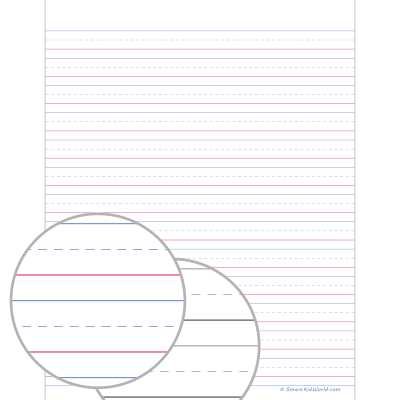
For young learners, selecting a proper format for handwriting practice is crucial for development. Use templates with large lines that allow enough space for letter formation. These sheets should feature wide spacing between lines to accommodate different sizes of letters and to prevent crowding, making writing easier and more comfortable.
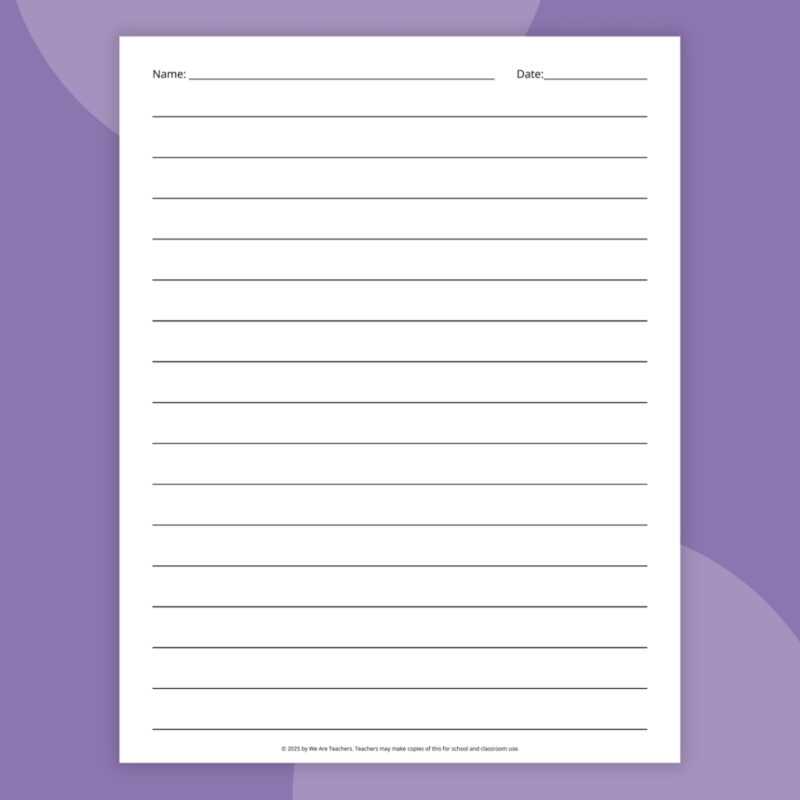
Another important consideration is the style of the lines. Templates with dashed middle lines are ideal for helping children understand where to place the center of letters. This design serves as a guide for both uppercase and lowercase letters, making it easier to follow the correct proportions. These sheets are perfect for early learners still getting the hang of letter shapes.
As children progress, switch to narrower lines or even remove the dashed center. This will challenge them to write smaller and more neatly, encouraging more advanced motor control. The progression from wider lines to narrower ones should be gradual, allowing children to build confidence and skill over time.
Printable resources offer variety, with templates that include both simple lines and themed illustrations to engage children in the writing process. Consider using sheets that combine writing practice with fun activities, such as drawing or coloring, to keep young learners motivated. Themes like animals, holidays, or seasons add a creative element to the experience, making it more enjoyable for kids.
Having access to free downloadable templates online allows for quick and easy access to resources that fit any specific learning need. Whether you’re teaching at home or in the classroom, these sheets can be printed and reused to suit various educational goals, from practicing letter formation to improving overall writing skills. Customizing the templates based on skill level is simple and ensures that children are continuously challenged as they develop their handwriting abilities.
How to Choose the Right Writing Paper for Young Learners
When selecting a sheet for early handwriting practice, prioritize large lines with plenty of space between them. This format helps children control their letter size and prevents them from crowding their letters, which can lead to difficulty in forming them properly. Sheets with dashed center lines also serve as a visual guide for writing both upper and lower case characters with the correct proportions.
As learners advance, transition them to narrower lines and eventually to plain, unlined sheets. This progression challenges their motor skills and encourages the development of more precise, smaller handwriting. Choose themes that engage young learners, like seasonal or animal illustrations, to keep them motivated. Customizing the templates for individual needs, based on their current handwriting abilities, ensures consistent improvement.