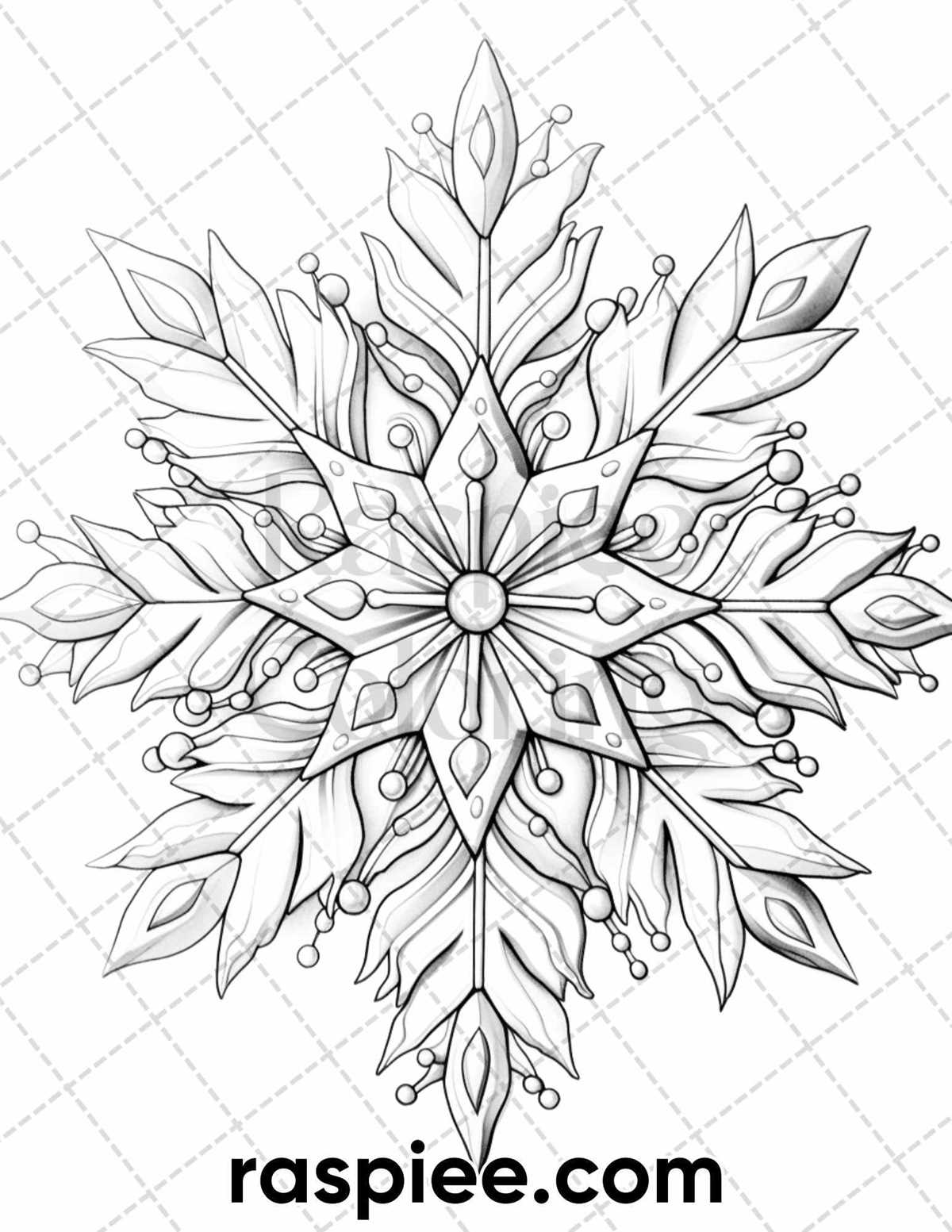
Choose ready-to-cut winter flake templates in PDF format if you want clean, symmetrical decorations without spending hours drawing patterns by hand. High-resolution files (300 DPI or higher) produce sharper edges after cutting, especially when printed on 160–200 gsm matte paper. For window displays, select designs with bold outer contours; they remain visible even from 3–5 meters away.
For home crafting sessions with children, pick simple six-fold patterns with wide negative space. These reduce tearing and help younger users cut accurately using standard safety scissors. Intricate lace-style designs work better for adults using precision knives and self-healing cutting mats. If the goal is hanging decor, add a 2–3 mm punch hole near the top point before unfolding the paper to keep the shape balanced on thread or fishing line.
Color choice also affects the final look. Bright white sheets create a crisp frosty effect against dark glass, while pastel or metallic paper adds depth under warm string lights. For repeat use, laminate the finished shapes with 80–100 micron film; this increases durability and allows storage without edge curling. Keep finished pieces flat in an A4 folder to preserve symmetry for the next winter season.
Festive Paper Flake Templates: Practical Guide for Downloading, Printing, and Using
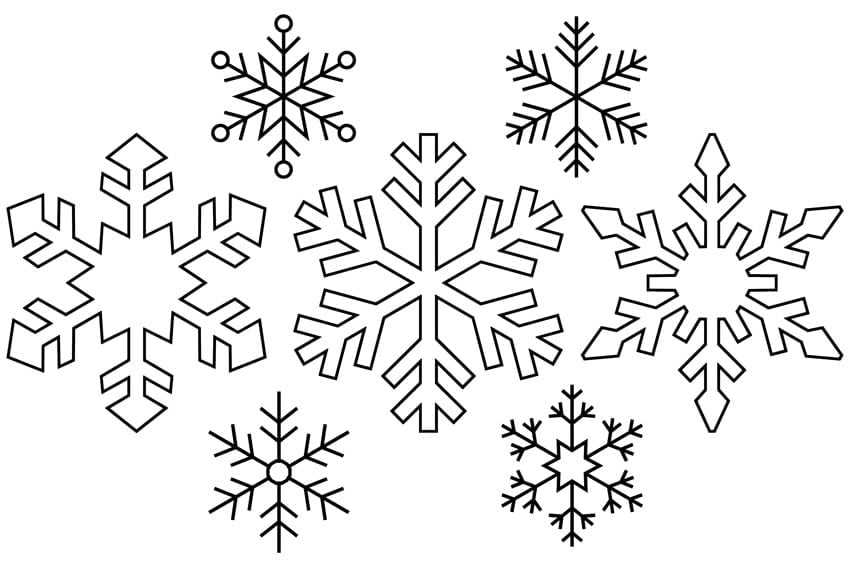
Download files in PDF format whenever possible; they keep line thickness consistent and avoid distortion during scaling. Choose sources that offer vector-based designs rather than low-resolution JPEGs, and verify that each file lists the intended paper size (usually US Letter or A4) before saving.
After downloading, open the file in a reader that allows precise scaling control. Set the print size to 100% and disable “fit to page,” which often shrinks fine details and ruins symmetry. For intricate patterns, select the highest printer quality and plain white paper between 80–120 gsm; thinner sheets tear during folding, while heavier stock becomes difficult to cut cleanly.
Before printing multiple copies, run a single test page and inspect the outer lines. If borders look faint or broken, increase contrast in printer settings or switch to grayscale rather than draft mode. Keep a stack of spare sheets nearby so you can immediately reprint if alignment looks off.
Use sharp, fine-tip scissors or a precision craft knife with a cutting mat. Fold the sheet exactly along the guide lines shown in the template; uneven folds create lopsided results. For complex motifs, press folds firmly with the back of a spoon or a bone folder to keep layers from shifting while cutting.
For classroom or group use, pre-sort templates by difficulty. Simple six-fold designs suit younger children, while multi-segment radial patterns challenge older users. Label printed stacks with pencil marks in the corner so you can track which version produced the cleanest results.
Finished paper shapes can serve more than window décor. Tape them to gift wrap for textured packaging, string them into garlands with clear thread, or laminate them for reusable winter ornaments. If durability matters, lightly spray the finished piece with clear acrylic sealer and let it dry flat.
Store unused digital files in a clearly named folder structure such as “winter_cut_patterns/simple” and “winter_cut_patterns/advanced.” Keeping versions organized saves time when you need quick access for seasonal projects or last-minute crafts.
If edges appear fuzzy after cutting, switch to a fresh blade and reduce the number of folded layers in future prints. Small adjustments in paper weight, printer quality, and cutting tools usually produce sharper, more symmetrical decorative flakes.
Where to Find High-Quality Free Christmas Snowflakes Printables for Different Skill Levels
Use trusted craft libraries such as FirstPalette and SuperColoring, where downloadable winter cutout templates are sorted by complexity and file quality. These platforms offer clean vector PDFs that print sharply on standard US Letter or A4 paper, which prevents jagged edges during cutting. For classrooms or home use, choose files labeled “outline only” for easier trimming or “detailed pattern” for intricate designs.
Beginners benefit from collections designed for young children or first-time crafters. Look for sets that feature thick outer lines and low fold counts. Reliable sources typically provide:
- Simple 4-fold paper patterns with wide cutting paths
- Bold black outlines for easy scissor control
- Preview images showing finished results
- PDF format instead of low-resolution JPG files
Websites such as Twinkl and Easy Peasy and Fun frequently label difficulty levels clearly, which saves time when selecting materials for preschool or early elementary users.
Intermediate crafters should search for themed winter paper designs that include moderate symmetry and interior cutouts. Teacher resource hubs and homeschooling blogs often host free downloads that balance detail with manageable cutting time (typically 10–20 minutes per piece). Check whether the template indicates fold lines and cutting guides; files lacking these markers often lead to uneven results. Pinterest can help with discovery, but always download from the original source to avoid compressed images.
Advanced hobbyists will find the richest selection in designer portfolios and SVG libraries that also provide printable PDFs. Platforms like Creative Fabrica Freebies and Design Bundles Free Design Resources periodically release intricate winter paper art with micro-cuts and radial symmetry. Choose files with:
- Minimum 300 DPI resolution
- Vector-based PDF or SVG origin
- Six- or eight-fold symmetry guides
- Finished diameter noted (usually 6–8 inches)
These details signal that the template was prepared by experienced paper artists rather than auto-generated graphics.
Before printing any festive cut pattern, preview the file at 100% scale and test one copy on regular paper. High-quality sources rarely require resizing and usually include margin guidance. Keeping separate folders for beginner, mid-level, and expert templates helps maintain an organized seasonal craft library and speeds up future decorating sessions.