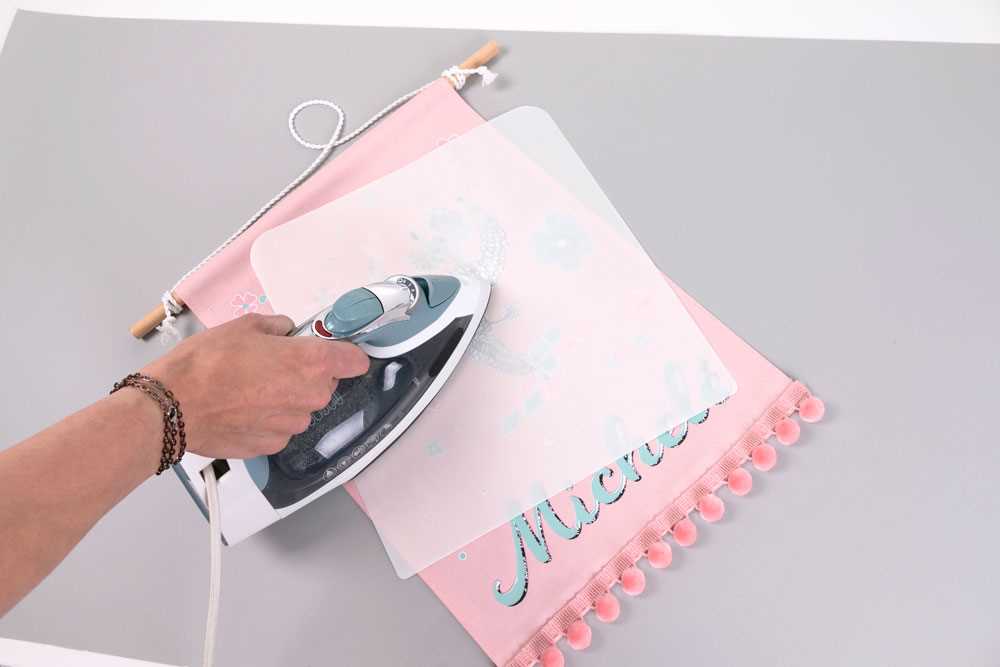
For high-quality, durable designs on fabrics and other surfaces, heat transfer sheets offer a reliable solution. They allow for crisp, full-color prints that withstand washing and everyday wear. When choosing the right material for your printing needs, opt for sheets that can hold intricate details and vivid colors without fading or cracking over time.
Look for options with a strong adhesive backing, which ensures that the design stays firmly in place during application. Make sure the material you choose is compatible with your printer, whether it’s inkjet or laser, as some types of sheets require specific ink types to achieve optimal results.
If you’re working with dark-colored fabrics, choose a transfer material that offers enhanced opacity. This helps prevent any unwanted color bleed-through, maintaining the vibrancy of your design. A smooth, even application is crucial for achieving professional-quality results, so consider using a heat press machine for consistency and better control over temperature and pressure.
Finally, prioritize ease of use. Transfer sheets that come with clear instructions for both beginners and experts make the process more manageable. They should also be flexible enough to handle small to large designs without compromising the quality of the print.
DTF Printable Vinyl: A Practical Guide
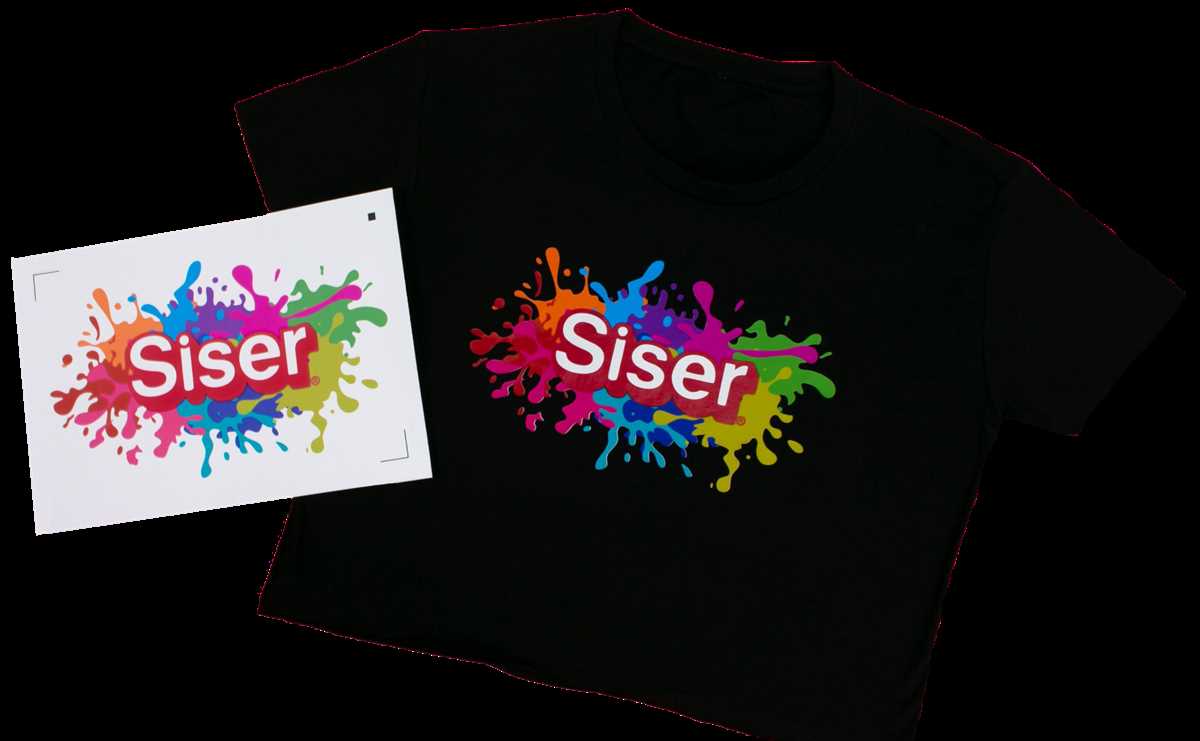
To ensure high-quality prints, use the right type of transfer material. Opt for a high-performance heat transfer film compatible with inkjet printing technology. This ensures your designs retain clarity and vibrancy after the printing and heat press process.
Before printing, always perform a test run on a scrap piece of film. This prevents any issues with alignment or ink saturation. Adjust the printer settings based on your specific material’s requirements to avoid ink smudging or uneven transfers.
Proper temperature and pressure during the heat transfer process are key to achieving long-lasting results. Typically, the ideal temperature ranges from 300°F to 330°F, and the pressure should be moderate, not excessive. Overheating or under-pressing can compromise the final outcome.
Ensure your printer is equipped with quality ink that is designed for transfer applications. Pigment-based inks tend to provide more durable prints on fabric or other surfaces compared to dye-based inks, which are more susceptible to fading.
- Choose a high-quality transfer film specifically designed for your intended material.
- Test different heat press settings before starting production to find the optimal configuration.
- Use pigment-based ink for improved print durability.
When working with these materials, cutting your design precisely is essential. A vinyl cutter should be calibrated to avoid jagged edges, which may affect the transfer’s visual appeal. Make sure the blade is sharp to ensure smooth cutting of intricate designs.
Always allow your transfers to cool down completely before peeling off the backing. Premature removal can cause distortion or smudging of the design. This cooling period helps set the design, ensuring it adheres firmly to the surface.
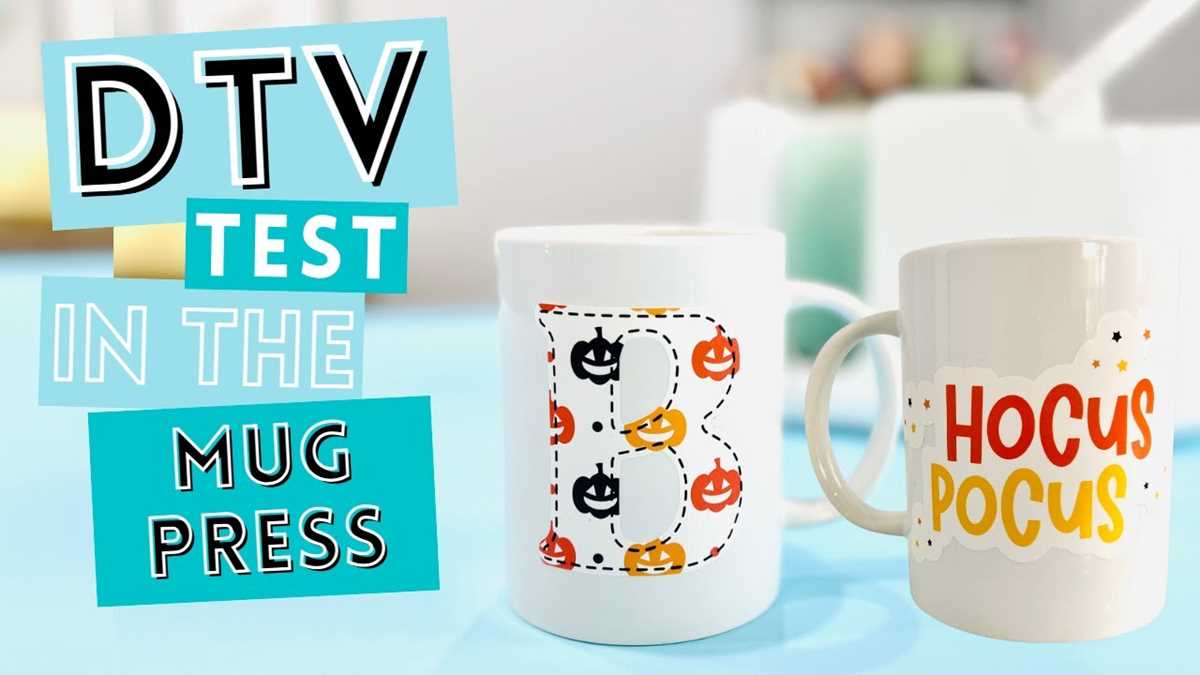
Finally, proper post-transfer care is critical for the longevity of your prints. Avoid washing the printed items in hot water immediately after application. Hand washing or using cold settings on the washing machine will help maintain the design’s integrity for a longer time.
HTML
Choosing the Right DTF Printable Vinyl for Your Printer
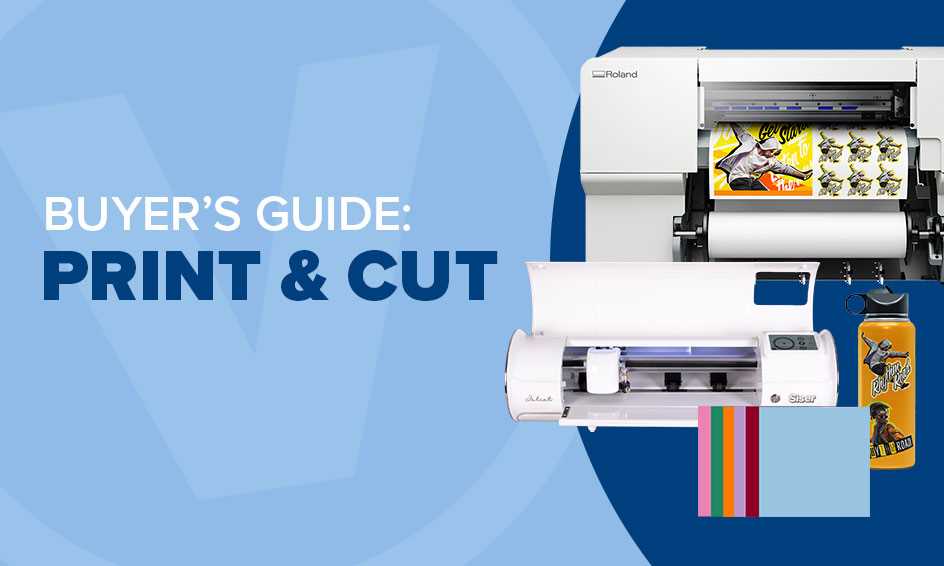
Ensure that the transfer material matches the specifications of your printer. For inkjet printers, look for materials designed to handle pigment-based or dye-based inks. The texture and absorbency of the sheet play a key role in achieving clear and crisp prints. A smooth, evenly-coated surface helps prevent ink smudging and uneven transfers.
Evaluate the weight and flexibility of the film depending on your intended application. Thicker films provide greater durability but may require higher heat and pressure for proper adhesion. For printing on clothing or other curved surfaces, choose a more flexible product that will adapt well without distorting the design.
Check the compatibility with your heat press machine. Some transfer sheets are optimized for specific temperature and pressure settings. Testing the material with your machine before starting production ensures that the results meet your expectations, avoiding issues like fading or lifting.
Consider the longevity of the print after heat application. Select products that offer resistance to cracking, peeling, and fading, especially on fabrics that will endure repeated washing. A high-quality transfer will maintain its appearance and durability over time, ensuring that designs stay intact on garments or other items.