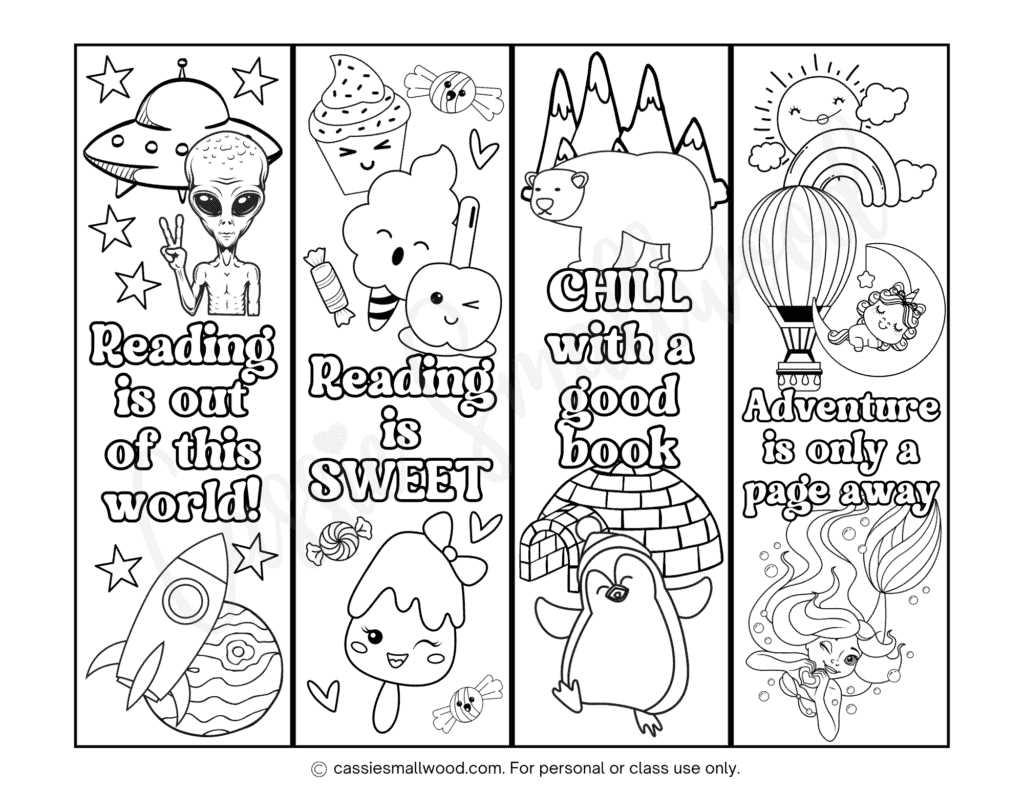
To get started, choose a sturdy paper like heavy cardstock or thicker printer paper to ensure your designs are durable and last longer. Thin paper may not hold up well when you add colors or decorative elements, leading to tears or creases. Opting for a smooth texture is also helpful if you’re using colored pens or markers, as it prevents ink from smudging.
Once your design is ready, think about how you want to personalize it. You can add quotes, draw patterns, or even incorporate little illustrations to match your personality or style. If you plan on using multiple colors, it’s a good idea to choose a design that allows for easy color blocking, so each section stands out clearly. To keep the design neat, make sure your coloring tools are precise and clean.
After completing the design, consider finishing your project with a protective layer. Laminating your creation helps keep it intact, especially if it’s used frequently. You can also trim the edges neatly with scissors or a paper cutter to create uniform and polished edges, giving your creation a more professional look.
Creating Custom Designs for Your Reading Marks
Start with selecting a design that fits your style. Choose simpler patterns or geometric shapes for a cleaner look, or go for intricate details like floral designs or animal illustrations if you’re looking for more complexity. After printing your design, be mindful of the materials you’ll be using to decorate it. If you’re using markers, opt for smooth paper to avoid ink smudging. If you prefer colored pencils, a textured paper might provide a better feel and finish.
Once your creation is complete, consider adding a protective finish like lamination to ensure longevity. This is especially important if your markers are exposed to wear and tear, or if you plan to use it frequently. For a professional touch, trim the edges with a paper cutter or scissors to achieve neat, straight lines. You can also add a ribbon or tassel to make your design even more personalized and functional.
How to Choose the Right Paper for Printing Your Designs
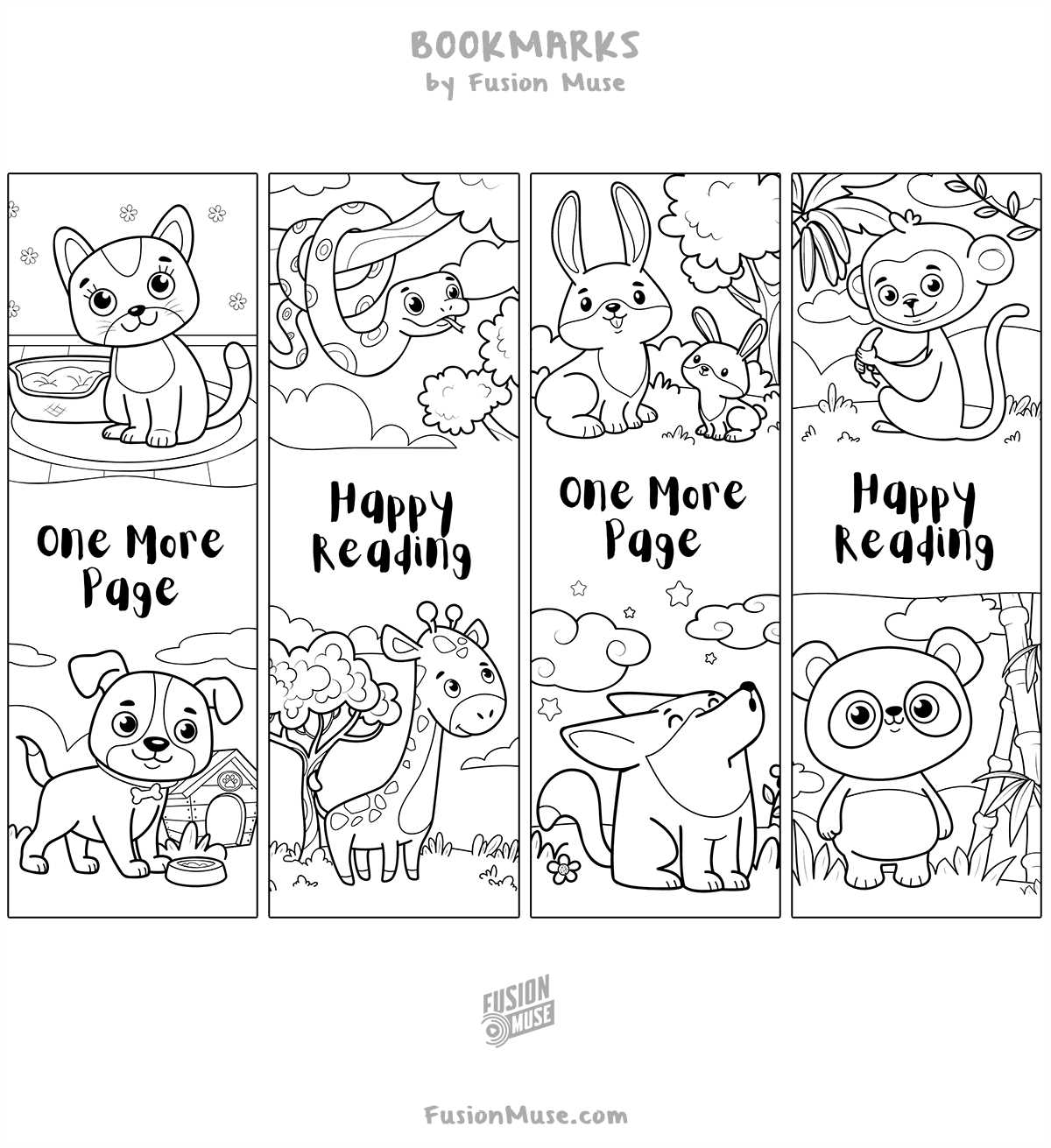
For durability, choose a thicker paper such as 80 lb to 100 lb cardstock. This will ensure your creations hold up well to regular handling and won’t tear easily. Thin paper may lead to a flimsy final product, especially if you’re adding color or intricate details.
If you’re planning to use markers or gel pens, select a smooth, high-quality paper. This prevents ink from bleeding through and allows colors to appear more vibrant. Paper with a glossy or satin finish will provide a smoother surface, ideal for liquid-based mediums.
For a more natural texture, consider using paper with a matte finish. This is perfect for colored pencils and pastels, as it allows for better blending and shading. Additionally, matte papers tend to be more affordable, making them a good choice for projects on a budget.