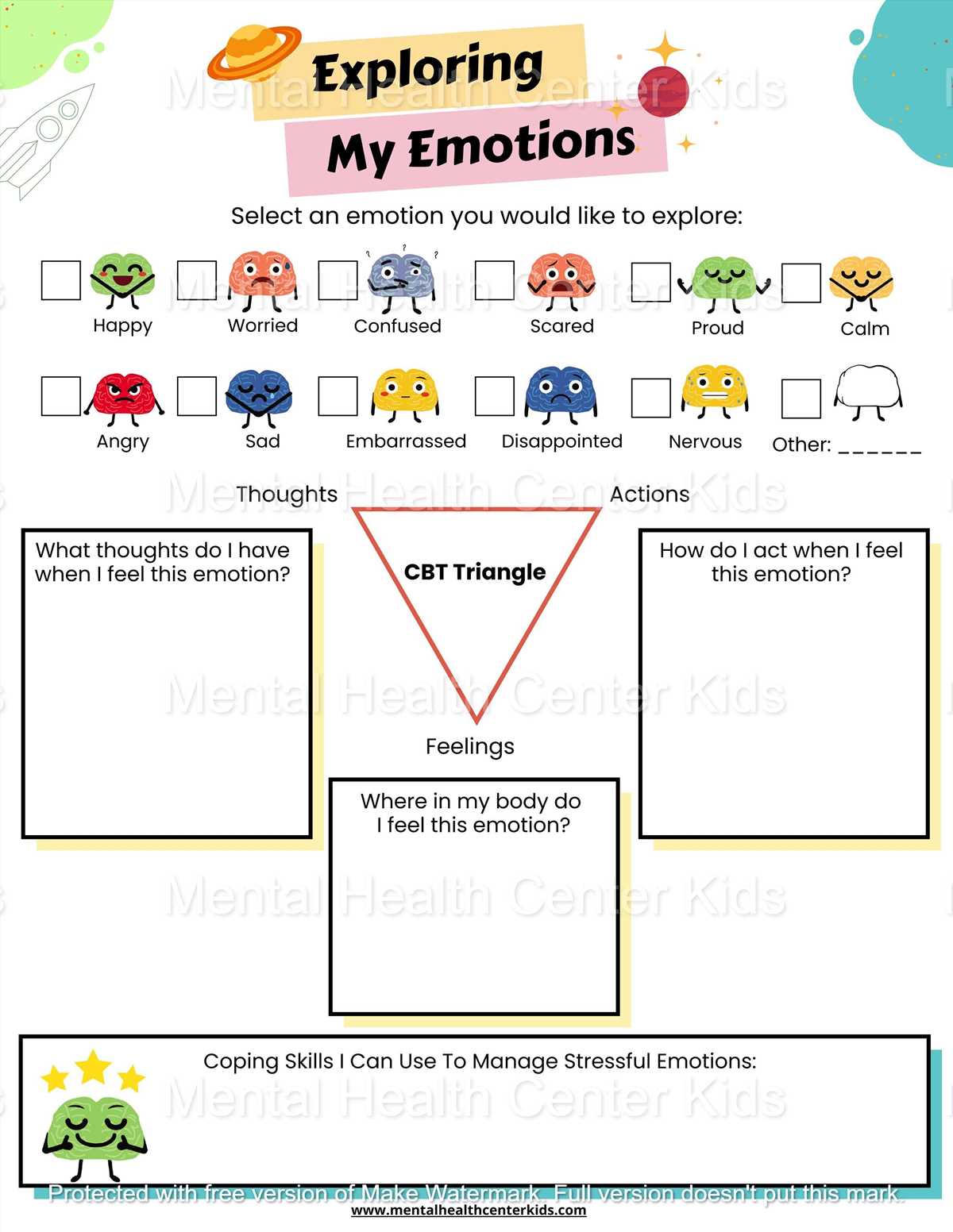
Start by selecting materials that are tailored to the emotional challenges your child or student may be facing. Look for designs that allow them to express feelings through drawing or labeling, which helps them connect abstract emotions with tangible experiences. This approach helps build emotional vocabulary and provides a safe space for self-expression.
For maximum benefit, integrate activities where individuals can reflect on past experiences related to the feeling they’re working on. You might prompt them to recall a time they felt happy, sad, or angry and express that feeling through art or writing. These activities encourage emotional awareness and empathy while providing concrete tools for navigating complex feelings.
Ensure the tools are varied to cater to different emotional needs. Some individuals may benefit from prompts focused on problem-solving, while others may need scenarios where they can express emotions freely. These exercises can act as a bridge for understanding personal emotions and can help develop healthier emotional responses over time.
How to Use Tools for Understanding and Expressing Feelings
Select activities that encourage individuals to explore their inner thoughts. For example, offering spaces where they can draw pictures or write about what they feel at a particular moment is an effective way to connect with their emotions. The key is creating an environment that allows free expression, whether through words or art.
Incorporate prompts that help individuals make connections between their internal states and external events. Ask specific questions like “What made you feel happy today?” or “When was a time you felt upset?” This approach creates an opportunity for self-reflection, which can increase awareness of their emotional triggers.
Encourage the use of symbols or color-coded systems that align with different emotional states. For example, using red to represent anger or blue for sadness can help make abstract feelings more concrete. This not only aids in identification but also in recognizing emotional shifts more easily.
To support children or individuals with difficulty articulating their emotions, offer guided exercises such as matching emotions with facial expressions or body language. These types of activities can serve as an entry point for deeper conversations and help break down emotional barriers.
Finally, allow flexibility in how individuals express their feelings. Some may prefer a more creative approach, while others may gravitate toward writing or structured exercises. By providing varied options, you ensure that everyone can engage in a way that feels comfortable to them.
How to Choose the Right Worksheet for Your Needs
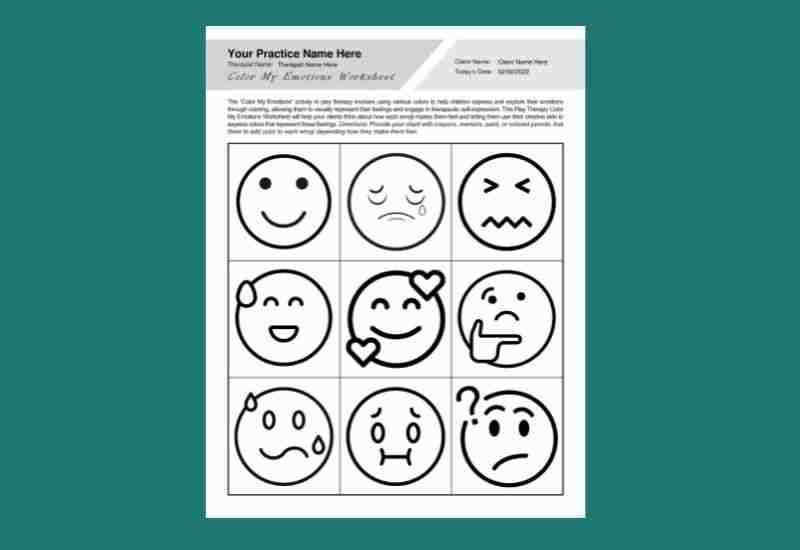
To find the right exercise sheet, first determine the age group and developmental level of the person using it. For young children, use simple activities with visual aids, such as drawing or matching exercises, while more complex tasks with written prompts may be better for older individuals.
Next, consider the specific goals you want to achieve. If the objective is to help individuals recognize and label their feelings, choose tools with clear, simple expressions or words. If you’re aiming for emotional regulation, focus on materials that include exercises for managing intense reactions.
Lastly, consider whether you need guided exercises or more open-ended activities. Some individuals may benefit from structured tasks, such as tracing steps to calm down, while others might prefer activities that allow for more personal reflection, like journaling or free drawing.