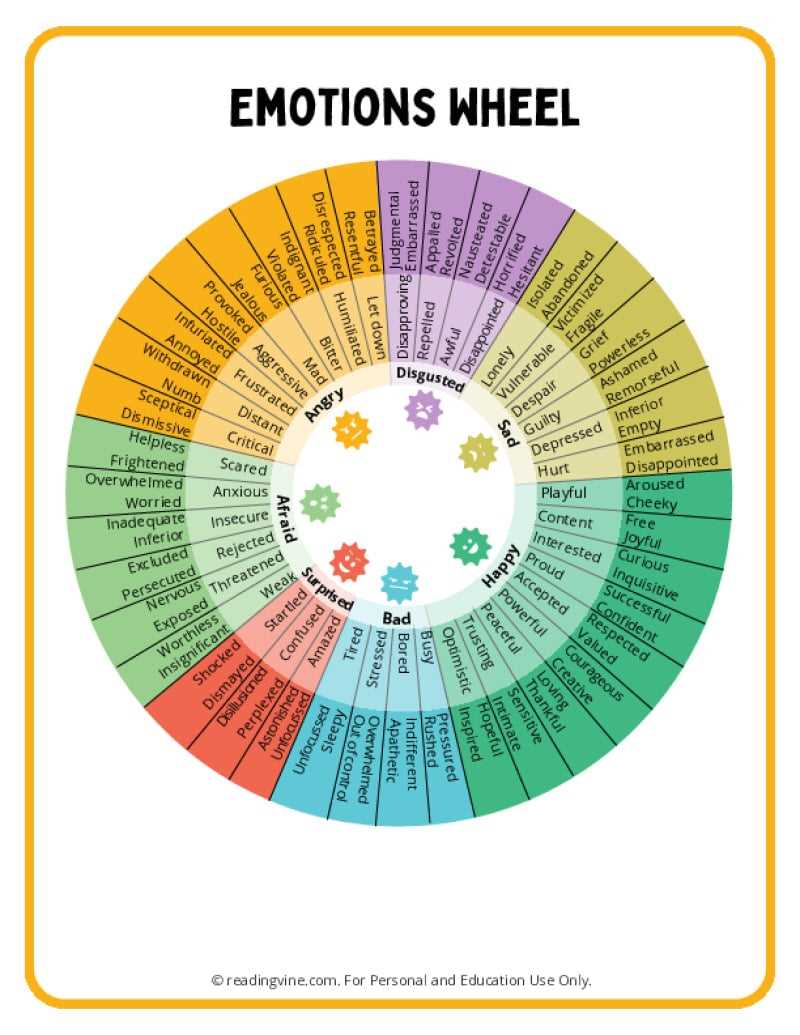
Begin tracking your emotions with a simple yet powerful tool that helps to categorize and understand your mood patterns. This method is ideal for those looking to pinpoint their emotional state and reflect on it more clearly. By using this circular diagram, you can identify your emotions quickly and get a clearer sense of what you’re experiencing throughout the day.
Using this tool can aid in emotional expression, whether for personal growth or in professional settings. It’s especially beneficial for those struggling to articulate their emotions, offering a visual way to express how one feels. The diagram organizes emotions into distinct sections, making it easier to identify complex feelings, such as anxiety or frustration, that may be hard to put into words.
What makes this tool especially useful is its ability to help users recognize patterns over time. Regular use allows for better self-awareness, helping you understand triggers and coping mechanisms. This tool can be printed, filled out, and kept for future reference, or it can be used digitally for ongoing emotional tracking. Incorporating this into your daily routine can bring much-needed clarity to your emotional state and improve mental well-being.
How to Use a Feelings Tracker for Self-Awareness
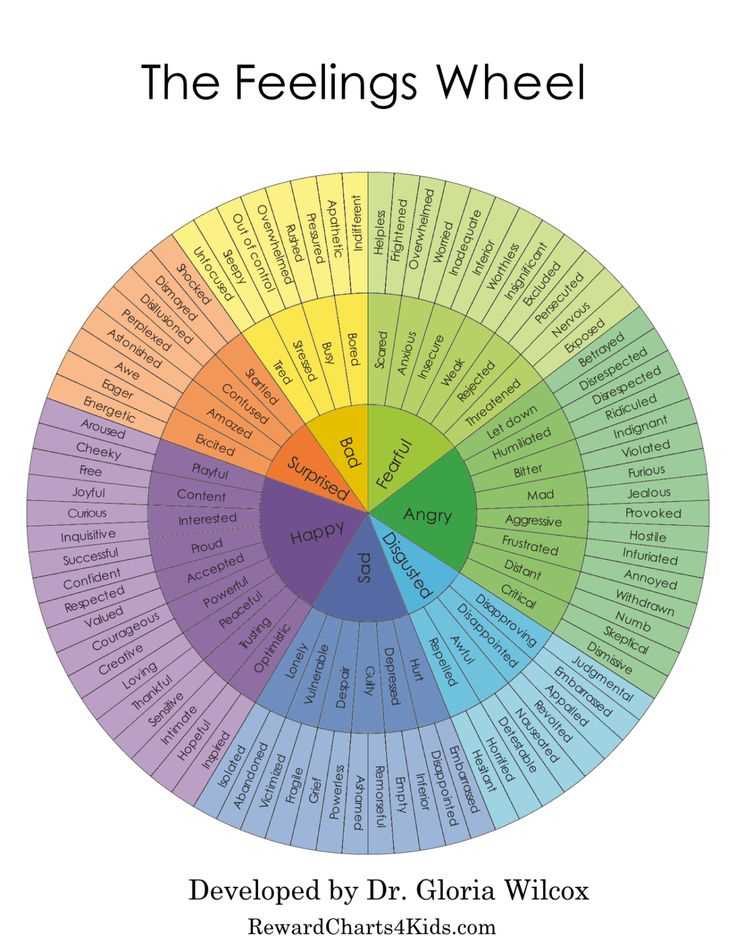
Start by identifying your current emotional state with a structured chart that categorizes various emotional responses. This tool helps you distinguish between nuanced emotions that are hard to express, giving clarity to what you may be feeling. Once you spot these emotions, take a moment to reflect on what triggered them, whether it’s a specific event or interaction.
Each section of the visual tool contains common emotional descriptors, such as “happy,” “anxious,” or “angry,” which can be further broken down into more specific emotions. For example, instead of just feeling “sad,” you can recognize if you’re feeling “disappointed,” “lonely,” or “hopeless.” By pinpointing these subtle feelings, you can better address their causes and work on managing them.
To make the most of this tracker, use it daily. Set aside a few minutes each day to check in with yourself and note your emotions. Over time, this routine will allow you to track your emotional patterns, helping you identify long-term trends and shifts in mood. This insight can be a valuable tool for self-improvement and personal growth.
The tracker is a great tool for communication, especially in relationships or therapy sessions. By using it, you can articulate your emotional state more effectively, providing others with a clearer understanding of how you’re feeling. This will enable deeper connections and better emotional support from those around you.
It’s also an excellent resource for emotional regulation. When you’re aware of what you’re feeling, you can take proactive steps to manage your emotions, whether through self-soothing techniques, meditation, or other coping strategies. Recognizing when you’re overwhelmed can help you avoid reacting impulsively and instead take the time to choose a thoughtful response.
Lastly, the tracker can serve as a reflective tool for growth. Looking back at previous entries can show you how you’ve improved over time and which techniques have worked best for managing specific emotions. This type of reflection helps boost your emotional resilience, making it easier to handle challenges in the future.
How to Use a Tool to Identify Your Emotions
Start by selecting the most relevant emotion category from the chart. This can be done by scanning the central section that includes broad emotional terms like “joy,” “anger,” or “fear.” These are the general feelings that most people experience, but they don’t always capture the full spectrum of human emotions.
Next, expand on the central category by identifying more specific emotions. For example, under “anger,” you might find more detailed options like “frustrated,” “irritated,” or “resentful.” These specific terms help you narrow down exactly how you are feeling, making it easier to understand your emotional state.
Take a moment to reflect on any recent situations that may have triggered these emotions. Was it a particular event at work, a conversation with a friend, or something else entirely? Recognizing the connection between your feelings and specific experiences can help you gain better self-awareness.
Once you’ve pinpointed the emotion, assess its intensity. Are you feeling mildly irritated, or is your anger stronger? The tool often includes different levels of intensity to help you gauge the severity of your emotions. This will give you a better understanding of how much your current mood is affecting you.
After identifying the emotion, think about your reaction to it. Is this emotion influencing your behavior or thoughts? Understanding how your feelings impact your actions is key to managing them effectively. For instance, you might recognize that you’re acting defensively because of frustration.
Using this chart regularly will help you build a habit of checking in with yourself. Over time, this practice will increase your emotional literacy, allowing you to quickly identify and articulate your feelings. As a result, you can respond to situations with greater emotional intelligence.
As you get more comfortable using this tool, try to track your emotional patterns. Are there recurring feelings you notice, such as frequent irritability or sadness? Keeping track of your emotions can help you identify triggers and work on strategies to improve your emotional health.
Finally, this chart can serve as a valuable resource in conversations with others, whether in therapy or with loved ones. By identifying your emotions more clearly, you can communicate them more effectively, improving both your emotional well-being and your relationships.