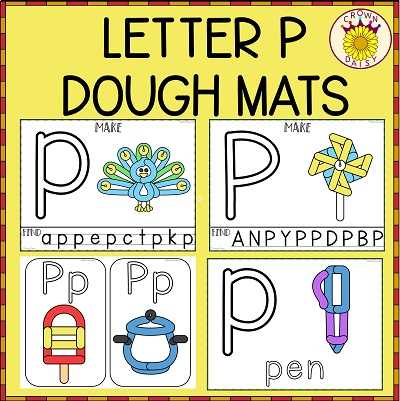
Use tactile activity sheets with raised or outlined characters for shaping dough to reinforce recognition and formation of each symbol. Select sheets with bold, clear outlines and contrasting colors to make tracing easier for young learners.
Provide multiple colors of modeling compound to allow children to fill in different parts of each character. This encourages differentiation between shapes and enhances visual memory while supporting creativity.
Arrange sheets in alphabetical order or group by similar shapes to help learners notice patterns and similarities. Repetition of common strokes improves muscle memory and supports consistent formation of symbols.
For beginners, focus on uppercase characters with wide spacing between strokes. Older children can practice both uppercase and lowercase forms with tighter spacing to challenge fine motor precision and hand control.
Combine shaping exercises with short writing tasks on adjacent sheets. Transitioning from modeling compound to pencil tracing reinforces recognition and strengthens the connection between tactile and visual learning.
Hands-On Character Shaping Sheets
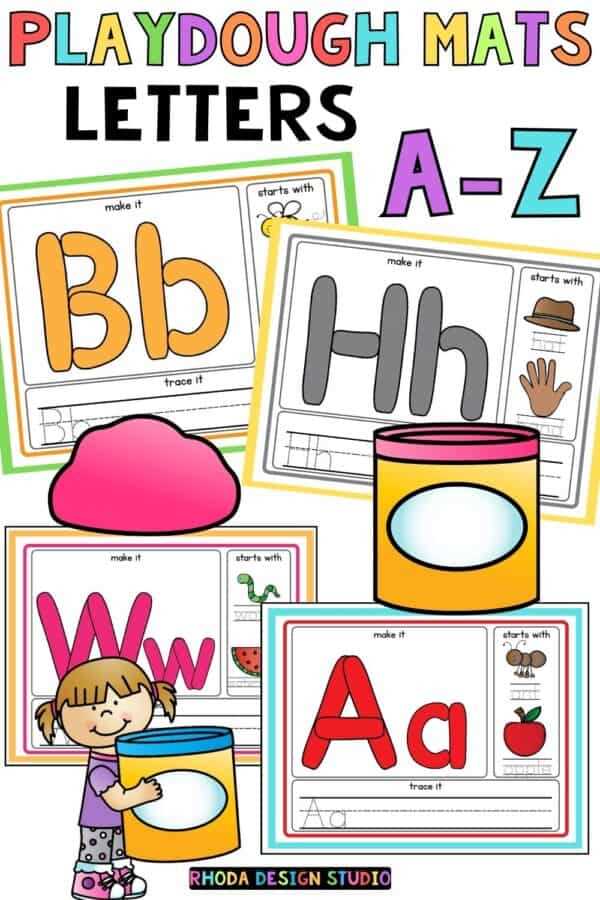
Use activity sheets with outlined symbols for modeling compound to strengthen recognition and formation skills. Choose sheets with bold lines and high-contrast colors so children can easily identify each shape and practice correct finger placement.
Encourage filling each outline with different colors of modeling compound to differentiate strokes and reinforce memory of shapes. For older learners, include both uppercase and lowercase forms with tighter spacing to challenge fine motor control and precision while maintaining engagement through creative play.
Choosing the Right Letter Sheets for Different Age Groups
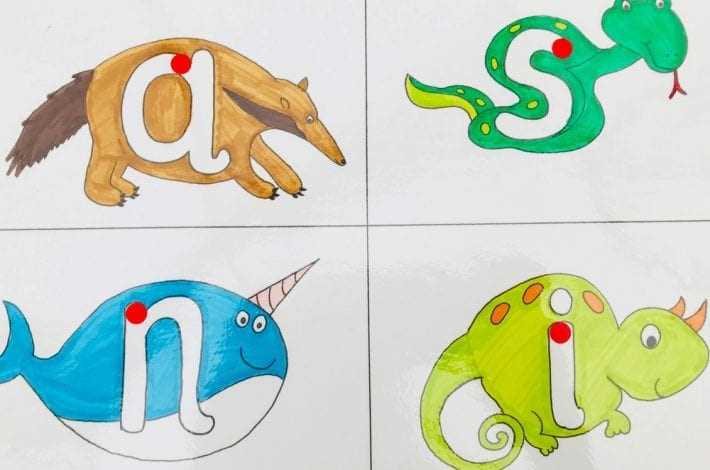
For preschool children, select activity sheets with large, bold characters and wide spacing. Use simple shapes and only uppercase symbols to support early recognition and hand control. Include high-contrast outlines to make each form easily distinguishable for small hands.
- Ages 3–5: Wide spacing, single uppercase symbols, simple objects for reference.
- Ages 6–8: Include both uppercase and lowercase symbols, slightly smaller forms, and familiar themed objects to encourage pattern recognition.
- Ages 9 and up: Tighter spacing, mixed forms, and complex shapes to challenge precision and develop fine motor coordination.
Arrange sheets sequentially or by shape similarity to help learners notice patterns and build muscle memory. Use multiple colors of modeling compound for each symbol to reinforce differentiation and support visual learning while enhancing creative engagement.