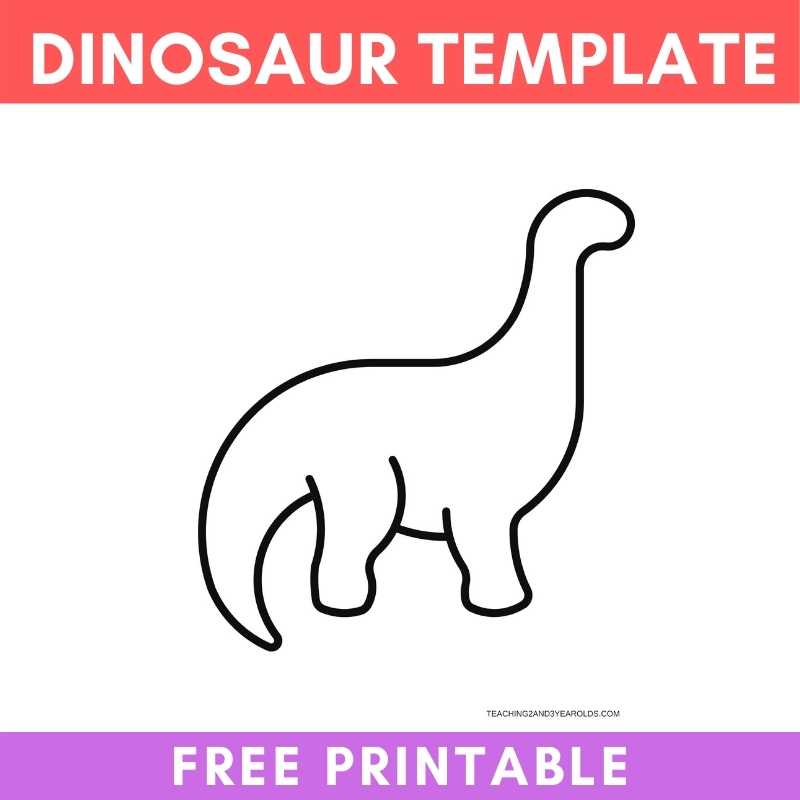
If you want to ignite your child’s imagination and creativity, offer them a selection of printable images featuring prehistoric creatures. These resources are ideal for parents and educators seeking to inspire children through hands-on activities, combining fun with learning. Whether you’re looking for coloring sheets, educational charts, or fun puzzles, these items provide an interactive way to explore the fascinating history of ancient reptiles.
These worksheets offer an excellent opportunity for children to express themselves artistically while also enhancing their knowledge. From drawing tasks to matching games, these materials cater to various learning styles. Use them to spark discussions about the past and introduce young learners to basic concepts in paleontology.
With a wide range of themes to explore, from natural habitats to extinct species, these resources can complement any lesson plan or serve as a creative break during a busy day. Whether in the classroom or at home, these engaging materials are perfect for young minds curious about ancient life.
Dinosaur-Themed Activities for Kids
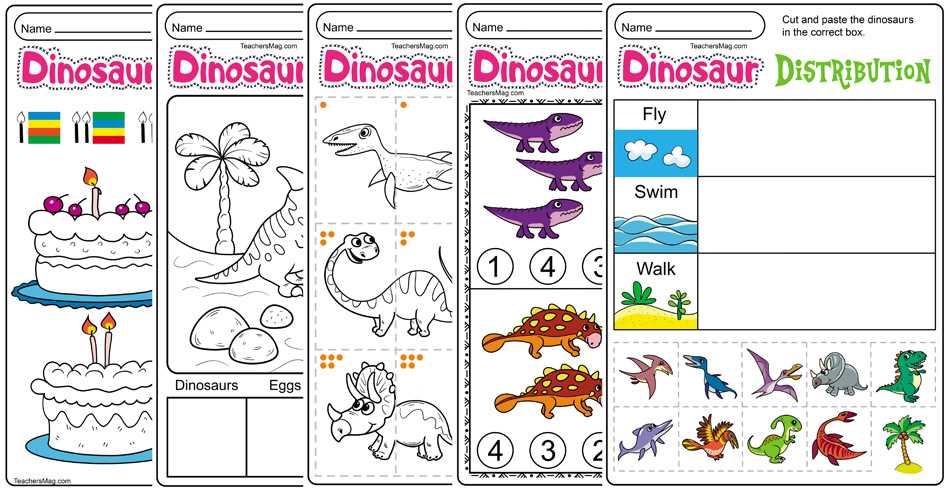
If you’re looking for creative ways to entertain children with a prehistoric theme, try crafting activities that use printable resources designed to engage their imaginations. These resources provide a fun and interactive way to learn about ancient creatures, allowing kids to create their own scenes, complete puzzles, or color detailed pictures. The following ideas will guide you in using these resources effectively in your child’s learning process.
Start by offering coloring sheets featuring a range of prehistoric creatures. These images come in various difficulty levels, so you can cater to both younger children and older ones. Choose templates that allow kids to practice fine motor skills as they color. Opt for bold outlines for younger learners and more intricate details for older kids who can handle complexity.
- Look for activity sheets that allow kids to trace the shapes of large and small creatures to help them develop hand-eye coordination.
- Consider puzzles that teach shapes and matching while providing a fun challenge.
For a more educational approach, printable flashcards featuring facts about different species can help children associate animals with their characteristics. Flashcards are ideal for learning vocabulary such as the names of creatures, their diet, and their natural habitat. These cards can be used in memory games, timed quizzes, or matching exercises that make the learning process dynamic and enjoyable.
- Include details like size comparisons or time periods to enrich the learning experience.
- Use flashcards to create sorting games based on herbivores vs. carnivores.
If you want to extend the activities beyond static sheets, try crafting interactive dioramas or even a scene with paper models. Printable paper figures can be assembled to create miniature worlds, allowing children to develop storytelling skills by arranging creatures in various scenarios. Set up a “prehistoric park” where kids can arrange their creatures in different environments, encouraging imaginative play.
Incorporate educational trivia or quizzes into these activities to reinforce knowledge gained through play. Short, printable quizzes that challenge children on what they’ve learned can test their memory and understanding of key facts in a fun format. Keep the questions clear and simple to maintain engagement.
For those looking for creative writing opportunities, offer printable story starters that prompt children to create their own narratives involving these creatures. Use images as inspiration to craft stories or write about hypothetical adventures. This encourages literacy skills and sparks their imagination.
- Pair with illustrations that depict various creatures interacting with each other for added story depth.
Lastly, consider seasonal or themed decorations that can be printed and used for classroom or home projects. Items such as “prehistoric footprints” or “dinosaur footprints” can help set the tone for a themed event or classroom decor. These simple designs allow children to add their own artistic touches while reinforcing their learning through creativity.
How to Find High-Quality Dinosaur Resources for Kids
Explore trusted educational websites such as Teachers Pay Teachers or Etsy, where many creators offer highly detailed and engaging content for young learners. These platforms allow you to preview items, ensuring that you select well-designed and informative materials for your children.
Another way to find exciting activities is through social media groups dedicated to homeschooling or parenting. Facebook and Pinterest often feature curated boards where parents and educators share their favorite sources for printable worksheets, puzzles, and coloring pages.
Consider exploring dedicated blogs that focus on child education. Many bloggers share printable activities directly through their sites, often with detailed instructions and themed sets. Be sure to check reviews or comments for feedback on quality before downloading.
Subscription-based services like Activity Village and The Crafty Classroom offer premium content with consistently high-quality designs. These websites often provide a range of printable packs focused on themes like wildlife, offering variety and structure for different age groups.
For parents looking for non-digital methods, bookstores and educational supply stores often carry physical versions of activity books, puzzles, and other resources featuring prehistoric creatures. These are great for hands-on learning and can be kept as part of a physical collection.
Do some research into print-on-demand services, where you can customize and order physical activity kits. Websites like Redbubble allow you to find high-quality, custom-designed educational resources that can be shipped directly to your home.
Lastly, always pay attention to the level of detail and accuracy in the resources you choose. Educational materials that feature scientifically accurate illustrations and clear instructions are key to helping children not only enjoy but also learn from the activities they engage in.