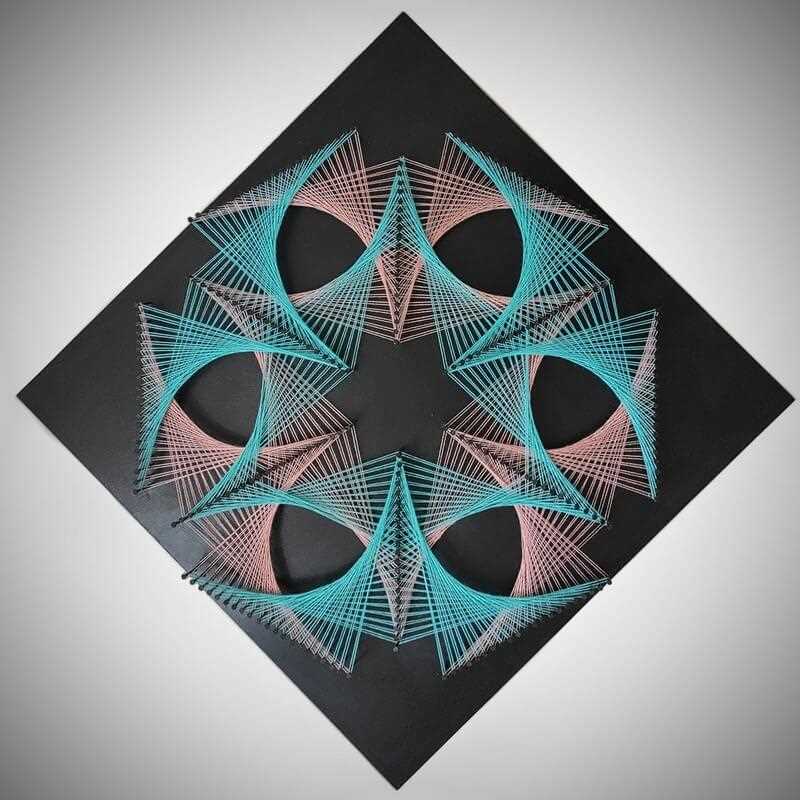
Start by selecting a template that suits your style. Whether you want a geometric figure, a heart, or a simple shape, having a clear outline will guide your creation process. Choose an image or design that offers enough detail, allowing you to highlight key points without overwhelming your project. A design with fewer complex shapes can be more approachable for beginners.
Prepare your workspace by gathering all the necessary materials, including a sturdy board, nails, and thread. Keep your nails spaced evenly and ensure the board is secure. If you’re new to this technique, it’s a good idea to sketch the design lightly onto the board before hammering in the nails. This helps you visualize your pattern and avoid mistakes during the creation process.
Once your nails are in place, select the color of thread that matches the theme you’re aiming for. Bright colors can add vibrancy, while neutral tones provide a more subtle effect. Start from one nail and wind the thread around each nail, making sure to follow the outline closely for a neat finish. Be patient and take your time to ensure the lines are tight and evenly spaced.
If you prefer more intricate designs, consider using multiple colors or creating overlapping shapes. This technique adds depth to your piece and makes it stand out. However, remember that less is often more when it comes to detail, especially if you’re just starting out. Focus on getting the basic shapes right before experimenting with more complex elements.
Simple Designs for Beginners
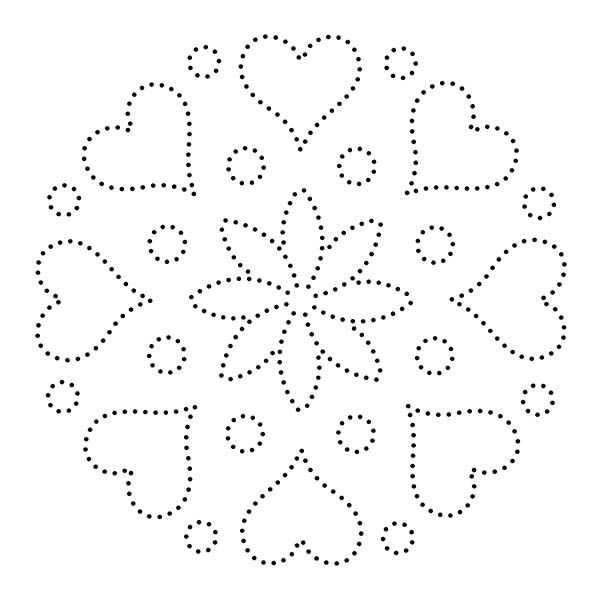
To start, choose a basic shape like a heart or star. These are straightforward to create and require minimal steps. Simply sketch the outline of the design onto your board to help guide the placement of your nails. A heart, for example, is symmetrical, making it easier to ensure that the thread is evenly distributed when winding around the nails.
Next, use a soft, colorful thread to complete the project. This allows for easy manipulation, especially for those new to the craft. Keep the thread taut as you weave it around the nails, creating straight lines that define the shape of your design. Don’t worry about making it perfect–this type of craft encourages creativity, and slight imperfections add character.
Another simple project for beginners is a geometric shape, such as a triangle or square. These are perfect for those looking to add some structure to their first project. They also allow for more experimentation with color combinations, as the straight edges make it easy to follow patterns and add layers of thread to create texture.
If you’re ready to step up the complexity, consider using multiple colors of thread. By switching colors every few nails, you can create beautiful gradients or intricate sections within your design. This technique adds depth without requiring advanced skills, and it makes the finished piece look more professional.
For larger designs, use a thicker board and ensure the nails are spaced far enough apart to accommodate a larger thread area. This can be especially helpful for creating larger geometric shapes or more intricate patterns. Larger projects often allow for greater creative freedom, as the larger space gives you more room to add additional details or layers.
As you grow more comfortable, try incorporating curved designs such as swirls or flowers. These shapes will help improve your control over the thread and teach you how to manipulate it more fluidly. For curved shapes, it’s important to start at one point and work your way out, gradually adding loops that connect with each other, creating a continuous flow.
For those who prefer minimalism, you can opt for a minimalist design with just a few lines crisscrossing to form a simple yet striking shape. The beauty of this type of design lies in its simplicity, which can be especially appealing for modern home décor. It’s a great choice for beginners who want to make something that feels sophisticated without too much effort.
Finally, as a beginner, remember that the key to mastering this craft is practice. Start with simple designs and gradually build up to more complex ones. Over time, your skills will improve, and you’ll be able to experiment with more advanced techniques, such as layering multiple threads or creating detailed, intricate designs.
How to Choose the Right String Art Design for Your Project
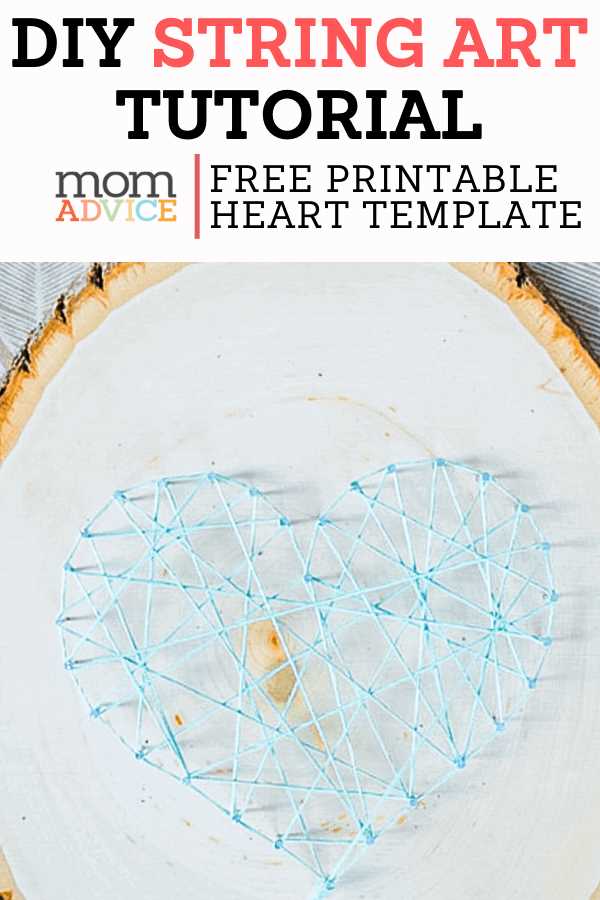
Start by considering the complexity of your project. Simple shapes like hearts, stars, or geometric figures are great for beginners, while more intricate designs like animals or flowers require advanced skills. Choosing a design that aligns with your skill level will ensure a smoother crafting experience.
If you’re creating a decorative piece for your home, think about the overall aesthetic. Minimalistic designs, such as clean lines and geometric shapes, work well in modern spaces. For a more traditional or rustic feel, opt for natural shapes like trees, flowers, or even abstract swirls.
Color selection is another important factor. Bold, contrasting threads can make your design pop, while muted tones or pastels create a softer, more subtle effect. Choose colors that complement your space or project theme to enhance its visual appeal.
Consider the size of the board. If you’re making a large wall decoration, a detailed design will require a larger space. Conversely, for smaller pieces like cards or gift tags, simpler and smaller designs are more suitable. Be sure the size of your design fits well within the dimensions of the board you’re using.
Think about the purpose of your project. If you’re creating a gift or a personalized item, selecting a meaningful design, such as initials, a quote, or a symbol that holds significance to the recipient, can make the piece more thoughtful and unique.
For a truly custom project, explore designs that allow you to adjust and modify patterns. Many templates offer flexibility, so you can add your personal touch by altering details, such as thread colors or the number of nails used, to create a truly one-of-a-kind piece.
Always take into account the tools you’ll be using. Simpler designs typically require fewer nails and less intricate thread work, while more detailed projects might need specialized tools like a needle for threading or a hammer for precise nail placement.
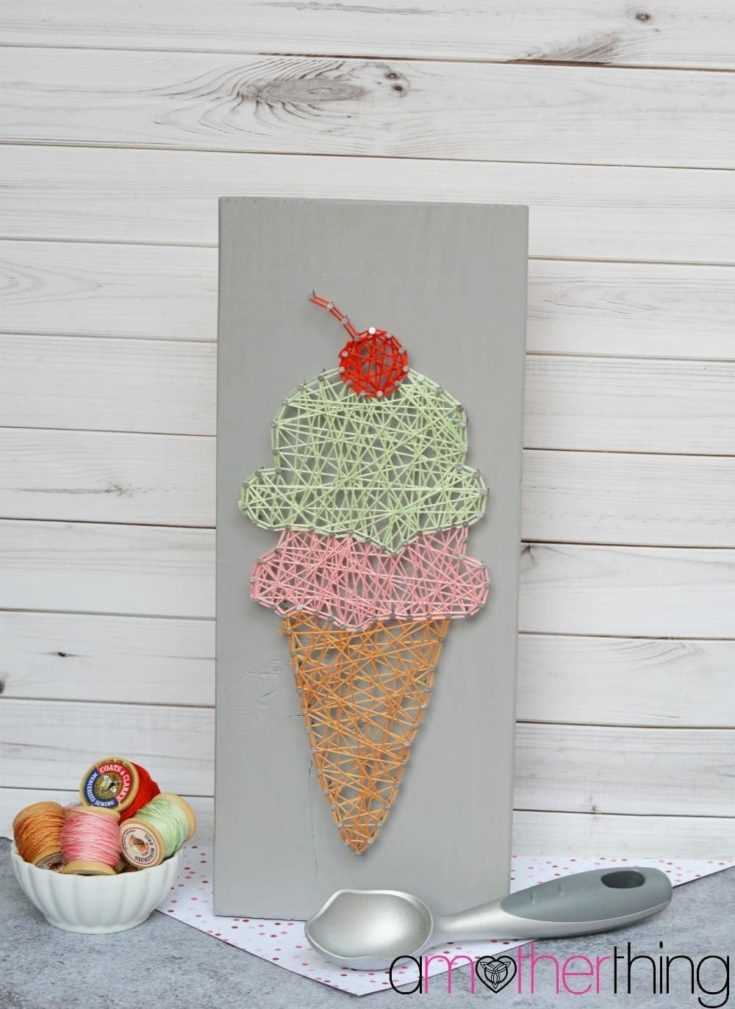
Lastly, ensure that the design you select is one you’ll enjoy working on. String crafting can be time-consuming, so pick a design that excites you and keeps you engaged throughout the process. The more you enjoy your project, the better the outcome will be.