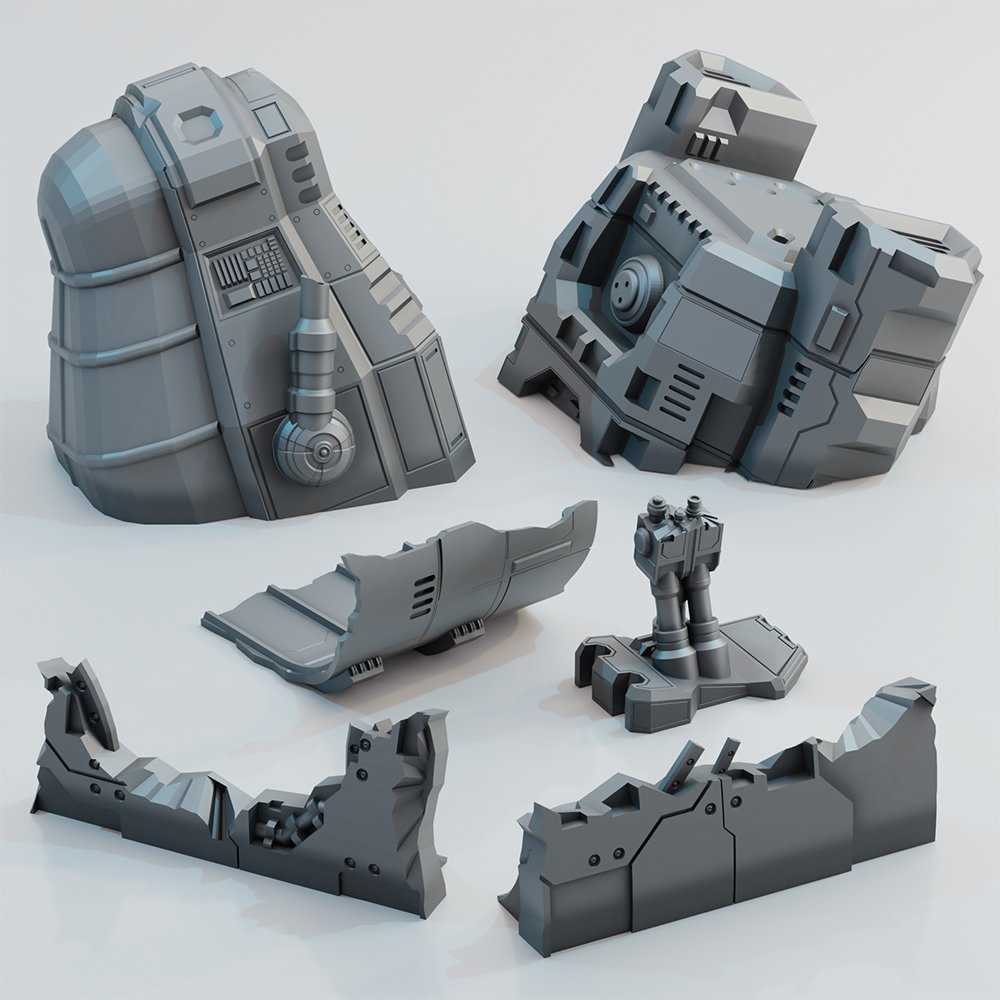
Select a resin printer with a layer height of 0.03–0.05 mm if you plan to produce highly detailed spacecraft miniatures under 200 mm in length. For larger hull sections, an FDM machine with a 0.4 mm nozzle and 0.12–0.2 mm layer height reduces material cost while preserving panel lines and surface geometry. Use PLA+ for rigid display builds or ABS for parts that require post-processing such as sanding and solvent smoothing.
Download STL or 3MF files from reputable model repositories and inspect them in slicing software before fabrication. Check wall thickness (minimum 1.2 mm for FDM, 0.8 mm for resin), verify manifold geometry, and scale components consistently. If the design exceeds your build volume, divide the fuselage into keyed segments with alignment pins of at least 3 mm diameter to prevent misalignment during assembly.
Configure print orientation to preserve fine surface structures such as antenna arrays and thruster nozzles. Angle resin parts at 30–45 degrees to reduce suction forces and add medium supports along protruding edges. For filament-based systems, orient flat hull panels horizontally to minimize support scars. Use 10–15% gyroid infill for display pieces and increase to 25% if internal strength is required for modular assemblies.
After fabrication, rinse resin components in 90%+ isopropyl alcohol for 2–3 minutes and cure under 405 nm UV light according to manufacturer specifications. Sand FDM layer lines with 220–400 grit paper before applying filler primer. Acrylic paints adhere well to primed PLA and ABS; apply thin coats with an airbrush at 15–20 PSI to preserve engraved surface detail. Seal the finished model with a matte or satin clear coat to protect decals and panel shading.
3D Printable Starships for Display, Gaming, and Scale Modeling
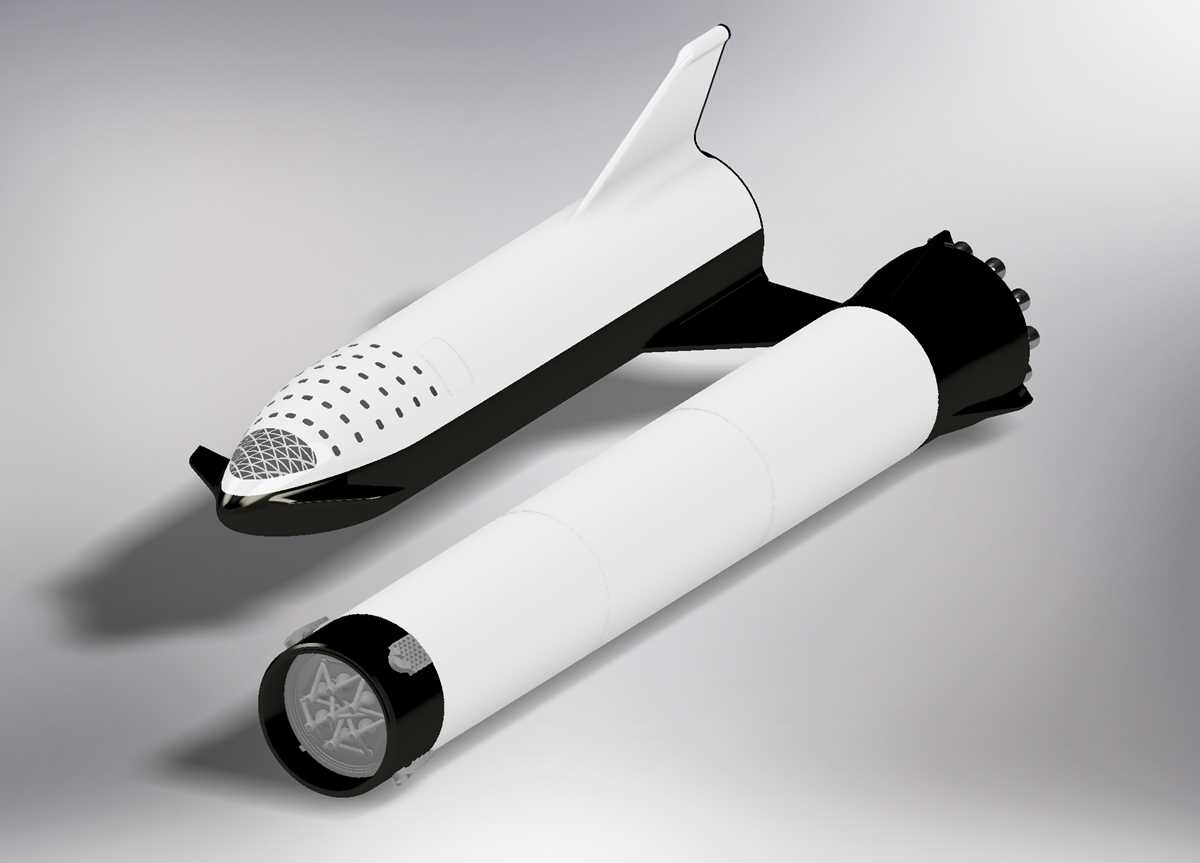
Select resin-based fabrication for display-focused spacecraft replicas with fine hull plating, recessed panel lines under 0.2 mm, and layered engine nozzles; set layer height to 0.03–0.05 mm and orient the fuselage at a 30–45° angle to reduce support marks on visible surfaces. For FDM machines, use a 0.2 mm nozzle and 0.08–0.12 mm layers to preserve sharp wing edges and antenna arrays, and divide large cruisers into keyed sections with 5–8 mm alignment pegs to avoid seam misalignment during assembly.
For tabletop combat, keep miniature vessels within standardized scales such as 1:270 for fleet battles or 1:144 for skirmish scenarios to match common grid systems. Base diameters of 25 mm, 32 mm, and 50 mm accommodate fighters, frigates, and capital craft respectively, while embedding 3×2 mm neodymium magnets in flight stands allows rotation without loosening over repeated sessions. Use PETG or ABS for higher impact resistance, especially for protruding cannons and sensor masts.
Display models benefit from segmented construction that mirrors studio maquettes: separate hull, bridge tower, engine block, and weapon pods to allow independent painting. Apply gray automotive primer with 600–800 grit sanding between coats to remove layer artifacts, then mask panel sections with 1–2 mm hobby tape for multi-tone plating. Weathering powders and oil washes accent recessed greebles and heat vents, producing scale depth that flat acrylic coats cannot achieve alone.
For collectors focused on screen-accurate replicas from franchises such as
Archive files in STL and 3MF formats, keep polygon counts below 2–3 million faces for slicer stability, and hollow large hull sections with 2–3 mm walls plus 4 mm drain holes to reduce resin consumption by up to 60%. Label components clearly, include assembly diagrams, and store unused parts in compartmentalized boxes to prevent loss of micro-scale turrets, fins, and docking clamps.
How to Select Accurate 3D Models of Starships for FDM and Resin Printing
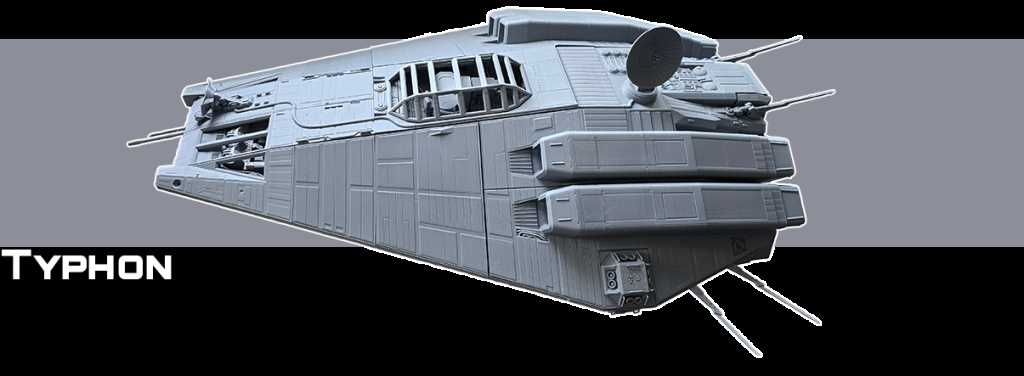
Choose files with documented scale, wall thickness, and mesh integrity before downloading. For FDM machines with 0.4 mm nozzles, verify that panel lines and surface ridges are at least 0.5–0.6 mm wide and 0.3 mm deep; thinner detailing will disappear after slicing. For resin setups with 35–50 µm XY resolution, raised elements of 0.1–0.2 mm are reproducible, so inspect STL previews for micro-greebles that justify the higher resolution.
Inspect polygon density and topology. Clean meshes should be watertight, manifold, and free of non-manifold edges or flipped normals. Use a mesh viewer to confirm:
- No holes in engine nacelles or hull seams
- No intersecting internal geometry
- Consistent face orientation
- Triangle count appropriate for size (small 120 mm craft: 200k–600k faces)
Avoid decimated rips from game assets; they often contain stretched polygons and baked-in lighting artifacts that print as unwanted ridges.
Cross-check proportions against official schematics or filming miniatures for licensed designs such as the X-wing from
Match geometry complexity to the printing process. FDM handles large hull sections with gradual curves better than thin antenna arrays; resin excels at sensor clusters and layered armor plates. If the model includes fragile cannons under 0.8 mm in diameter, plan to thicken them for filament extrusion or print them separately in photopolymer. Break complex cruisers into keyed modules with alignment pins at least 2 mm thick for FDM and 1 mm for resin assemblies.
Check orientation and support strategy before committing to a file. Overhangs exceeding 55° from vertical will require heavy supports on filament systems, leaving scars on smooth fuselages. Resin printers tolerate steeper angles but need drainage holes (2–3 mm) for hollow hulls larger than 80 mm to prevent suction failures. Confirm that the designer provides pre-split parts or hollowed variants rather than a single solid mesh that would trap uncured resin or waste material.
Review creator documentation and community test prints. Look for slicer screenshots, layer height settings (0.12–0.2 mm for FDM display builds; 0.03–0.05 mm for resin detail pieces), and post-processing photos. Consistent feedback about fit tolerance, peg alignment, and minimal warping indicates a reliable source file. Avoid uploads lacking build logs or dimensional data, especially for large-scale capital vessels exceeding 250 mm in length.