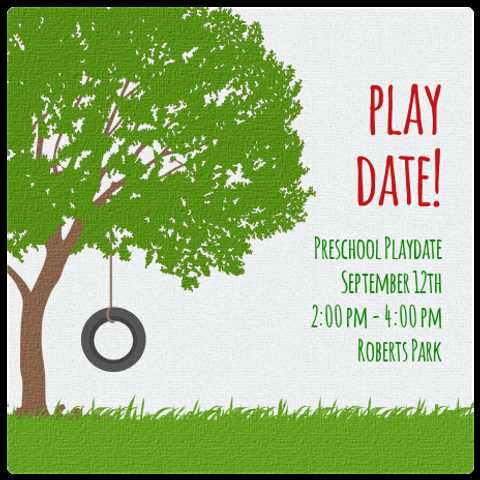
One of the easiest ways to keep kids entertained during group gatherings is by offering structured yet fun activities. A great tool for this is by using cards that outline simple instructions for engaging tasks. These cards can be tailored to any event or gathering, allowing kids to explore new ideas and experiences in a fun, interactive way.
Instead of relying on pre-made options, you can create your own set of instructions. Think about incorporating a variety of tasks, such as quick challenges, art projects, or problem-solving games. Offering a mix of physical and quiet activities ensures that children remain engaged without getting bored. For example, a card might suggest building something with blocks or acting out a fun scenario, while another could prompt a drawing exercise or a story-building challenge.
Once you have decided on your activities, consider organizing them by difficulty level, so older kids can take on more complex challenges, while younger children can enjoy simpler tasks. Keeping the instructions clear and concise ensures that even the youngest participants can follow along without needing constant supervision.
Creative Ideas for Custom Activity Cards
To keep children entertained and engaged during group gatherings, it’s important to provide structured activities that stimulate their creativity and imagination. You can easily craft personalized activity prompts using simple templates. These prompts could include drawing challenges, memory games, or building tasks that encourage interaction among kids. The key is variety–make sure each instruction card suggests a different type of activity to avoid repetition.
When designing the instructions, consider making them adaptable. For example, include actions that require both physical movement and quiet time, such as a scavenger hunt or a storytelling session. This variety helps cater to different energy levels, making sure that kids stay engaged throughout the activity. Here are a few examples of what you could include in your set:
- Complete a puzzle in under five minutes.
- Draw a picture of your favorite animal using only three colors.
- Tell a short story with a surprise twist at the end.
- Build a structure with blocks or Legos as tall as possible.
Another helpful tip is to adjust the difficulty level based on the age of the children involved. For younger kids, use simpler tasks that require fewer instructions, like a matching game or a color-based challenge. Older kids can enjoy more complex prompts, such as creating a short play or assembling a large puzzle as a team. By designing different levels, you ensure that all participants remain engaged, regardless of age or skill level.
How to Create Custom Play Date Cards for Kids
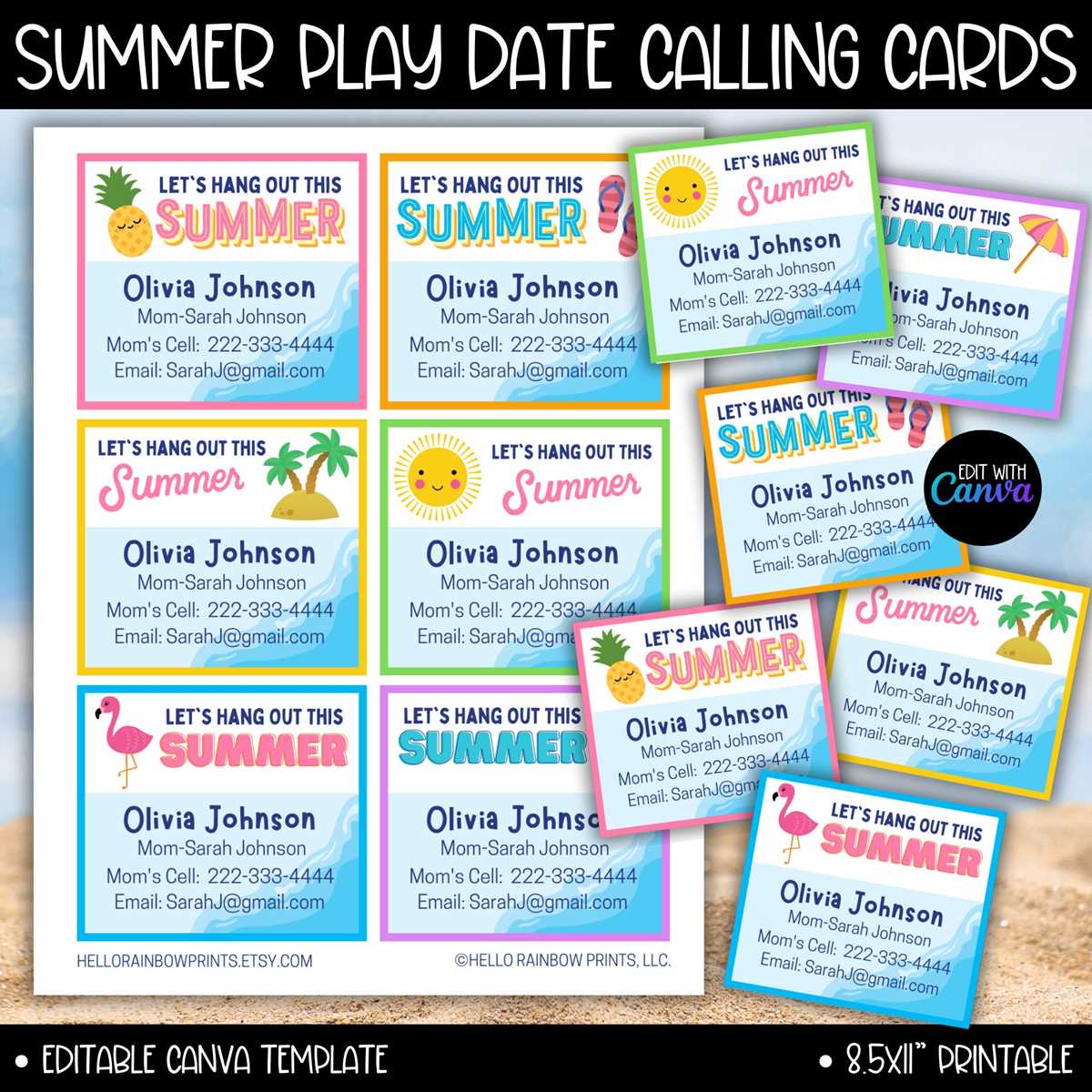
Start by selecting a theme or focus for your activity prompts. Whether it’s building challenges, art projects, or problem-solving tasks, having a clear direction will help you craft relevant instructions. For instance, you can choose themes like “outdoor fun,” “crafting time,” or “teamwork games.” This makes the experience more exciting and keeps children engaged in the activity. Choose topics that are broad enough to allow flexibility, but specific enough to be meaningful.
Once the theme is set, list out the types of tasks you want to include. Mix physical and creative challenges to appeal to various interests. For example, one prompt could encourage children to jump like frogs across the yard, while another could ask them to create a funny face with playdough. A well-balanced set keeps the group energized and entertained throughout the activity session.
Design the layout of each instruction. Keep the language simple and easy to follow. Use a large font and include pictures or illustrations for younger kids who may not be able to read yet. You can design your tasks on a computer or handwrite them if you prefer a personal touch. Make sure each prompt is clear and precise, explaining exactly what the children need to do without additional instructions or confusion.
Once your instructions are ready, print them out on sturdy paper or cardstock. If possible, laminate each sheet to make them more durable and resistant to wear and tear during play. Consider color-coding or adding symbols for different categories of activities, like physical tasks, art projects, or educational games. This way, children can easily pick what kind of activity they want to do next.
Finally, store your activity prompts in a small box or pouch that children can easily access. Organizing them by category or difficulty will allow them to select the activity that best suits their mood. Having a range of fun, themed activities ensures that each session remains exciting, and the kids will always look forward to the next challenge you’ve prepared.