Choose high-resolution botanical line drawings in PDF format (300 DPI or higher) to ensure crisp outlines and clean fills with pencils or markers. For children aged 4–6, select simple petal shapes with thick contours (at least 2 pt stroke width) to support fine motor control. For older kids and adults, opt for detailed illustrations featuring layered petals, stems, and leaves to practice shading and blending techniques.
Print on 120–160 gsm paper to prevent bleed-through from felt-tip pens. If using watercolor pencils, switch to 180–200 gsm stock to reduce warping. Set your printer to “actual size” rather than “fit to page” so proportions remain accurate, especially for symmetrical botanical designs such as roses, tulips, or sunflowers. Keep a small test copy to check ink density before producing multiple sheets.
Organize themed sets by species and difficulty level. For early learners, group daisies, tulips, and simple sun shapes on A4 sheets with wide spacing between elements to allow free hand movement. Intermediate sets may include lilies or orchids with labeled parts to combine art with basic plant anatomy. Advanced collections can feature intricate mandalas built from petals and foliage, encouraging gradient shading and layered blending with colored pencils.
Store printed illustrations in clear folders sorted by season–spring blossoms, summer blooms, autumn arrangements–to rotate activities throughout the year. Pair each drawing with a short reference card showing the natural hues of the plant to guide realistic shading or encourage imaginative palettes for creative exploration.
Printable Flower Color Pages for Home, Classroom, and Therapy Use
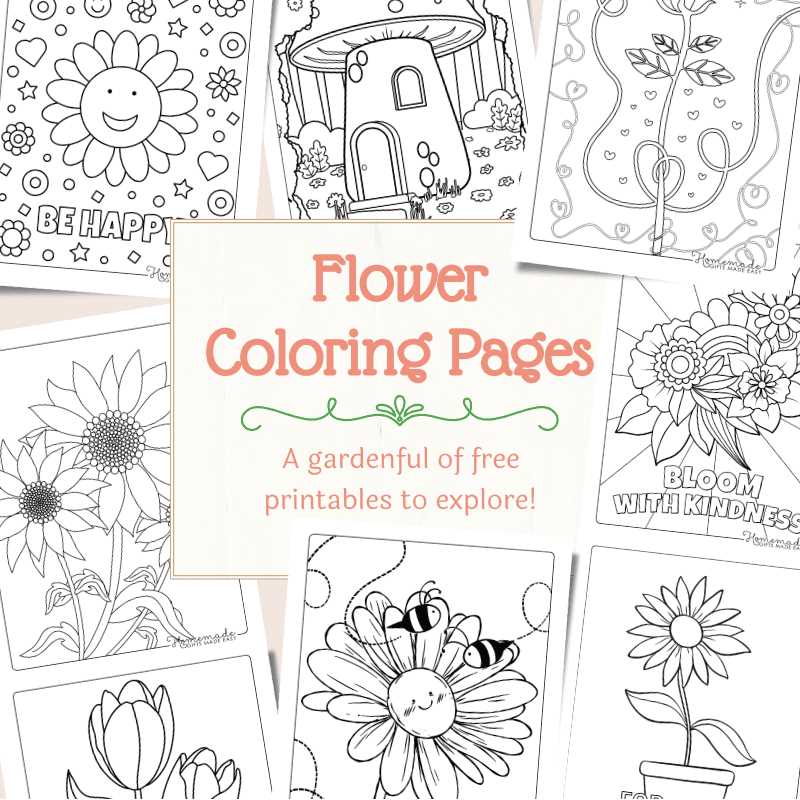
Select black-and-white botanical outlines with clear contours and medium line weight (1.5–2 pt) for home use; they print cleanly on standard A4 or US Letter paper and work well with wax crayons, felt-tip markers, or watercolor pencils. Choose single-stem illustrations for younger children to practice staying within borders, and multi-petal compositions with overlapping shapes for older kids who can manage shading and gradient blending.
For classroom settings, use plant-themed drawing sheets to reinforce science vocabulary and fine motor control at the same time. Pair a labeled diagram of a tulip, daisy, or sunflower with a blank version so students first identify parts–petal, stem, leaf, pistil–and then shade each area using a defined palette. Limit the palette to 4–6 hues to reduce distraction and support task completion within a 15-minute block.
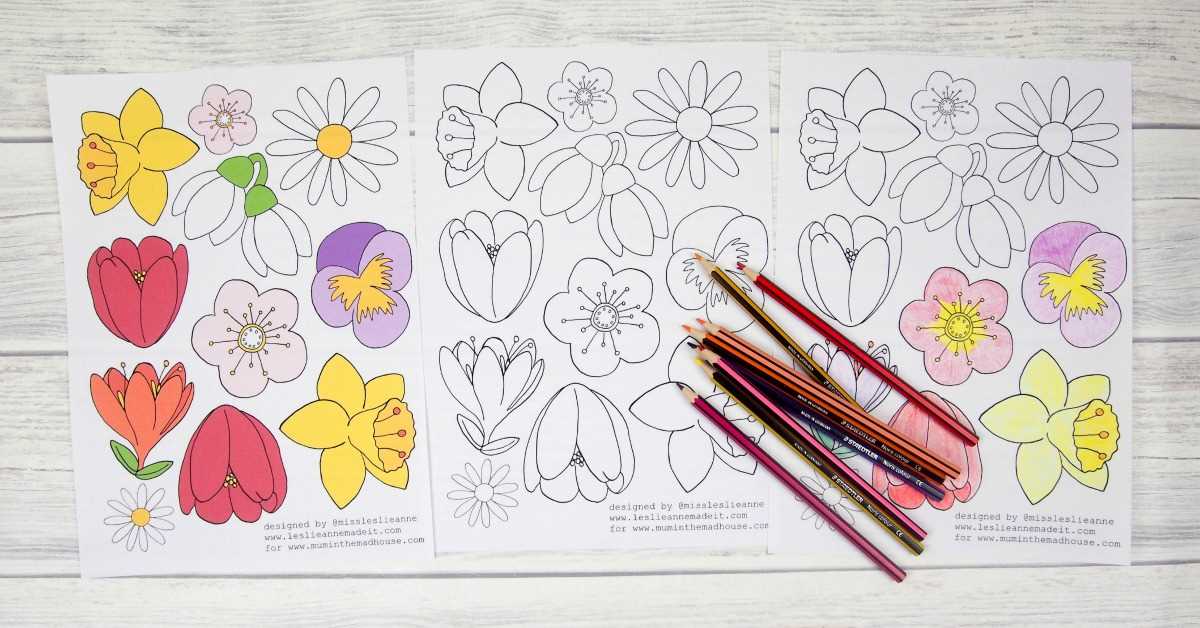
In therapy sessions, choose large-scale botanical illustrations with wide spacing between elements to reduce visual overload. Occupational therapists often prefer bold outlines and symmetrical designs to encourage bilateral coordination and controlled wrist movement. Provide triangular pencils or short crayons to promote proper grip, and schedule 8–12 minute intervals with short breaks to maintain focus.
For mixed-age groups at home or in after-school programs, prepare three difficulty tiers: simple single-bloom sheets with thick borders; medium complexity bouquets with moderate detail; and intricate mandala-style botanical patterns for advanced users. Print on 120–160 gsm paper if markers are used to prevent bleed-through. Keep extra copies ready so children can repeat the same illustration and compare technique improvements over time.
Use themed sets aligned with seasons–spring blossoms, summer garden varieties, autumn wild plants–to connect art time with calendar topics. Attach a short fact card (2–3 sentences) about each plant species to integrate reading practice. Allocate storage folders labeled by theme so completed artworks can be reviewed during parent meetings or progress evaluations.
For group therapy or social skills training, distribute identical botanical sheets and assign structured prompts such as “shade the petals using two contrasting tones” or “outline leaves with a darker shade before filling.” This creates a shared task while allowing personal choice. Conclude with a brief reflection round where participants describe their technique, helping build verbal expression alongside fine motor development.
How to Choose Botanical Coloring Sheets by Age Group, Detail Level, and Paper Format
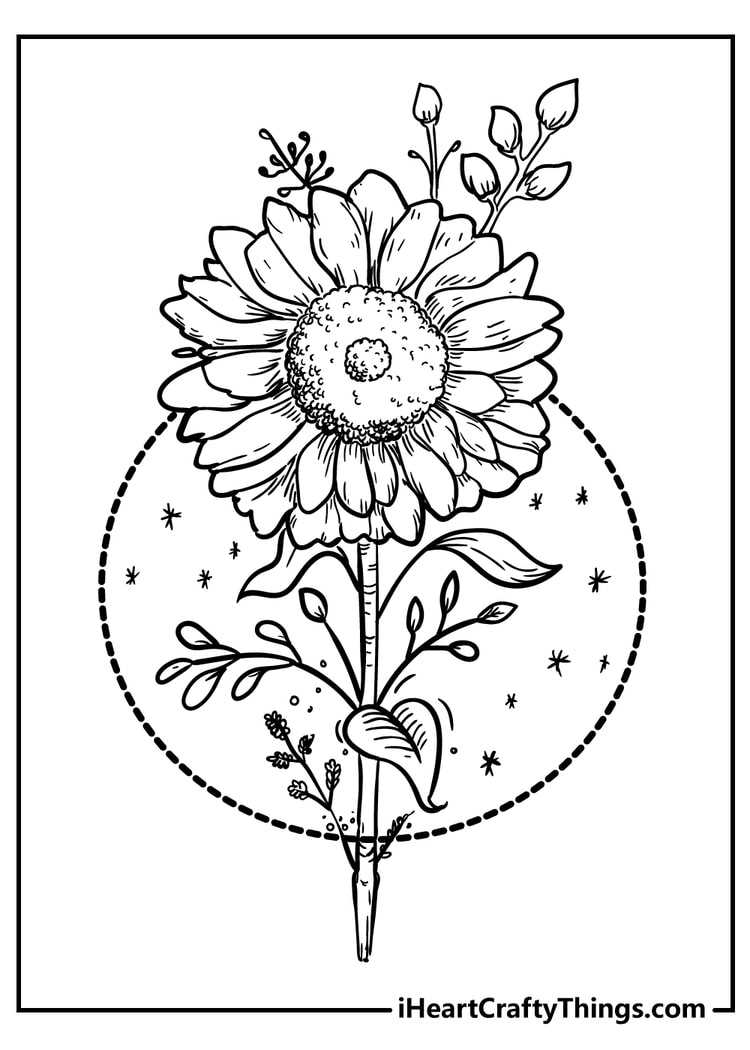
Select illustrations with bold outlines and large petal shapes for children aged 3–5. Lines should be at least 2–3 mm thick to prevent frustration and help with motor control. Avoid dense backgrounds; a single bloom centered on the sheet supports focus. For ages 6–8, introduce moderate detail such as layered petals, simple leaves, and light texture patterns. Preteens benefit from intricate compositions with overlapping stems, fine veins, and small repeating elements that require precision tools.
Match complexity to attention span and tool control rather than grade level alone. Use this breakdown:
- Preschool: 1 main plant, no background, 5–8 large segments.
- Early elementary: 2–3 elements, mild symmetry, 10–20 segments.
- Upper elementary: bouquets, patterned pots, 20–40 segments.
- Teens: detailed mandala-style botanicals, 40+ micro-sections.
Paper size affects usability. A4 suits most home printers in Europe; Letter (8.5×11 in) fits North American settings. For small hands, reduce scale to 90% so margins are wider and easier to hold. For fine-tip markers, keep designs at 100% to preserve thin lines. Posters (A3 or 11×17 in) work for group activities and wall display but require thicker stock.
Choose paper weight based on medium. Standard 80 gsm copy stock handles crayons and pencils without bleed. Use 100–120 gsm for felt-tip pens to reduce ghosting. For watercolor pencils with light blending, select 160–200 gsm matte sheets and print with high-contrast black ink. If duplex printing is planned, increase weight to prevent show-through.
Test one sample before batch printing. Check that outlines remain crisp at 600 dpi, margins are at least 10 mm to avoid clipping, and scaling does not distort proportions. Store files labeled by age bracket and detail count to simplify future selection.