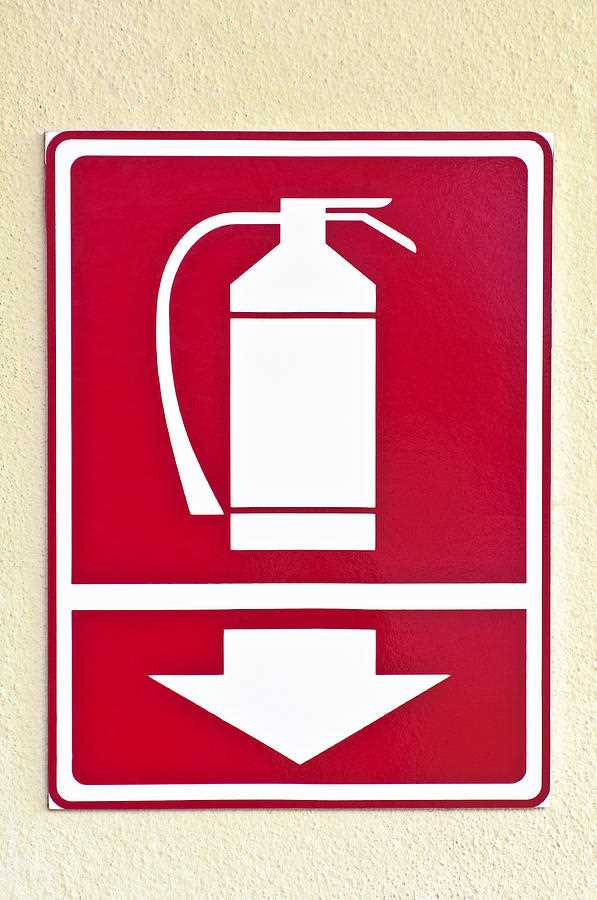
Begin by ensuring that all safety markers for emergency equipment are clear and visible. These labels should immediately inform individuals where critical tools are located in case of an emergency. A good approach is to use bold colors and clear, legible fonts that stand out in high-traffic or low-light areas.
Design the markers with simplicity in mind. Keep the text concise, focusing only on the most important information–such as “Emergency Equipment” or “Fire Safety Tools.” Include universally recognized symbols, like a simple image of a safety tool, to further clarify the purpose of the item. This will help anyone, regardless of their language skills, quickly understand the label’s meaning.
Next, use materials that are durable and can withstand environmental conditions. Laminate the markers or use waterproof paper to prevent them from fading or getting damaged. Once printed, make sure they are placed at eye level and in areas where they will be noticed immediately, such as near exits or in hallways. Regular checks for visibility and condition will ensure continued compliance with safety standards.
Printable Fire Safety Labels for Easy Identification
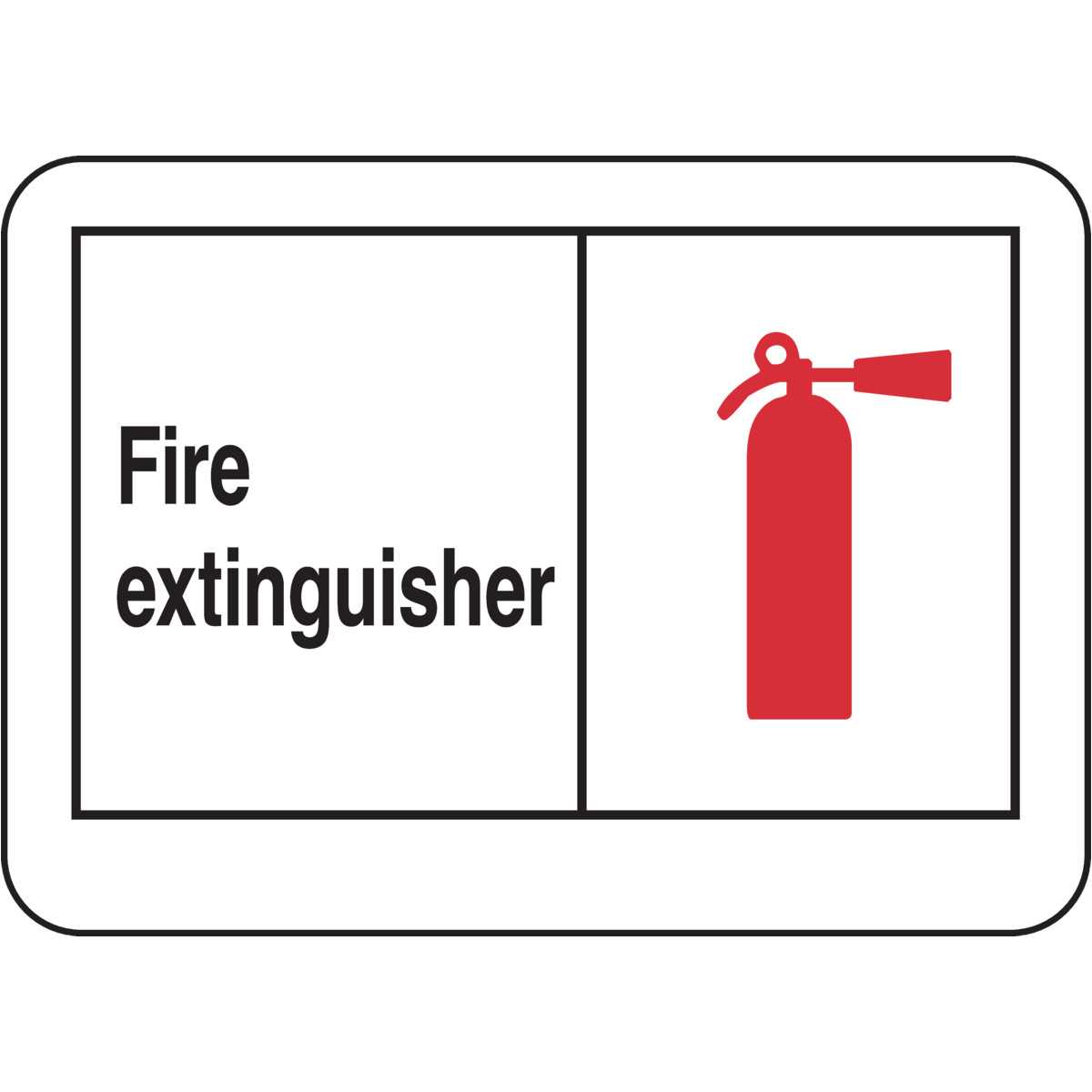
For quick identification, choose labels that clearly indicate the location of emergency safety tools. Use simple, large text such as “Emergency Tool” and combine it with easily recognizable icons. These labels should be designed in bold colors like red or white to contrast with their surroundings, ensuring they are easily visible in any situation.
Ensure that the symbols used are universally understood. A simple graphic of a safety tool, for example, can immediately communicate the purpose of the label without the need for written instructions. This is especially useful in areas where people might not speak the same language, as images transcend language barriers.
Lastly, place these labels in high-traffic areas where they are likely to be noticed immediately in case of an emergency. Mount them at eye level near exits or in hallways so that anyone can quickly locate emergency equipment. Regular checks and replacements are important to maintain their visibility and effectiveness, especially in environments prone to wear and tear.
Steps to Create Custom Fire Safety Labels for Your Space
Start by selecting a clear, legible font for the label text. Ensure that the font size is large enough to be easily seen from a distance. Commonly used fonts for safety labels include Arial, Helvetica, or any sans-serif font that is straightforward and easy to read. This helps individuals quickly identify the tool in case of an emergency.
Next, choose the color scheme that best contrasts with the surroundings. Red and white are standard colors for safety-related visuals, as they are universally associated with alertness and urgency. A red background with white text is often ideal, but if your space has specific color coding, adapt the design to align with those standards without sacrificing visibility.
For added clarity, incorporate clear symbols or icons that represent the emergency equipment. Visual representations, such as a simple image of a safety device, can assist in making the label immediately recognizable. Use high-contrast images, ensuring that they stand out against the background. This ensures that individuals of all backgrounds and literacy levels can identify the equipment quickly.
Now, determine the size of the label. It should be large enough to be noticed without overwhelming the space. Standard sizes like 8.5 x 11 inches work well for most areas, but adjust based on the space available. Labels should be easy to spot but not dominate the overall design of the room.
Design your label using a tool like Microsoft Word, Canva, or Adobe Illustrator. These platforms allow you to easily adjust the size, font, color, and images. Ensure that the design is simple, with no unnecessary details that could distract from the main message of the label. Test your design by viewing it on different screens or printing a sample to see how it appears in physical form.
Once the design is finalized, print the label on durable, high-quality material. Use thick paper or cardstock for printing to ensure longevity. If you need extra durability, consider laminating the label or printing on vinyl, which can withstand wear and environmental factors such as humidity or heat.
Finally, place the label in a location where it is most likely to be seen, such as near exits, hallways, or in any areas with safety equipment. Mount it at eye level for maximum visibility and in areas where people are most likely to need quick access. Ensure that the label is firmly affixed to prevent it from falling off or becoming damaged over time.