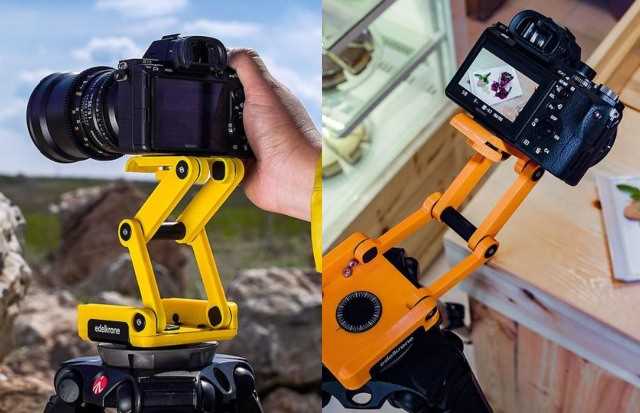
If you need a custom camera or equipment holder, designing your own support structure can be the best solution. Using 3D technology, you can create a tailored stand that perfectly fits your needs, whether it’s for photography, filming, or simply keeping your gear steady.
Start by choosing materials that offer both strength and lightness. ABS and PLA are popular options for their durability and ease of printing. For more weight-bearing applications, consider nylon or carbon fiber-infused filament, which provide greater strength without sacrificing the ease of printing.
The next step is designing your structure. Focus on optimizing the balance and stability of the legs and joints. Use CAD software to adjust the angles and support points, ensuring the stand can hold the required weight without wobbling. If you’re unfamiliar with CAD, there are plenty of free templates available online that can be customized to your specifications.
Once printed, don’t forget to test your creation for sturdiness. Even small adjustments in leg length or material choice can make a significant difference in performance. With some fine-tuning, your 3D printed support can serve as a versatile, custom-built alternative to expensive commercial stands.
Designing a Custom Camera Support
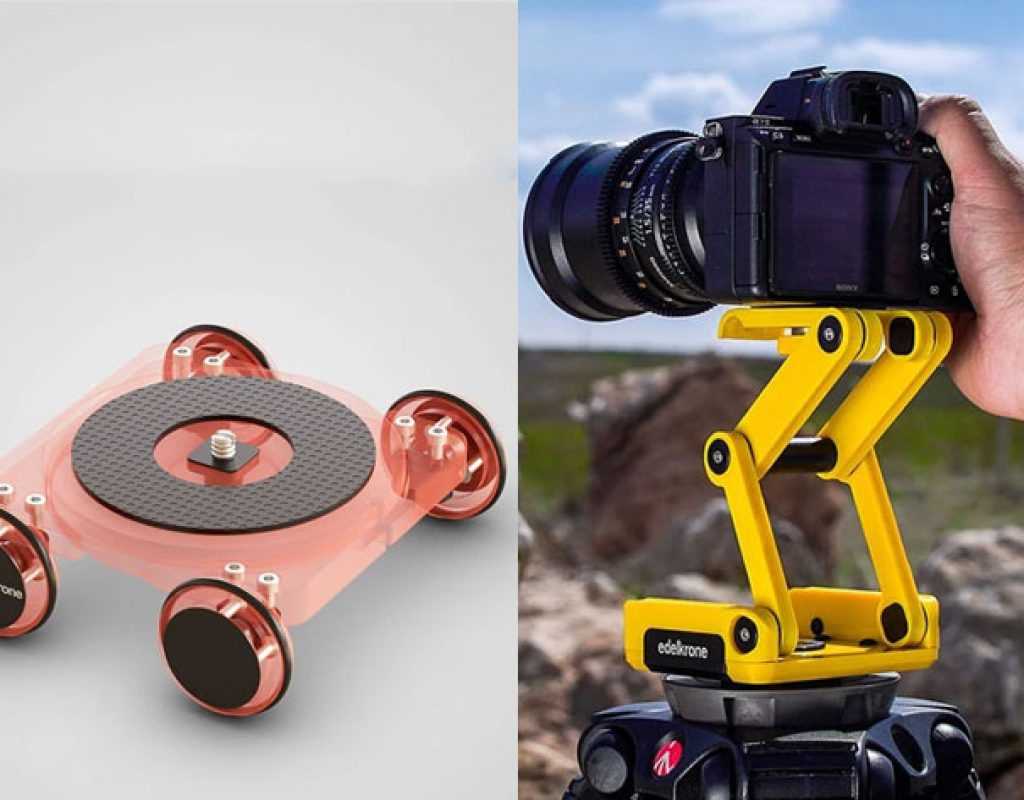
When creating your own camera holder, start by considering the load it will need to support. Use materials like PLA for lightweight designs, but switch to ABS or nylon if your equipment is heavier. Pay attention to the structure’s weight distribution to avoid instability. A wide base will help distribute weight evenly and prevent tipping.
To ensure a smooth design process, use CAD software that allows precise measurements and adjustments. Software like TinkerCAD or Fusion 360 can help you design the base, legs, and mount in great detail. A key feature of such software is the ability to visualize the final product before printing, which helps in making quick adjustments.
For greater stability, add features like adjustable legs or locking mechanisms for height control. Using a threaded screw system can allow you to adjust the stand to different heights. This flexibility is often seen in professional models but can easily be replicated with a few simple modifications in your design.
Testing is an important phase in the creation of your custom support. Before using the holder in real-world conditions, print a test version and check the joints for flexibility and strength. If the stand is too wobbly, consider reinforcing the leg connections or adjusting the angles between them to create more stability.
Once your design is solid, print the final version. When printing, ensure the orientation of the parts is optimized for strength. Vertical supports are better for strength, while horizontal ones may need additional infill. Always print a few test pieces to refine the design if necessary.
After assembling the components, conduct practical tests by placing your camera or other equipment on the holder. Adjust the legs and balance to see how it holds up under different conditions. If you notice any flaws, make adjustments to the joints or add extra weight to the base for further stability.
Choosing the Right Materials for 3D Printed Supports
Start with PLA if you are building a lightweight and easy-to-print stand. PLA is affordable, easy to work with, and ideal for smaller, less weighty devices. It also has a relatively low melting point, which reduces printing time and complexity.
For more demanding applications, such as heavy cameras or larger equipment, use ABS. ABS provides superior strength and durability compared to PLA. It is more heat-resistant, which is important for stands that may be exposed to sunlight or high temperatures during use.
If you need added strength without a significant weight increase, consider carbon fiber-infused filament. This material is a composite that combines carbon fibers with PLA or nylon, creating a more robust and rigid structure. It’s especially useful for long-lasting builds that require extra toughness.
For outdoor or rough environments, nylon is a good option. It has a high resistance to wear and tear and can handle moisture better than many other filaments. Nylon also has some flexibility, which makes it resistant to breaking under stress, a key consideration for outdoor shoots.
If flexibility is required, use TPU (thermoplastic polyurethane). This material allows you to create parts that bend and flex under pressure, making it useful for creating shock-absorbing features or sections that need to bend without cracking.
Finally, consider your printer’s capability. Some materials, like polycarbonate, require higher extrusion temperatures and specialized equipment. Ensure your printer supports these materials to avoid poor print quality or equipment damage. Test your material choice before committing to a full design print to assess compatibility with your setup.