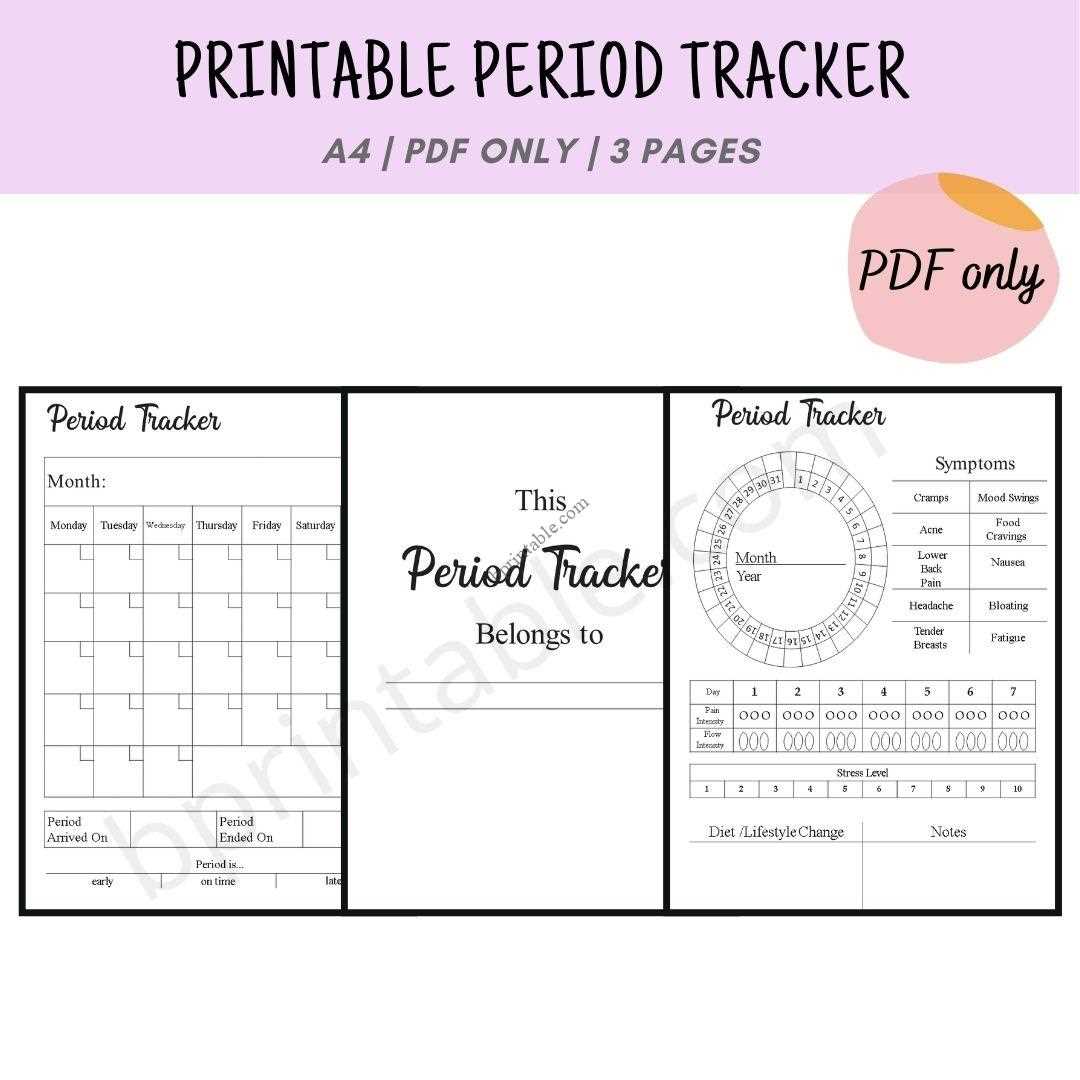
To maintain a better understanding of your menstrual cycle, start by recording important dates. This allows you to identify patterns, predict upcoming events, and make more informed decisions about your health. Begin by marking the first day of your cycle, then track the number of days it lasts. With time, you’ll see regularity or potential irregularities, which is useful information for any health professional.
When looking for a useful tool, choose one that fits your specific needs. There are many resources available that allow you to track important aspects of your cycle such as mood, symptoms, and fertility window. Some tools are basic, while others offer advanced features such as graphing or automatic reminders. Pick the one that offers the functionality you need while remaining simple enough to maintain over time.
Recording this data consistently can help highlight patterns, which may be useful for medical advice, fertility planning, or simply understanding your body’s rhythms better. It also provides valuable insights into any irregularities in your cycle, making it easier to seek medical advice when necessary. Tracking your cycle isn’t just about counting days; it’s about empowering yourself with knowledge for improved health and wellness.
How to Use a Cycle Monitoring Tool
Begin by noting the first day of your menstrual cycle. This is the start of your tracking. Each month, mark this day in your monitoring system, whether digital or paper. Make it a habit to record the number of days your cycle lasts, which helps track consistency over time.
Track key symptoms such as cramps, mood swings, or fatigue. By marking these occurrences daily, you can identify patterns. Understanding the timing and intensity of symptoms can help you predict and manage discomfort during each cycle. Many apps or templates allow you to record these easily.
Monitor any irregularities, such as missed days, longer or shorter cycles, or sudden changes in symptoms. This data provides valuable insights for healthcare providers if needed. The sooner you notice something unusual, the easier it will be to address any underlying issues.
If you’re trying to track fertility or ovulation, pay attention to the days when your body feels different. Signs of ovulation like increased cervical mucus or mild cramping can be recorded as additional markers in your system. Over time, you may become more attuned to these signs, helping you make informed decisions.
Consistency is key. Make sure to update your records daily and review them regularly. This will help you stay in tune with your body’s natural rhythm and provide better insights for managing your health. The more you track, the easier it will become to understand your personal cycle better.
How to Choose the Right Template for Your Needs
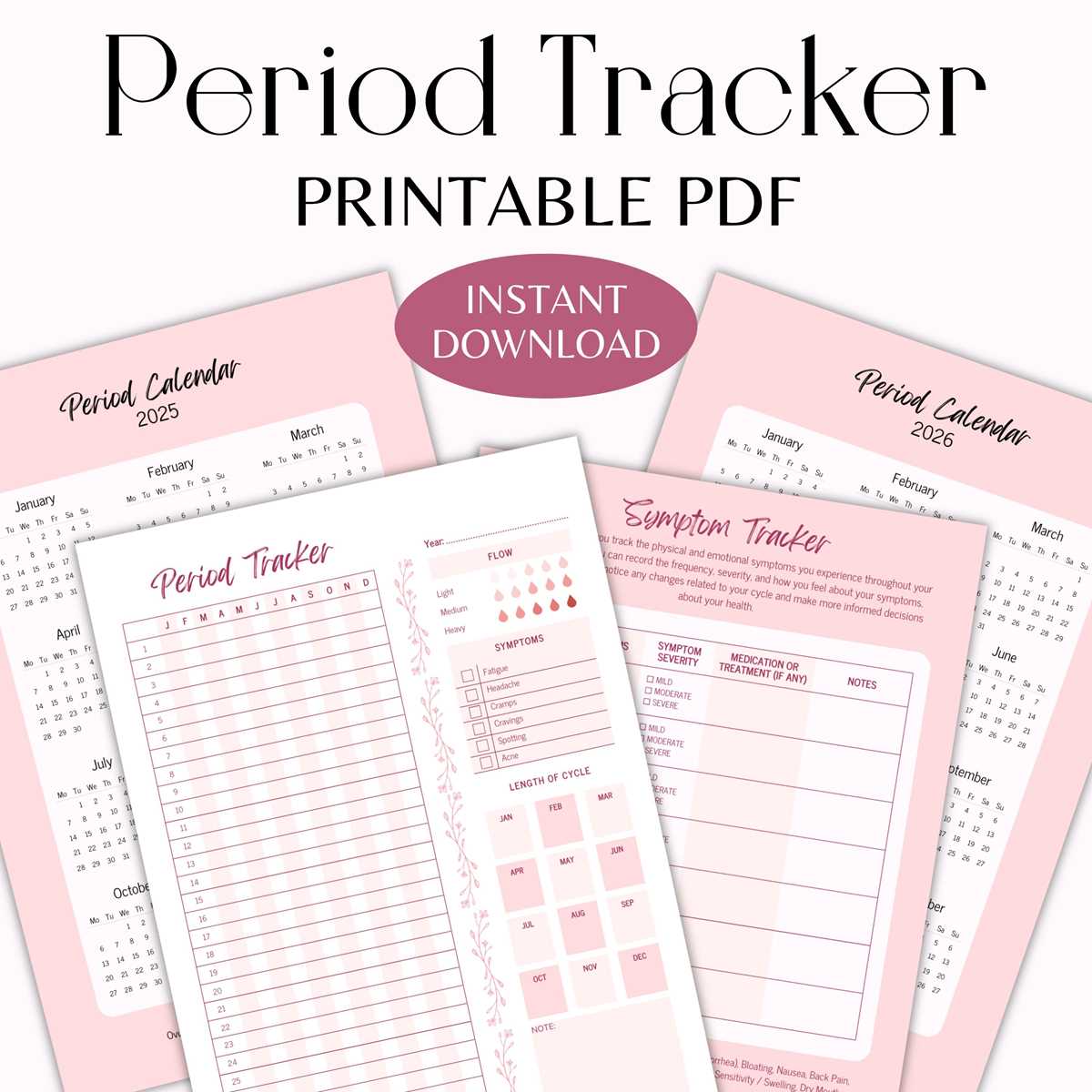
To select the right planning layout, begin by considering your tracking goals. If you’re focusing on health, look for one that allows space for symptoms, moods, and other physical changes. A simple monthly layout might be perfect for tracking dates, while a more detailed template may be better for tracking additional factors like sleep or stress levels.
Next, decide on the format you prefer. Do you prefer a digital format for easy tracking and updates? Or do you lean toward a physical document that you can keep in a binder or on your wall? Digital templates are more flexible and easily updated, while printed formats can provide a more tangible connection to your tracking habits.
Look for a design that fits your organizational style. Some prefer clean, minimalistic designs that focus on data, while others may want more colorful or creative templates that include spaces for personal notes and goals. Think about whether you want a layout with extra notes sections or one that is purely functional and straightforward.
Consider the frequency of your tracking. If you want to track every day in detail, look for a template that allows for daily input. If you only want to mark major events or irregularities, a monthly or bi-weekly format could work best for you. Determine how often you’ll need to fill it out to find the best fit for your routine.
Choose a template that aligns with your aesthetic preferences. If you’ll be using it regularly, pick one that feels pleasant and motivating. A well-designed layout can make the process enjoyable, encouraging consistent tracking. Bright colors, motivational quotes, or calming designs may make the task more enjoyable for you.
Finally, ensure that the layout is easy to follow. It should have clear sections for each type of data you wish to track, such as dates, physical symptoms, or notes. Avoid templates that are too cluttered or complicated, as this can lead to frustration and hinder regular use. A simple and clear format will help you stay consistent and accurate in your tracking.